 Abdinasir Ahmed Bashir
For much of my professional life, I viewed Somalia through the lens of journalism.
As a journalist working with Somali independent media and international organisations, including the BBC, I reported on many of the defining challenges facing the country: conflict, drought, insecurity, terrorism, piracy and humanitarian crises. These were important stories that deserved international attention.
But over time, I came to understand that they represented only one part of Somalia’s reality.
Beyond the headlines of crisis was another story a quieter but equally important story of a country rebuilding its institutions, strengthening governance and creating the foundations for long-term stability.
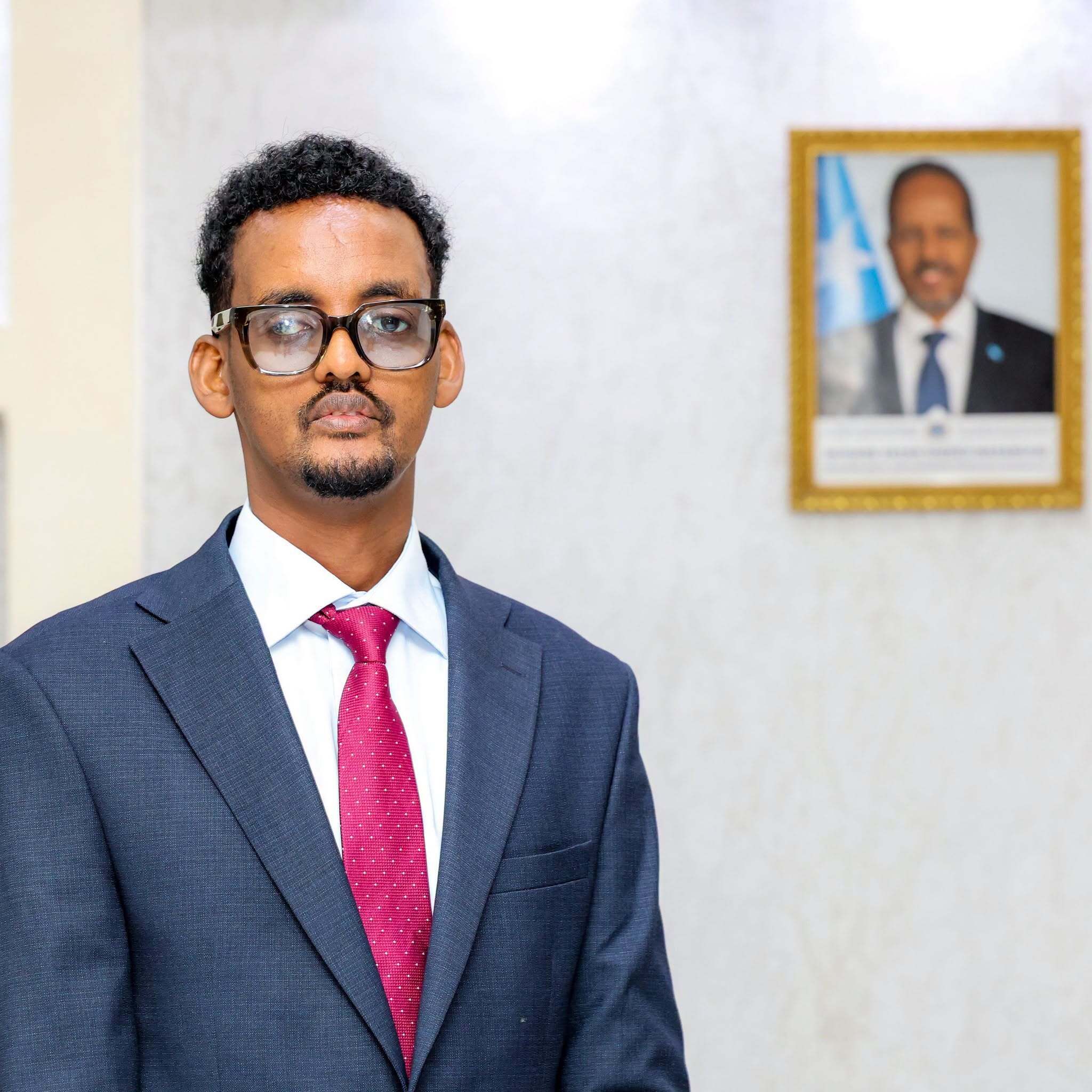
Today, in my role as Director of Communications and Official Spokesperson for the Office of the Prime Minister of the Federal Government of Somalia, I witness this transformation from a different perspective. Across government institutions, reforms are underway, public services are expanding, infrastructure is developing and state institutions are becoming more capable.
Yet many of these developments remain less visible internationally than the challenges Somalia continues to overcome.
This is not simply a communications challenge. It is a governance challenge.
Communication as a pillar of state-building
In modern governance, public policy does not end when a government approves a decision or a ministry implements a programme. Citizens must understand what is being done and why. Investors need confidence in institutions. Development partners need visibility on progress. International audiences need access to accurate information.
Without effective communication, even meaningful reforms risk remaining unseen, reducing their ability to build public confidence and international credibility.
For countries emerging from decades of conflict, strategic government communication is not an optional function. It is part of the foundation of state building.
A state is not strengthened only through laws, institutions, roads or public services. It is strengthened when citizens trust those institutions and understand their purpose.
Somalia has increasingly recognized this reality.
Building a coordinated government communication system
Over the past two years, the Office of the Prime Minister has worked to strengthen coordination and professionalism across government communications.
Regular coordination platforms now bring together communications directors from ministries and key public institutions. These mechanisms allow government institutions to align messages on national priorities, coordinate public information efforts and communicate more consistently during major national initiatives and moments of public importance.
While these reforms may appear administrative, their impact is significant.
Today, almost every ministry and major public institution has a dedicated communications function supported by professionals producing multimedia content, managing official digital platforms and improving public access to government information.
Citizens, journalists, researchers, investors and development partners can increasingly access information directly from official sources rather than depending solely on secondary reporting.
This transformation represents an important step toward greater transparency and institutional accountability.
Professionalizing government communication
The evolution of government communication in Somalia is also changing perceptions of public service itself.
Communication is no longer viewed simply as a tool for publicity. It is becoming recognised as a strategic function of governance one that supports accountability, public engagement and effective policy implementation.
Increasingly, experienced journalists, communication specialists and public relations professionals are bringing their expertise into government institutions because they recognise that communication can contribute directly to national development.
However, building effective systems requires more than structures. It requires skilled professionals equipped to operate in a rapidly changing information environment.
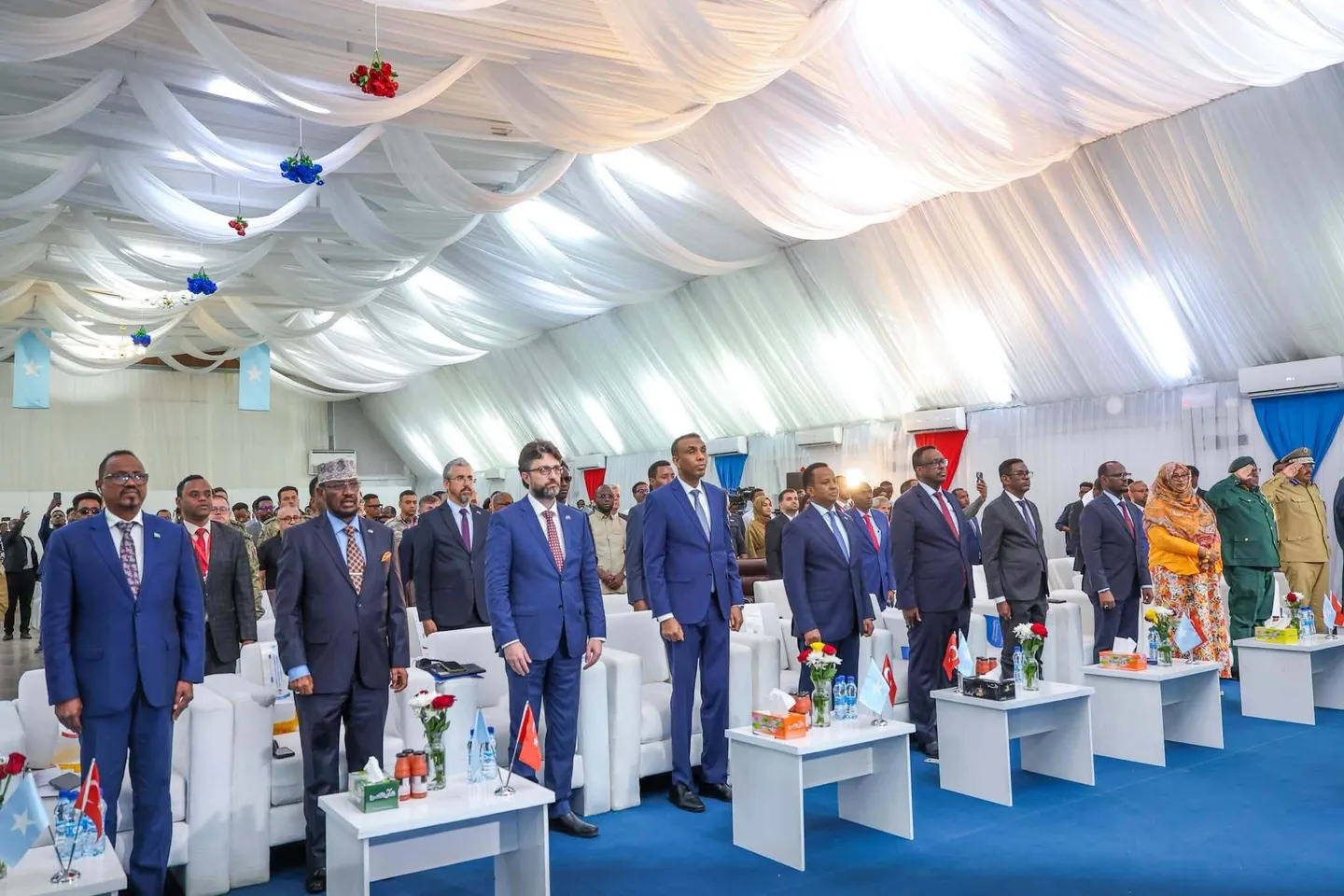
Recognising this need, the Office of the Prime Minister recently organised a week-long Government Strategic Communications Capacity Building Programme in Nairobi through the UNDP-supported Transformational Governance Project (TGP).






The programme brought together communications professionals from across government institutions for practical training in strategic communication, executive messaging, media relations, stakeholder engagement, crisis communication and digital communication.
Participants worked through real-world scenarios, developed communication strategies around national priorities, conducted simulated press briefings and responded to crisis situations under time pressure.
The objective was clear: to strengthen professionalism and ensure that government institutions communicate with greater clarity, consistency and credibility.
Trust in the age of information disruption
The importance of communication is most visible during moments of uncertainty.
Today's information environment moves faster than ever. When institutions fail to communicate quickly and clearly, information gaps emerge. Those gaps can be filled by misinformation, disinformation and speculation, weakening public confidence.
Governments that invest in communication capacity are better prepared to respond to crises, provide accurate information and protect institutional credibility.
For Somalia, this issue carries particular importance.
After decades of conflict, rebuilding trust between citizens and public institutions remains central to the country’s long-term stability. Strategic communication is therefore not about promoting government for its own sake. It is about ensuring citizens have access to reliable information, encouraging informed public dialogue and strengthening the relationship between institutions and society.
International partnerships and lessons from Türkiye
Somalia’s again state-building journey has always depended on international partnerships. Support from partners has contributed to progress across areas including infrastructure, security, education, healthcare, economic development and institutional reform.
Strategic communication is another area where international cooperation can create lasting value.
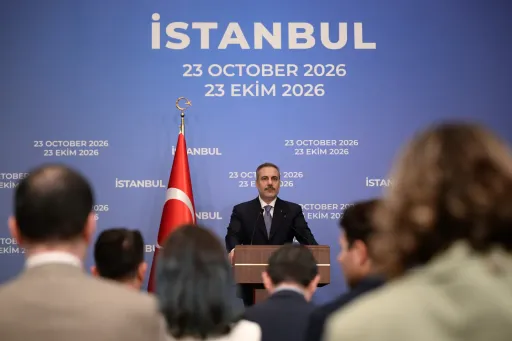
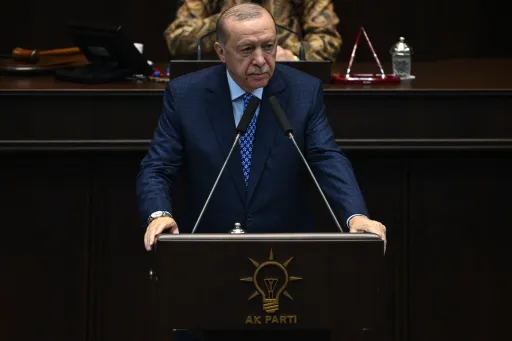
Türkiye’s partnership with Somalia has been built on years of solidarity and practical cooperation across humanitarian assistance, infrastructure, education, healthcare and institutional development.
Since Türkiye’s renewed engagement with Somalia in 2011, Turkish institutions have supported Somalia’s recovery and capacity-building efforts, including cooperation in the media and communication sector.
Through institutions such as the Turkish Cooperation and Coordination Agency (TİKA) and Türkiye’s public broadcaster TRT, Somali journalists and media professionals have benefited from training programmes focused on journalism, radio broadcasting, news production and addressing challenges such as disinformation.
These initiatives reflect the broader partnership between the two countries, based on knowledge sharing, institutional strengthening and mutual learning. Beyond its contributions to Somalia’s development, Türkiye has developed internationally recognised institutions in media, public diplomacy and strategic communication.
As Somalia continues strengthening its own communications architecture, cooperation with Turkish counterparts provides valuable opportunities for knowledge exchange, professional development and institutional learning.
In an era where information has become a strategic domain alongside diplomacy, security and economics, countries must be able not only to govern effectively but also to communicate effectively.
Rebuilding trust through communication
Somalia’s experience offers a broader lesson for countries emerging from conflict: rebuilding a state is not only about creating institutions. It is also about creating confidence in those institutions.
Citizens judge governments not only by what they achieve, but also by how openly and consistently they communicate those achievements.
Strategic communication is therefore not an accessory to governance. It is part of governance itself.
As Somalia continues its journey toward stronger institutions and sustainable development, communication will remain essential in connecting government action with public understanding and transforming progress on the ground into trust in the eyes of citizens and the world.
Disclaimer: The views expressed by the author do not necessarily reflect the opinions, viewpoints and editorial policies of TRT Afrika.