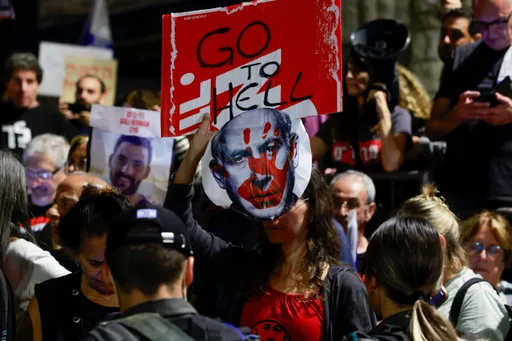
For the past year, the world has watched a new kind of African revolution unfold not on battlefields, but on social media and the streets of our capitals.
In Nairobi, young Kenyans stormed Parliament to reject the Finance Bill 2024. In Abuja, youth surged against the cost of living. In Kampala, activists rallied against corruption. In Mozambique and Madagascar, youth have taken to the tarmacs.
To the casual observer, these appear desperate. But a single thread binds them: tax, and the total lack of accountability surrounding it. If you are a young African, this is the most important issue determining your future.
We were taught taxation builds roads and schools. But what happens when that contribution disappears into opaque loans and unaccounted expenditure?
Let us be clear: Debt is not inherently bad. Countries borrow to build. The loans taken in the 2000s and 2010s were ostensibly for railways and power plants. But here is the question youth are asking with fury: Where are the services and infrastructure that were supposed to be built?
Consider Mozambique. Between 2013 and 2014, a clique of government officials secretly took on more than $2 billion in debt equivalent to 12 percent of GDP from Credit Suisse and other banks, allegedly for tuna fishing and coastal surveillance projects. Some $1.3 billion was hidden until international media exposed it in 2016.
The World Bank documented the fallout: growth halved from 7.7 percent to 3.3 percent, the currency crashed, inflation surged to 17.4 percent, and external debt ballooned from 61 percent of GDP to 104 percent. Mozambique was pushed into default.
Today, 73 percent of tax revenue goes to government wages, another 20 percent to debt servicing, leaving just 7 percent for development. The people are paying for loans that built nothing they can see. In Kenya, the public asks: where is the tangible development from a decade of borrowing while we are now asked to pay more VAT on bread?
This is the crux of the youth uprising. We understand loans must be repaid. But we refuse to repay loans for bridges that collapsed, for roads that ended nowhere, for funds simply stolen.
Furthermore, the taxes imposed are brutally regressive. They hit the poorest hardest. When a government scraps taxes on high-income earners but slaps VAT on essential goods and data, the oxygen of our digital activism, it is a declaration of war on youth.
In Nigeria, entrepreneurs face a system that the youth activists condemned as a "fiscal extraction regime" that stifles youth-led enterprises. In Uganda, activists have protested naked to draw attention to the link between taxes and corruption, arguing that "without exorbitant taxes, they would have nothing to steal".






We care about tax because we are the majority. 70% of the African population is under 30, yet only three million formal jobs are created each year for the 10 million young Africans entering the workforce.
We are the majority taxpayers. Yet we have the least access to the services our taxes fund. We are paying into a system failing to account for its past and failing to invest in our future.
The challenge before us is not merely to protest but to deconstruct and reconstruct. We have proven that we can shut down cities and trend on social media. The harder task is sustaining that energy to build systems that outlast any single government.
First, we must institutionalize accountability. The rejection of Kenya's Finance Bill 2024 was a victory, but temporary. Without permanent mechanisms such as a public digital registry of all loans and the projects they funded, the next government will simply reintroduce the same taxes.
We need independent debt audit commissions, following precedents such as Ecuador’s debt audit, with the power to investigate and repudiate odious debt incurred without public benefit.
Second, we must demand budget transparency before new taxes are proposed. Nigerians should not have to protest after subsidy removal to ask where savings went. Budgets must be published in accessible formats before passage.
Third, we must push for genuinely progressive taxation. Current systems place the heaviest burden on those least able to bear it. If governments need revenue, they should look to those who benefited most from past borrowing: large corporations, extractive industries, and high-net-worth individuals who have paid far too little for far too long.
The author, Jon Kafuko, is a programs manager, Youth for Tax Justice Network.