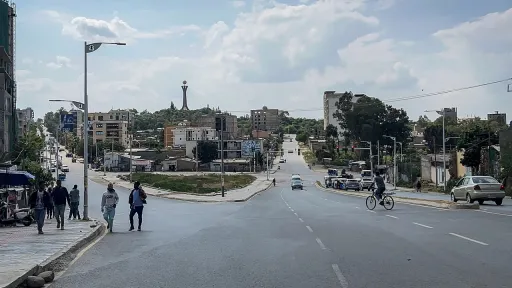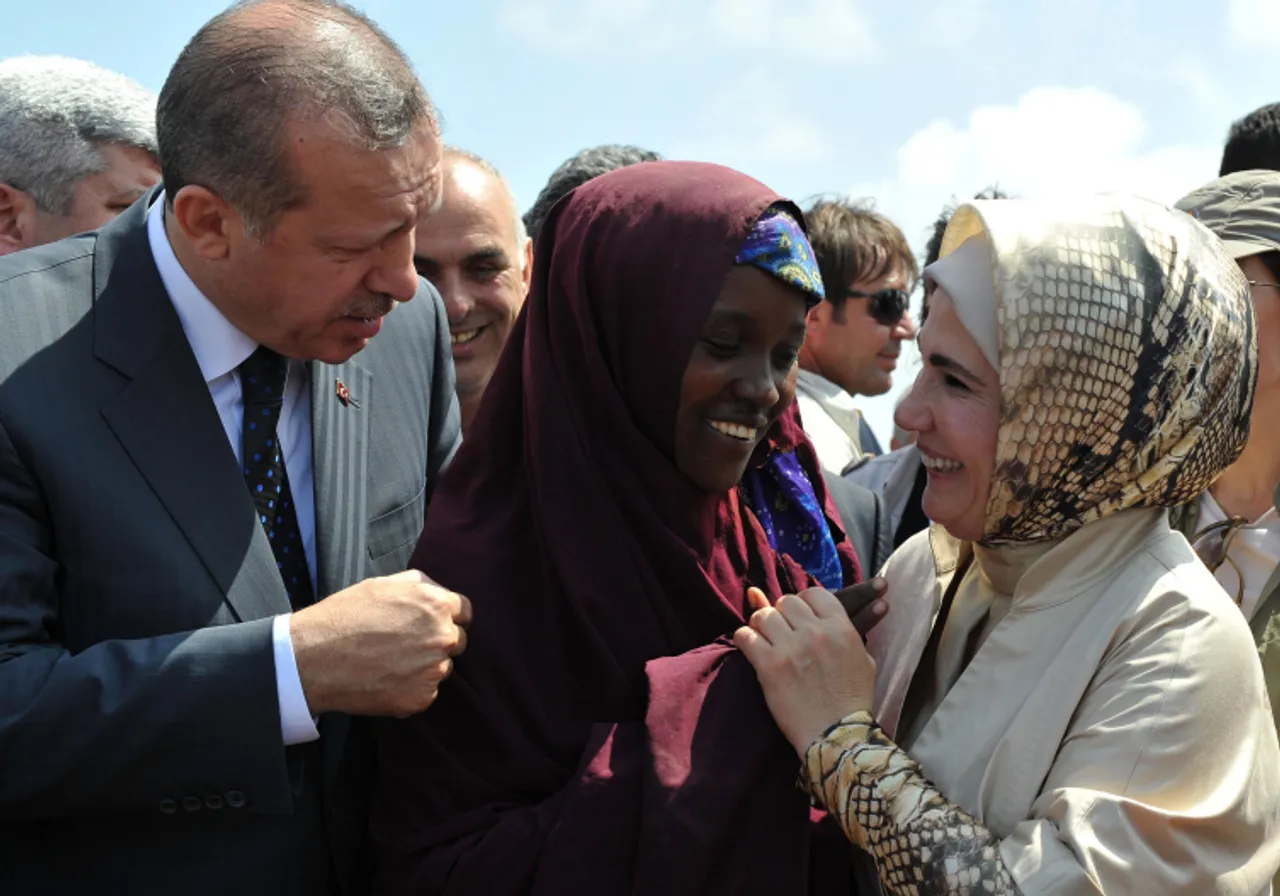
Fifteen years ago, on August 19, 2011, the then-Turkish Prime Minister and current president Recep Tayyip Erdoğan landed in Mogadishu at a moment when Somalia was confronting one of the worst humanitarian crises in its modern history.
Famine had devastated communities across the country, Al-Shabab terrorist organization still controlled significant territory and much of the international community viewed Somalia primarily through the lenses of humanitarian catastrophe, terrorism and state fragility.
Erdoğan's visit was risky, politically significant and, above all, unusual. It was not simply another diplomatic trip to a capital at the centre of a crisis.
It was one of the first high-level international visits to Mogadishu in many years and came at a time when travelling there carried genuine security concerns. Media outlets described it at the time as the first visit by a leader from outside Africa to Somalia in nearly two decades.
Fifteen years later, the significance of that moment can be assessed without romanticising it.
The visit did not create Türkiye-Somalia relations. The two countries are marking 60 years of diplomatic relations in 2026, and their historical connections extend considerably further back.
Türkiye's embassy in Mogadishu was establishfed in 1979, closed following the collapse of the Somali state in 1991 and reopened in November 2011. Türkiye had also begun deepening its broader African engagement before Erdoğan's visit, including through its Opening up to Africa policy launched in 1998.
What the Mogadishu visit did was different: it changed the trajectory, scale and political meaning of the relationship. It transformed a long-standing bilateral relationship into one of Türkiye's most comprehensive engagements on the African continent.
From presence to engagement
The importance of the 2011 visit was not simply what Erdoğan said in Mogadishu, but the political signal contained in his physical presence.
At a time when Somalia was frequently discussed from conference rooms far from the country itself, Ankara chose to engage on the ground.
The visit helped draw international attention to the famine and demonstrated that Somalia could be approached not only as a humanitarian emergency but also as a political society whose institutions, economy and future required sustained engagement. The distinction matters.
Humanitarian diplomacy often begins with responding to immediate suffering. Strategic engagement begins when the relationship continues after the cameras leave. Türkiye's engagement did.
Following the visit, TİKA, the Turkish Red Crescent and Turkish nongovernmental organizations expanded their activities across Somalia.
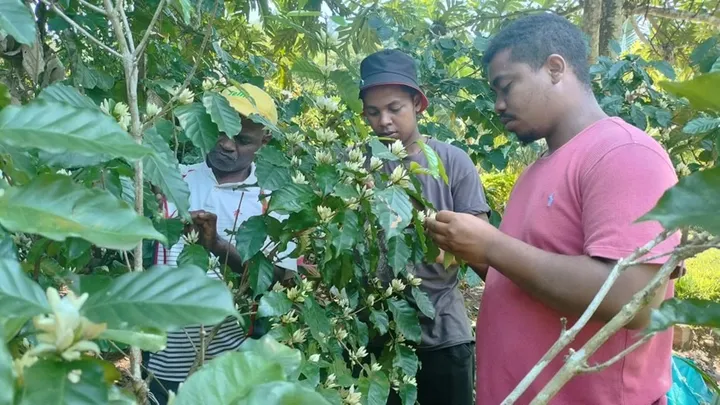
TİKA established its Mogadishu programme coordination office in 2011 and subsequently implemented projects in health, education, agriculture, infrastructure, administrative capacity and humanitarian assistance. Turkish official figures indicate that assistance to Somalia since 2011 has exceeded $1 billion.
The significance of these activities is therefore not simply their monetary value. It is the gradual shift from emergency assistance to institutional engagement.
Hospitals, schools, roads and other infrastructure are visible manifestations of this process. But institutions matter more than individual projects because they determine whether external assistance creates capabilities that can survive beyond the assistance itself. This is where the trajectory becomes particularly interesting.
From projects to people
The most consequential legacy of development cooperation is not always a building that can be photographed or a project whose inauguration can be celebrated. Sometimes it is a person.
Over the past fifteen years, Türkiye's engagement with Somalia has included not only humanitarian and infrastructure projects but also scholarships, higher education, professional exchanges, diplomatic training and security-sector capacity building.
The result is a generation of Somalis whose professional experiences have been shaped partly by exposure to Turkish institutions. One of the clearest examples is Abdulkadir Mohamed Nur.
Nur was studying international relations at Ankara University's Faculty of Political Sciences during the period when Türkiye's engagement with Somalia was expanding. He subsequently worked at the Somali Embassy in Ankara and returned to Somalia to take charge of a succession of senior positions, including minister of justice, minister of defense and minister of ports and maritime transport.
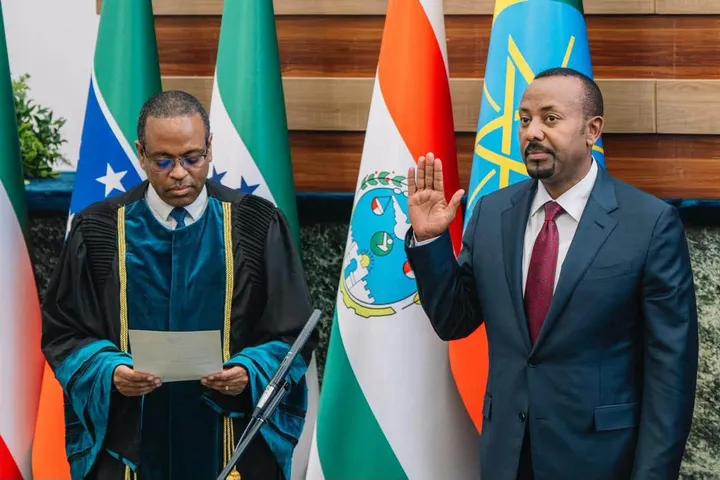
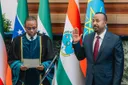
On August 10, 2026, he was elected Speaker of Somalia's Federal Parliament, receiving 142 votes. The office is constitutionally considered the country's second-most powerful political position after the presidency.
His trajectory should not be interpreted as evidence that Türkiye "created" a Somali political leader. That would oversimplify both his career and the bilateral relationship. It illustrates something more important.
Human capital can become a long-term foreign-policy outcome.
A student educated abroad can become a diplomat. A diplomat can become a policymaker. A policymaker can become a minister. And eventually, that individual can take charge of one of the highest constitutional offices in the country.
The physical projects of development cooperation are therefore only one part of the story. The less visible investment in education, professional networks and institutional exposure may prove equally consequential over time. This is perhaps one of the clearest ways to understand the difference between short-term aid and long-term engagement.
From engagement to strategic partnership
The relationship has also moved far beyond the humanitarian logic that initially brought global attention to Mogadishu.
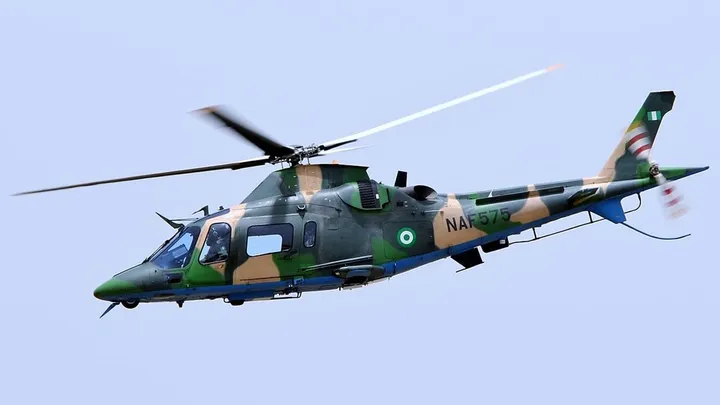
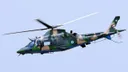
Türkiye became involved in Somalia's security-sector development, most visibly through the establishment of the TURKSOM military training centre in 2017. Turkish and Somali institutions have subsequently expanded cooperation in defence, military training and maritime security. In February 2024, the two countries signed a Defence and Economic Cooperation Framework Agreement, marking a significant expansion of bilateral cooperation into defence, maritime security and economic affairs.
The evolution is perhaps best captured by the changing vocabulary of the relationship.
In 2011, the dominant language was humanitarian assistance. Then came development and reconstruction. Later, the emphasis expanded to capacity-building and security cooperation. Today, the relationship increasingly involves defence, maritime affairs, energy, trade, diplomacy and regional security.
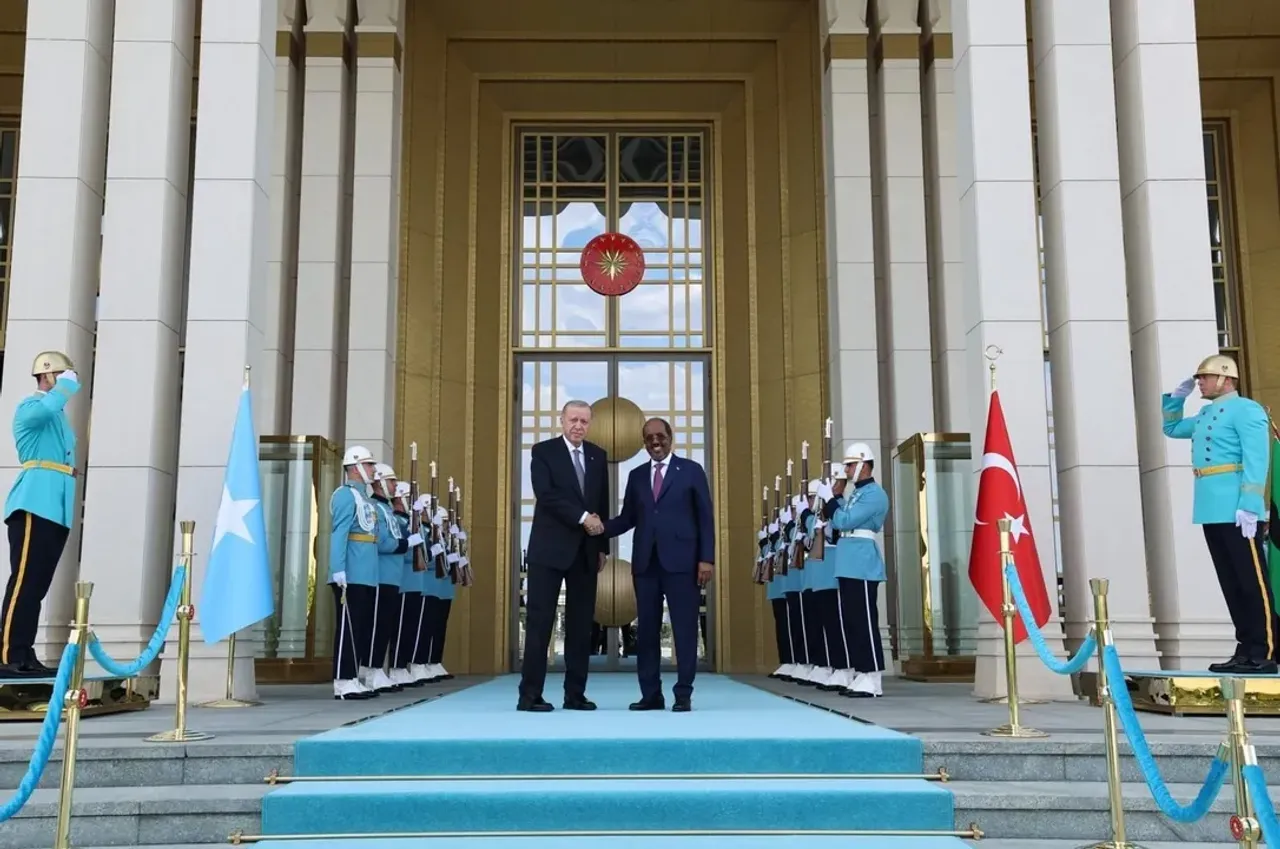
Somalia as a Pioneer in Türkiye's Africa policy
The Somali case also matters beyond the bilateral relationship. Türkiye's Africa policy did not begin in Mogadishu. The Africa Initiative preceded Erdoğan's visit, and Ankara had already been expanding its diplomatic and economic presence across the continent. Yet Somalia became one of the clearest environments in which that broader policy was translated into sustained engagement on the ground.
In that sense, Somalia can be understood as a laboratory for a distinctive form of Turkish engagement in Africa: combining diplomacy, humanitarian assistance, development cooperation, education, commerce, security cooperation and political engagement rather than treating these as separate foreign-policy instruments.
The results are visible in Türkiye's wider continental footprint. Turkish official figures cited in 2026 indicate that the number of Turkish embassies in Africa increased from 12 in 2005 to 44, while bilateral trade with the continent expanded substantially.
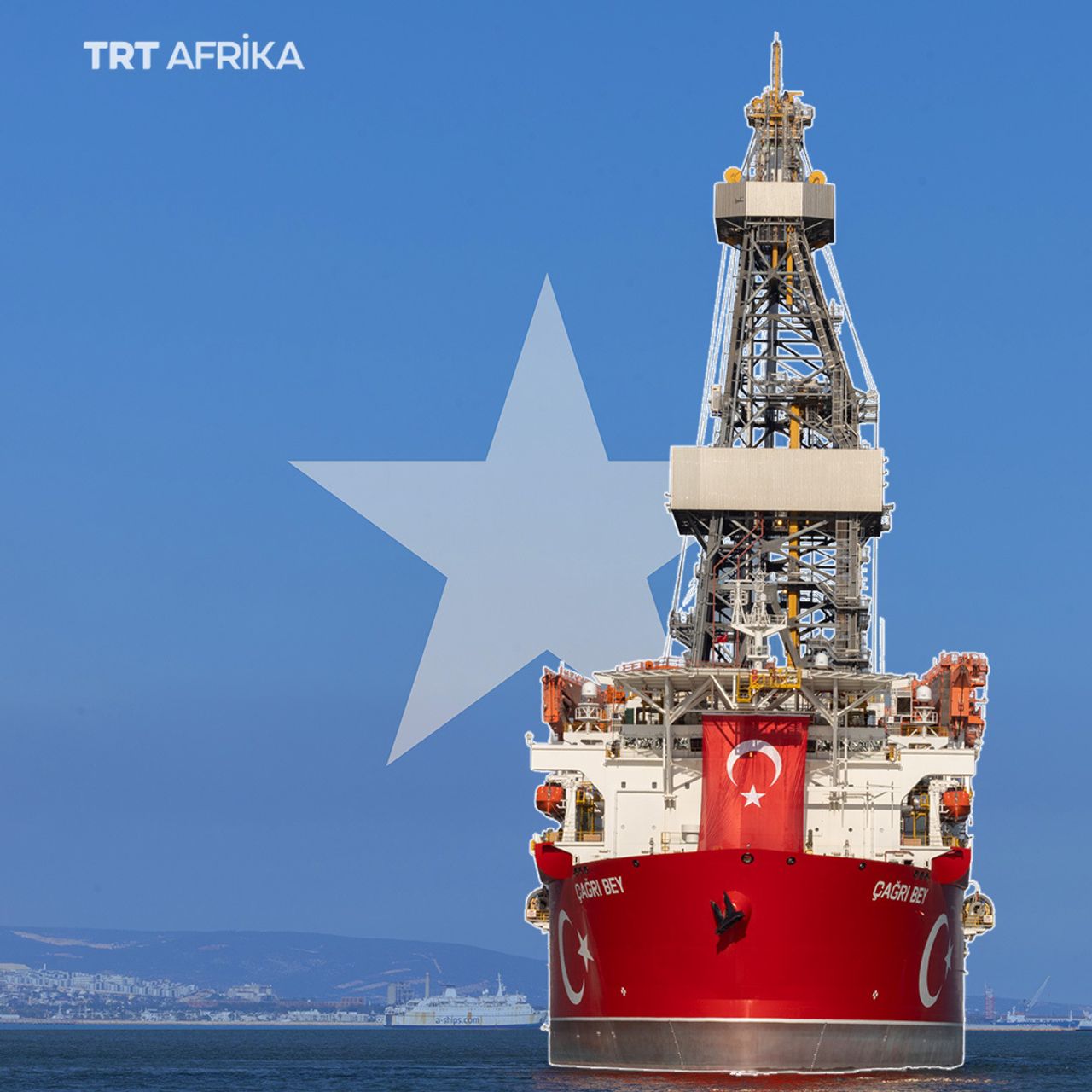
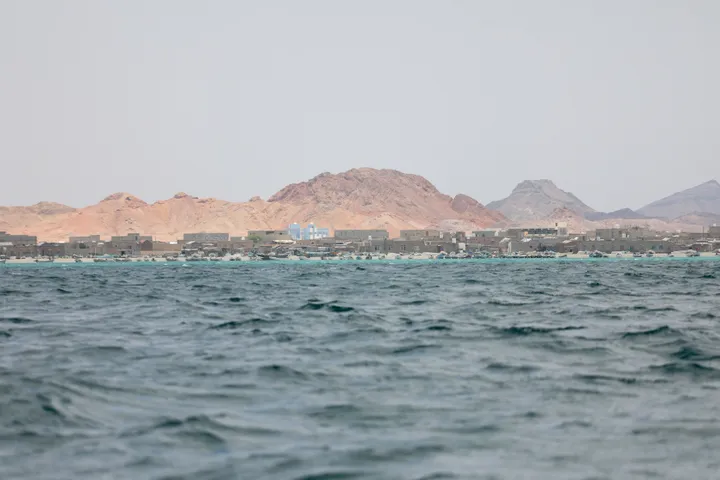
But Somalia remains distinctive because the relationship has developed simultaneously across so many sectors. That does not mean Türkiye's engagement is free of strategic interests. It would be analytically naïve to describe Ankara's policy solely as humanitarianism. Türkiye has economic, maritime, security and geopolitical interests in the Horn of Africa, just as Somalia has interests in maintaining a diversified network of international partnerships.
The durability of the relationship may instead be explained by the convergence of interests. Somalia needs partners capable of contributing to institution-building, security and economic development.
Türkiye seeks a deeper role in a strategically important region linking Africa, the Middle East and the Indian Ocean. The relationship has therefore evolved not because either side acts without self-interest, but because their interests increasingly intersect.
What the Mogadishu moment actually changed
Fifteen years after the visit, the most useful question is not whether Erdoğan's trip should be remembered as historic. It clearly was. The more important question is why its effects lasted. The answer lies in what followed. A visit became a diplomatic presence.
Diplomatic presence became sustained humanitarian and development engagement.
Projects became institutions.
Institutions created opportunities for human-capital development.
Human capital entered the Somali state.
And cooperation across multiple sectors eventually became a strategic partnership.
In other words; Presence became engagement; engagement became institution-building; institution-building produced human capital; and human capital helped deepen partnership.
This is why the legacy of August 19, 2011 cannot be measured only by what happened that day. The real test of foreign assistance is what remains after the initial crisis has passed.
A road can be built and deteriorate. A hospital can be inaugurated and later struggle. A training programme can end. But people carry knowledge, networks and institutional experience into the future.
The rise of individuals such as Abdulkadir Mohamed Nur illustrates this longer-term dimension of Türkiye's engagement. His journey from studying international relations in Ankara to serving across Somalia's diplomatic, security and ministerial institutions and ultimately becoming Speaker of the Federal Parliament is not the story of one country producing another country's leaders.
It is an example of how human-capital investments can intersect with national institution-building in ways that become visible only years later.
The next fifteen years
The success of the Türkiye-Somalia relationship should therefore not be measured by how many projects have been completed or how many agreements have been signed.
The more difficult question is whether the partnership can increasingly produce Somali-owned capacity and mutually beneficial economic relations.
That means moving beyond a donor-recipient framework toward deeper cooperation in trade, investment, energy, maritime resources, technology, education and joint production. It also means ensuring that security cooperation strengthens Somali institutions rather than creating permanent dependence.
The relationship has already demonstrated that a crisis can become an opening for long-term engagement. The next challenge is proving that strategic partnership can become a platform for sustainable Somali capacity.
Fifteen years ago, Erdoğan's arrival in Mogadishu was remarkable because of where he went when others stayed away. Today, the significance of that moment lies less in the visit itself than in the trajectory that followed.
Türkiye and Somalia are not celebrating fifteen years of relations. They are marking fifteen years since an old relationship entered a new phase—and sixty years since the diplomatic relationship itself began. That distinction makes sense.
The lesson of the Mogadishu moment is not that one visit transformed a country. It is that political presence can create an opening, but only sustained institutions, people and shared interests can turn that opening into a lasting partnership.
The next fifteen years will determine whether the partnership can make that transition from a remarkable foreign-policy story into an enduring model of reciprocal strategic engagement.
The author, Abdirahim Mohamed Hassan, is a Somali researcher and writer focusing on Türkiye–Africa relations, security, diplomacy and African affairs.
Disclaimer: The views expressed by the author do not necessarily reflect the opinions, viewpoints and editorial policies of TRT Afrika.