In a busy fresh-produce packaging facility in northern Harare, about 30 women in green dust coats and matching caps grade sugar snap peas destined for dinner tables in Europe.
The mood in the facility is cheerful, but the fresh produce export season has got off to a challenging start for these farmers after a rise in freight costs due to the Iran war.
The war broke out just as Kuminda, a company that aggregates produce from about 5,000 small-scale farmers, was readying its first sugar snap peas and mange tout exports for the year.
Exporters now have to absorb the rising costs or risk derailing a recovery in Zimbabwe's horticulture sector, which set export records last year after decades of rebuilding following land seizures in the early 2000s under former President Robert Mugabe.
Rise in fuel costs
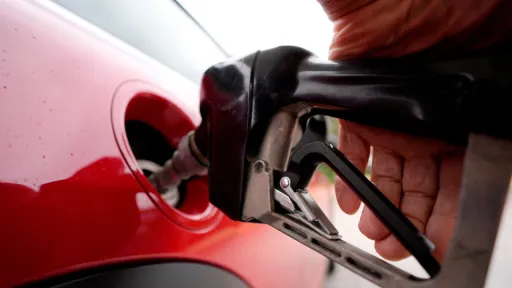
Kuminda is paying $3.80 per kg to export to European markets this year, up from $2 to $2.20 last year, because of a rise in fuel costs.
"To get products to London and Amsterdam is more expensive this year," Kuminda CEO Clarence Mwale told Reuters, adding that flight disruptions to the United Arab Emirates had also affected shipments to that market.
Zimbabwe is a major supplier of sugar snap peas to European markets. It accounts for 60% of the United Kingdom's imports of the vegetable, according to the British embassy in Harare. Exports typically peak during the UK off-season between April and October.
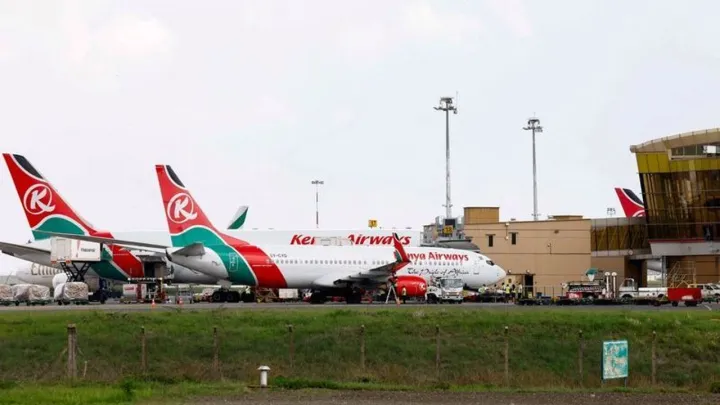






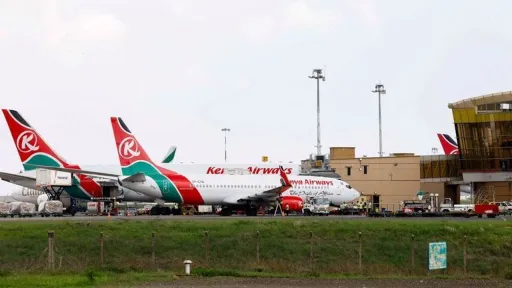
Mwale said the cost surge had worsened Zimbabwe's ability to compete with rivals such as Egypt, Kenya and South America in horticulture export markets.
Competitors have 'more flight options'
"They have more flight options. Their freight costs are not nearly what we are paying at the moment," Mwale said, adding that exporters were using sea freight, which takes an average of 30 days, to complement air cargo.
Zimbabwe's horticulture industry is recovering from a period of devastation following the government-led seizures of white-owned farms during the Mugabe era.
Horticulture exports reached a record $181.7 million in 2025, mostly driven by blueberry shipments, surpassing the previous peak of $140 million in 1999, just before the farm seizures, according to trade agency ZimTrade.
Mugabe's successor, President Emmerson Mnangagwa, is championing the revival of agriculture and has sought to improve relations with white farmers.
Horticulture agency urges governmental support
The Horticultural Development Council (HDC) urged the government to offer support to farmers facing rising costs.