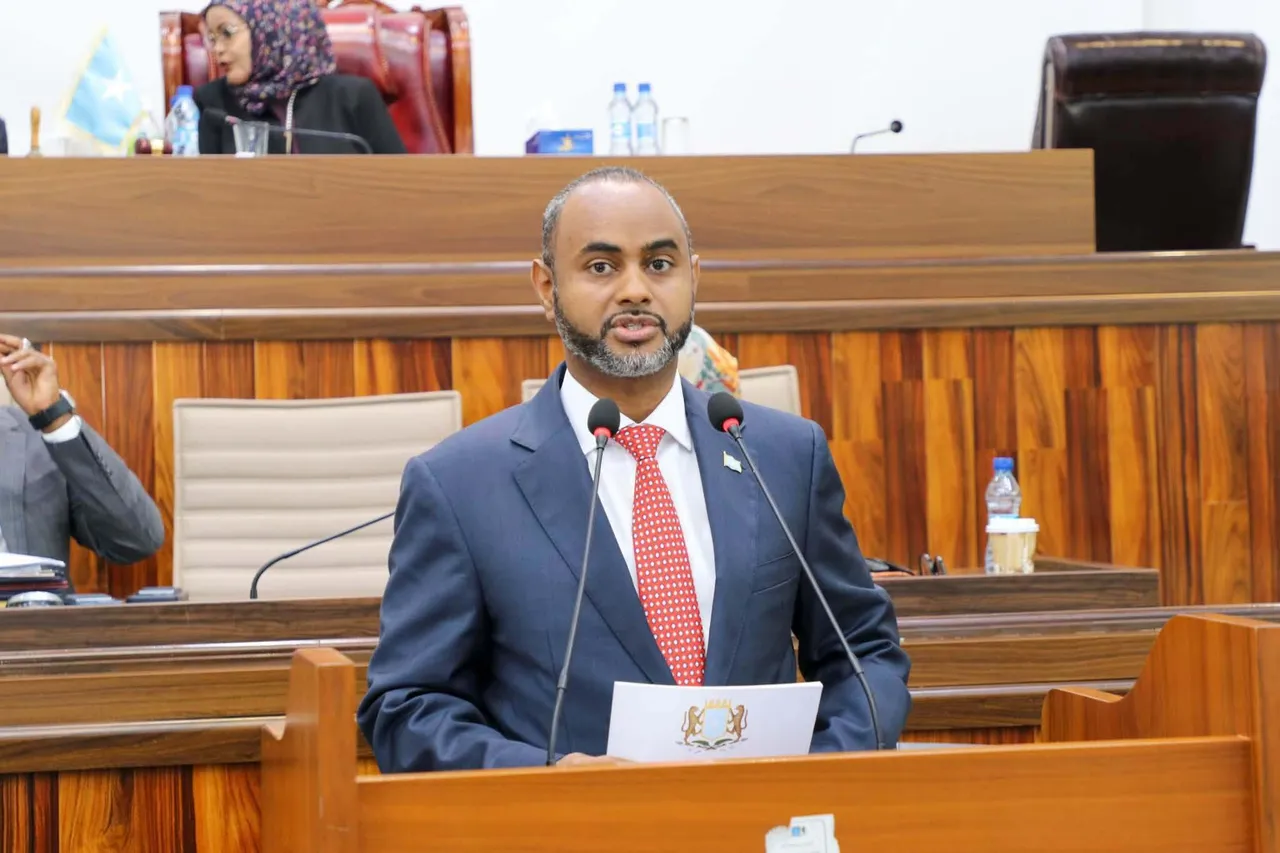
From soldier and presidential security officer to diplomat, intelligence chief, cabinet minister and now Somalia’s youngest Speaker of Parliament, Abdulkadir Mohamed Nur Jama has built an unusually broad career across the institutions of the Somali state.
At 40, his rise also reflects a new generation of Somali political leadership shaped by state reconstruction, security challenges, international partnerships and the digital age.
When Jama took his seat as Speaker of the House of the People on August 12, 2026, he became the youngest person to hold the powerful parliamentary position in Somalia’s modern history.
He had won the speakership two days earlier with 142 votes in the 275-member lower house, defeating Abdulkadir Omar Maalim, who received 30 votes.
It was the latest milestone in a career spanning military service, diplomacy, intelligence, parliament and government.
According to Tunç Demirtaş, a researcher specialising in Horn of Africa politics, Jama’s move to Parliament could bring valuable executive experience to a legislature increasingly tasked with scrutinising and ratifying complex agreements.
“He is bringing executive experience into a parliament that must ratify increasingly technical agreements on defence, maritime affairs and energy,” Demirtaş told TRT Afrika.
“Whether this becomes a durable framework will depend on building stronger channels through committee-level technical cooperation, friendship groups and legislative coordination, particularly as Somalia approaches the 2027 electoral cycle.”
From soldier to diplomat
Born in Baidoa on October 21, 1985, Jama entered Somalia’s armed forces at a young age, eventually rising to the rank of brigadier general.
He later served in senior security roles at Villa Somalia, including presidential protection, giving him early experience at the centre of government.
But his career soon took him beyond Somalia. In 2009, Jama joined Somalia’s embassy in Ankara, where he progressed through diplomatic positions before serving as chargé d’affaires.
Türkiye also became his academic home. He studied International Relations at Ankara University and graduated in 2016.
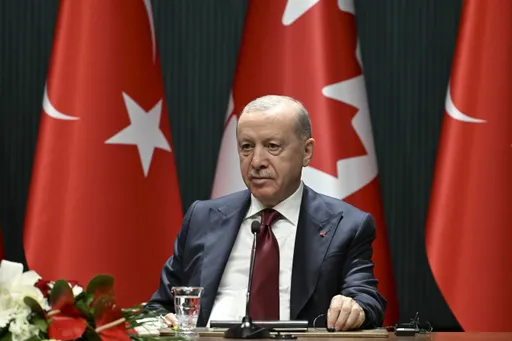
His fluency in Turkish and Somali brought him into close contact with senior officials. During Turkish President Recep Tayyip Erdoğan’s visits to Somalia in 2015 and 2016, Jama helped facilitate communication between Turkish and Somali officials.
Years later, he would return to Ankara not as an interpreter, but as Somalia’s Defence Minister, helping shape a strategic partnership between the two countries.
From intelligence to defence
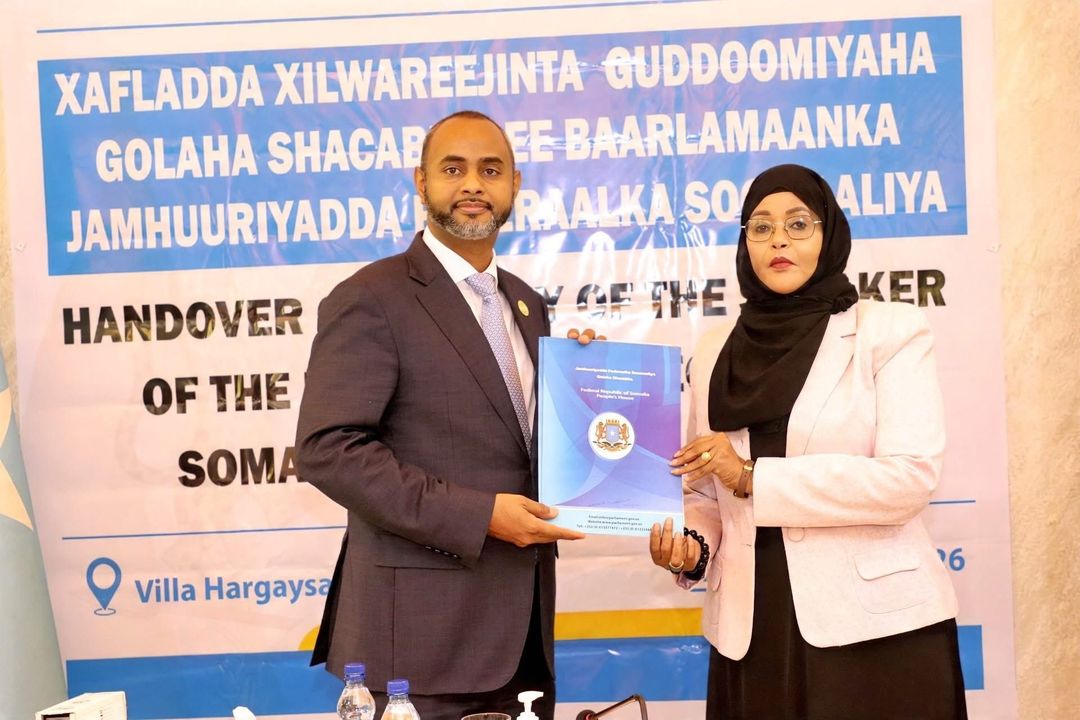
In 2017, Jama returned to Somalia and was appointed deputy director of the National Intelligence and Security Agency, later serving as acting director-general.
A year later, he moved into parliamentary affairs as a senior adviser to the Speaker of the House of the People—the institution he would eventually lead.
In September 2020, he became Justice Minister. In December 2021, he was appointed Defence Minister.
He retained the defence portfolio when Hassan Sheikh Mohamud returned to the presidency in 2022, overseeing a period of major Somali-led military operations against Al Shabab.
Jama frequently travelled to operational areas, meeting troops and commanders and monitoring offensives.
His tenure also focused on military recruitment, training and the advancement of younger officers, as Somalia sought to build a more capable national army.
In February 2024, he signed a major defence and economic cooperation framework with Turkish Defence Minister Yaşar Güler in Ankara, covering defence, maritime security and economic cooperation.
For Jama, the moment brought his career in Türkiye full circle: the young diplomat who once interpreted between Somali and Turkish leaders was now helping negotiate the strategic relationship himself.


From the battlefield to the sea
In March 2025, Jama moved from Defence to the Ministry of Ports and Marine Transport.
The shift from counter-insurgency to maritime infrastructure may have appeared dramatic, but the portfolio remained closely tied to Somalia’s security and economic future.
With one of Africa’s longest coastlines and a strategic position along the Gulf of Aden and western Indian Ocean, Somalia sees its maritime sector as a major source of future investment, trade and resource development.
Jama brought his security and diplomatic experience to that agenda.
In April 2026, while still serving as minister, he was elected to parliament from Baidoa. Four months later, he was Speaker.
The TikTok minister
Away from government offices, Jama has cultivated another, very different political identity.
Known online as “Wasiir TikTok”, or the TikTok Minister, he has built a substantial following by mixing official duties with informal glimpses into his life and travels.
His TikTok account has more than 367,000 followers and 4.6 million likes, while his Facebook page has around 349,000 followers.
That digital reach has helped Jama connect with younger Somalis in spaces where traditional political communication often struggles to reach them.
It is an unusual combination: a politician whose career was forged in the military and intelligence establishment, but who has embraced the informal language of social media.
A new chapter
Jama’s election as Speaker drew praise from Somalia’s political leadership.
President Hassan Sheikh Mohamud described him as a public servant who had worked his way through different levels of government, while Prime Minister Hamza Abdi Barre said his election marked the beginning of a new parliamentary chapter.
But the new Speaker takes charge at a politically sensitive time, with Somalia preparing for another phase of its political transition.
His immediate task will be to lead Parliament through the remainder of its current term while navigating competing political interests and the country’s broader security and state-building challenges.
His links with Türkiye could also give him a role in strengthening parliamentary cooperation around defence, maritime affairs and economic partnerships.
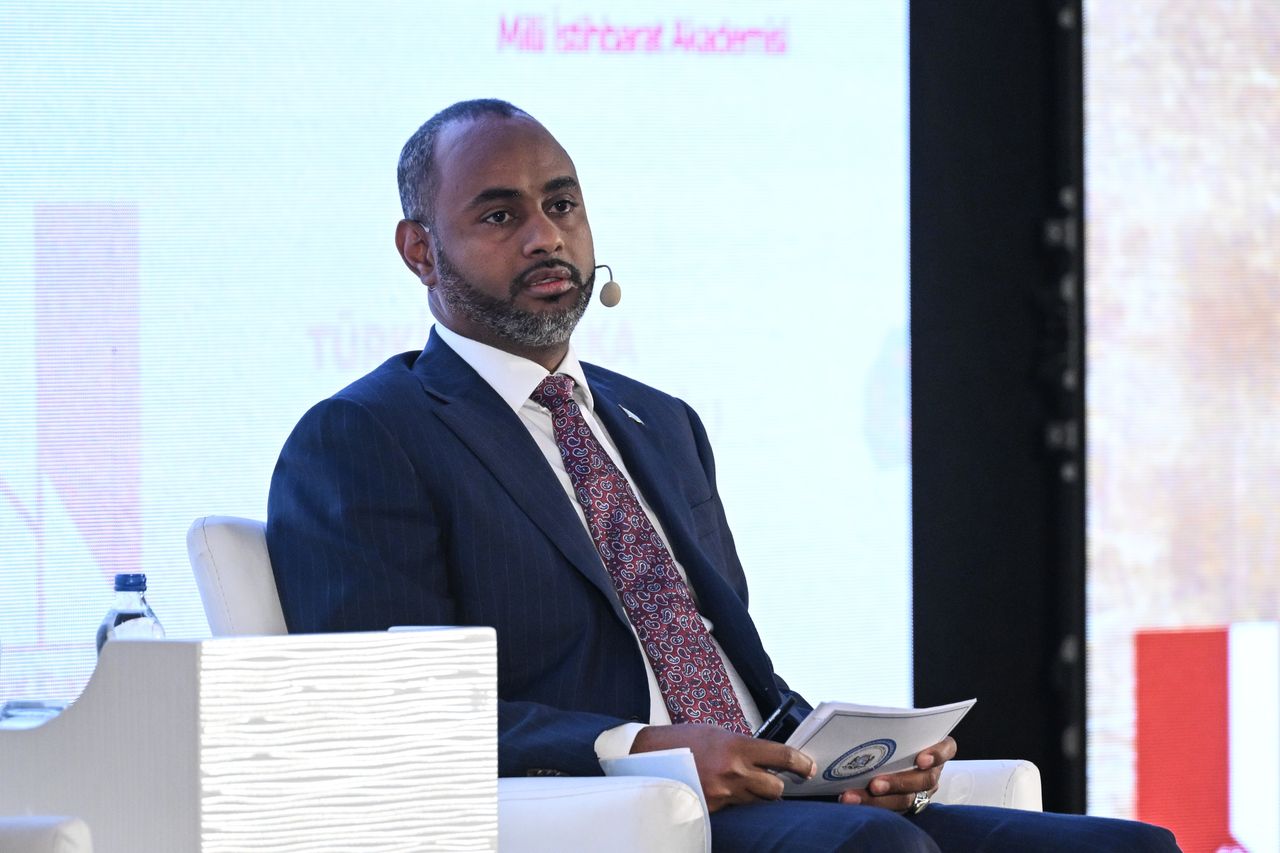
For all the breadth of Jama’s career, his rise ultimately mirrors the story of the Somali state itself.
His professional journey has moved through the institutions Somalia has spent decades rebuilding—from the armed forces and intelligence services to diplomacy, justice, maritime affairs and Parliament.
At 40, Abdulkadir Mohamed Nur Jama is now at the centre of that reconstruction.
Whether the speakership becomes the pinnacle of his career or another step towards a larger national role remains to be seen.
But one thing is clear: Somalia’s youngest Speaker has already travelled an unusually long road—and his most consequential chapter may still lie ahead.