Ethiopia goes to the polls on Monday in an election that the ruling party is predicted to win due to a fragmented opposition.
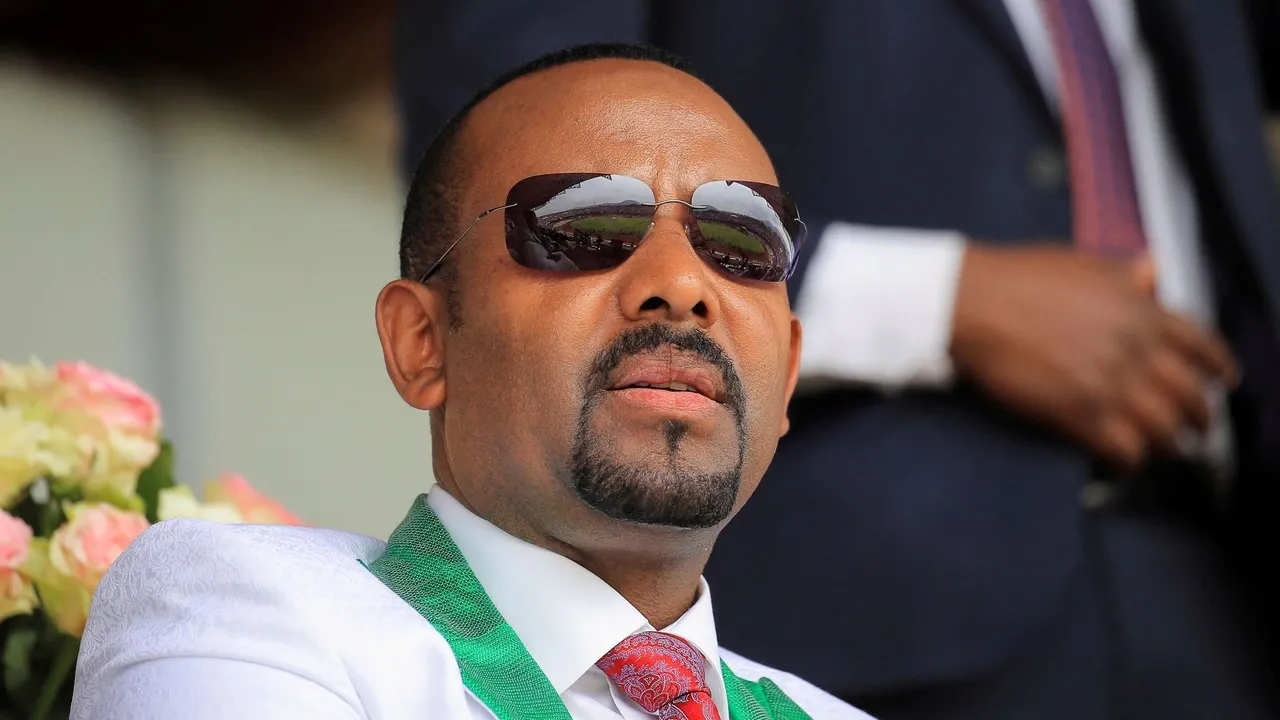
Prime Minister Abiy Ahmed’s Prosperity Party currently holds more than 500 seats in the House of Representatives and is expected to win a majority in this election, securing him another five-year term.
Some 50 million people, out of a population of 130 million Ethiopians, are expected to vote for members of the House of Representatives.
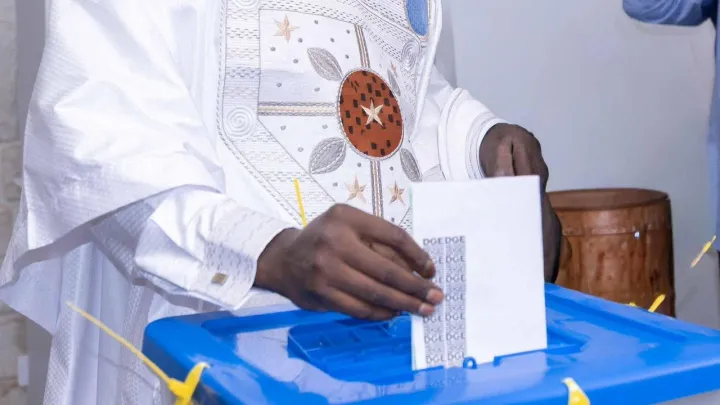
Ethiopia’s electoral system allows voters to select their representatives, who then vote for a prime minister. Ethiopians will also vote for members of their local regional government councils.
Reconciliation
This year’s election themes include national reconciliation due to the fighting seen in regions such as Tigray, Oromia, and Amhara, and there is also a development theme as the government pledges to undertake major projects.
Kenya's former President Uhuru Kenyatta, who helped facilitate the Tigray peace talks, is leading 73 observers from the African Union.
Arriving in Ethiopia on Saturday, Kenyatta emphasised the importance of Ethiopia’s elections for the continent, as the country hosts the African Union headquarters. “Ours is to call for peaceful situation as Ethiopians are known for,” he said.
Tensions
During Abiy’s tenure, Ethiopia has been through the Tigray war in the north of the country, where hundreds of thousands of people died as the federal security forces clashed with the regional forces. A peace deal was signed in November 2022.





Abiy won the Nobel Peace Prize in 2019 for solving a long-standing conflict between Ethiopia and neighbouring Eritrea, though currently there are tensions between the two countries, caused in part by Ethiopia's quest for sea access.
There are fears that the situation could escalate and drag the volatile Tigray region into a proxy war.
The Tigray People’s Liberation Front — the dominant political party in Ethiopia’s far northern region of Tigray — has been outlawed as the party maintains control of the regional government and threatens to cancel the 2022 peace agreement, which the federal government sees as an attempt to trigger another conflict.
Technological advancement
For the second time, the region will not take part in the national election. Tigray has been excluded from federal representation for the last six years.
This election is likely to be fair due to the “technological advancements in the electoral process” and increased public awareness, according to Bayu Samuel, an Addis Ababa-based political analyst.
Eyoel Solomon, a spokesperson for the main opposition Ezema party, said it is dedicated to ending ethnic-based politics.
With much of the campaigning taking place in Addis Ababa, there has been a heavy military presence in the metropolis in recent days.
The vote has dominated local conversation across the city, even though campaigning has been unusually quiet, with fewer rallies and little door-to-door outreach. The electoral body has declared Monday a national holiday, with government offices closed to encourage citizens to vote.