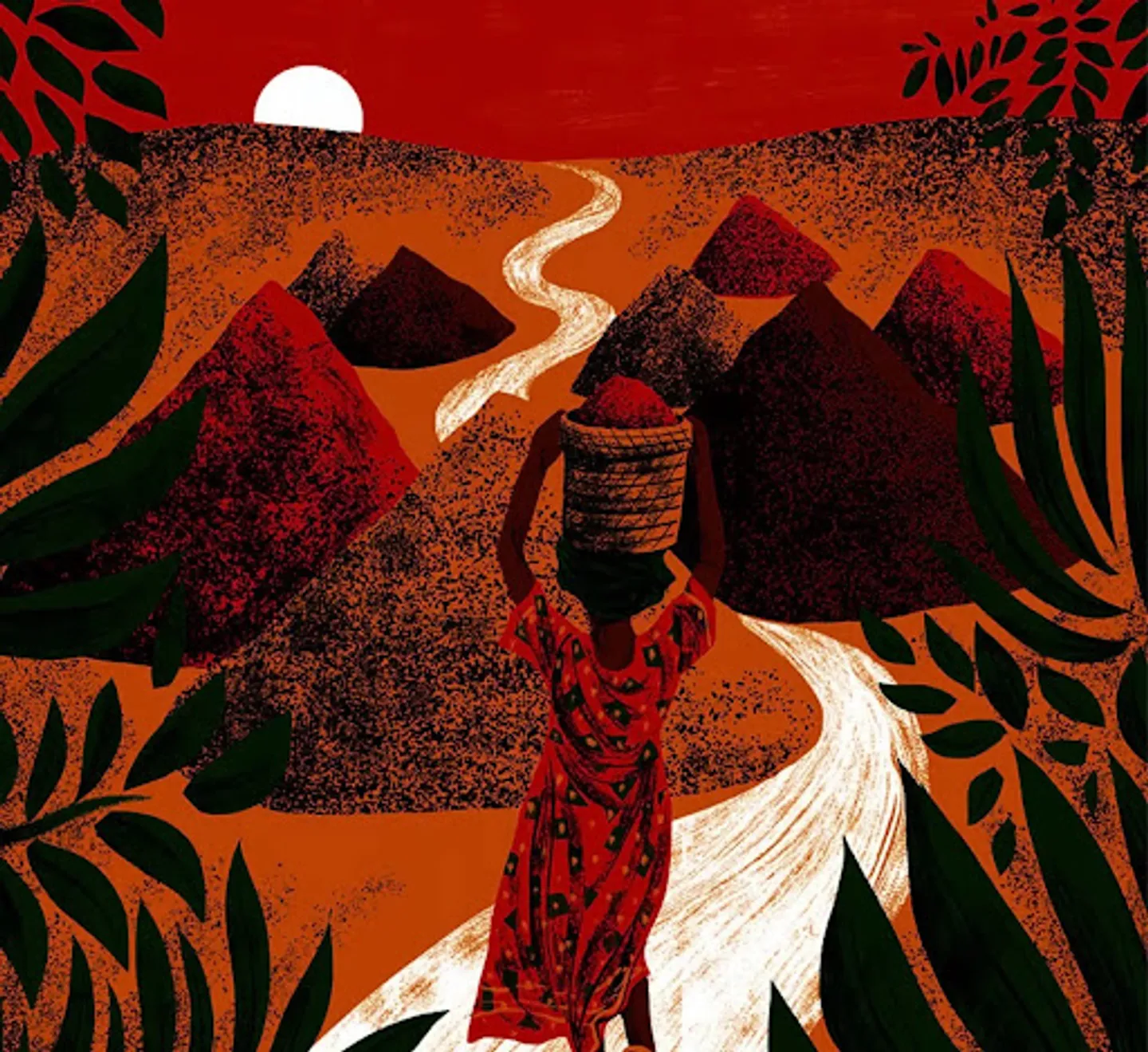
The scent of cloves, cinnamon, and nutmeg wafts through the rooms of Zanzibar’s Spice Route Museum, commemorating its long-honoured moniker as the ‘Spice Island’, due to its role as a centre in the global spice trade, especially during the 18th and 19th centuries.
But this is not just a celebration of the spices long associated with the region. They hold the key to many stories and narratives of slavery, empire, and trade routes connecting East Africa to the Arab world, South Asia, and Europe.
Launched by the Assalam Community Foundation in August 2025, it is considered the first museum of its kind in Africa, combining immersive experiences, storytelling and interactivity.
One of its main highlights is its virtual reality experience that transports you back in time to travel historical trade routes and the global movement of spices.
Local artists were instrumental in shaping the look of the museum, which is covered with murals and sculptures created from recycled materials that reflect the colours, textures and stories of the island’s spices and biodiversity.
But the museum is also on a mission to change the way local communities - including youth- engage with traditional and historical knowledge, which, according to a UNESCO report, is minimal.
A 2022 UNESCO report highlights that less than a fifth of curricula in East Africa include heritage education, which means that younger generations are disconnected from their past.
The museum says that since its launch, hundreds of students aged 9 to 19 have participated in its workshops, experimenting with eco-printing, Kanga design, pottery, soap-making and traditional weaving.
“Our mission is to tell the untold story of Zanzibar - not only through the beauty and power of spices, but through the deep, complex history behind them. This museum is also a forward-looking education centre - a place where children and adults alike explore history, science, geography, ecology, and art in an interactive, interdisciplinary way. By connecting past and present, we aim to inspire curiosity, healing, and critical thinking for generations to come”, the museum explains to TRT Afrika.
Spice streets
The Spice Route Museum is located in the island’s Stone Town, a UNESCO World Heritage site dating back to the medieval era and which boasts narrow alleys, coral stone buildings and distinctive wooden doors.
The spice trade emerged before colonialism, dating back to Arab and Persian traders during the 8th century, as part of the Indian Ocean trade network.
Among the most prominent of the spices traded were cloves, followed by cinnamon, nutmeg, black pepper, turmeric, and vanilla.

The Portuguese Empire was the first European power to take control of Stone Town during the early 16th century. The Old Fort, also known as Ngome Kongwe, is the oldest building in Stone Town, built by the Busaidi Omani Arabs on the site of an earlier Portuguese church in 1698.
By the 17th century, the Sultanate of Oman took control of Zanzibar, which gradually developed into an important centre of maritime trade, particularly in ivory, spices and the regional trade in enslaved people.







The island’s economy expanded significantly with the growth of clove cultivation, which relied heavily on enslaved labour.
During the 19th century, under Sultan Sayyid Said, Zanzibar emerged as one of East Africa’s most prominent commercial and trading centres, with the slave trade becoming an increasingly significant part of its economy.
“Zanzibar was essentially the centre of a regional economy that encompassed the vast area of East Africa, and it's through trading linkages in which people would bring ivory to the islands, to Zanzibar Island, to be sold into the Indian Ocean world or to Europe, and then it was the centre of a very productive and robust agricultural sector exporting cloves throughout the Indian Ocean world”, explains Nathaniel Mathews, author of Zanzibar Was a Country: Exile and Citizenship between East Africa and the Gulf.
Spice was and still is a part of daily life. Swahili cuisine relies on the aromatic tastes and smells of its spices, whether that’s chicken pilau rice spiced with cumin and black pepper, biryani, which is layered with saffron or mahamri, a sweet triangular fried bread made with cardamom and coconut milk.
They are also used as herbal medicines. Clove tea can soothe sore throats, and ginger is used to boost immunity. In weddings, clove and sandalwood oils are applied to perfume the bride, while incense made from spice resins is burned in homes and places of worship.
“The tourist industry has very much tried to market that, you know, the Spice Island. Spice is mainly cloves, but you can go on a spice tour where you see how they grow vanilla and different fruits, cinnamon. So the clove has become an enduring symbol of Zanzibar's heritage,” Mathews tells TRT Afrika.
Spice forests
The spice industry began to decline during the 20th century because of market shifts and competing local pressures, which have led to a decline in spice farming and preferences for less profitable and less durable crops.
Cloves and other spices remain vital to the local community. Not unlike that of the Spice Route Museum, which aims to revive greater understanding of this important industry, there are efforts to ensure the sustainability of stronger agroecosystems like Spice Forests, as well as ensuring that spice farming can continue to support rural Zanzibaris.
Shilpa Tiwari is the founder of No Women. No Spice, which aims to ‘reboot the Spice Route’ and is a play on reggae legend Bob Marley’s famous song ‘No Woman, No Cry'. It does this by supporting women farmers through sourcing hand-harvested spices like cardamom, cinnamon and black peppercorn, which are then exported to countries like Canada.
For almost 20 years, Tiwari worked in a variety of industries across Africa, Latin America, Asia and North America, bridging mining extraction and equitable distribution of resources for local communities. In a blog post, she explains:
“As my career progressed, I saw firsthand the stark contrasts that underpin our global economy. In resource-rich countries, I observed how enduring colonial legacies continue to influence lives and local economies, often resulting in widespread poverty…I had travelled to Tanzania and the island province of Zanzibar many times for work and to visit family and was acutely aware of the region’s innovative approaches to climate change, equity and agriculture. At the same time, I witnessed the lingering impacts of colonialism…”
Initiatives like this are not without precedent. Women on the continent make up almost half of the agrifood workforce and are central to production, processing, distribution and trade, according to the Food and Agriculture Organization’s recent report, The Status of Women in Agrifood Systems in Sub-Saharan Africa. The UN dubbed this year the International Year of the Woman Farmer.
Zanzibar’s relationship with spice highlights the power of geography, trade and cultural heritage. While the island’s historical spice trade has diminished over the centuries, it remains of intrinsic value for the local community, who are fighting to preserve it.