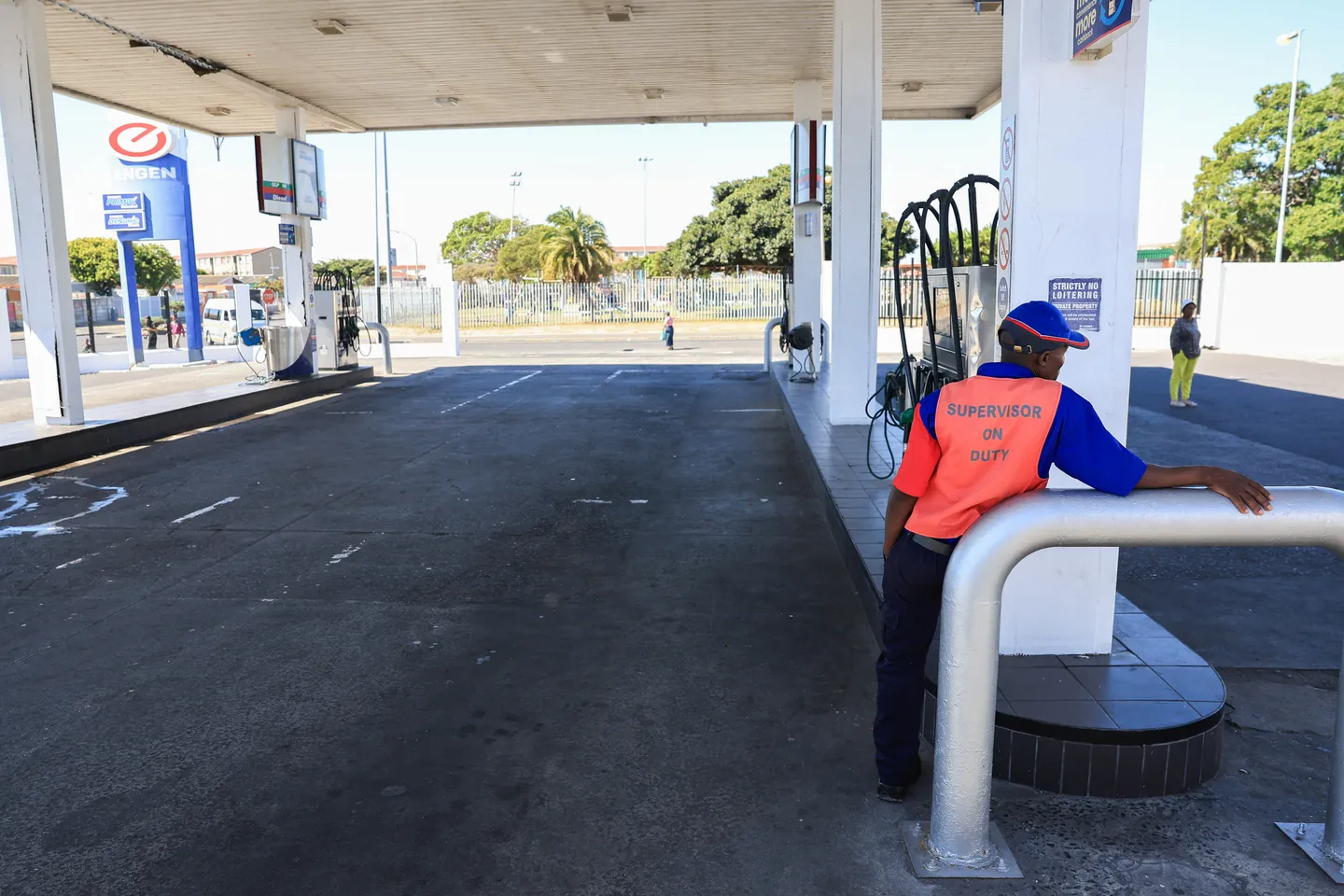
South Africa is proposing a revamp of its strategic fuel storage capability requiring mandatory reserves from both the state and private sector to mitigate supply crises, a policy document showed.
Global energy supplies and prices have been under pressure for months due to an ongoing crisis in the Middle East that has choked off the Strait of Hormuz, a key oil and liquefied natural gas transit route.
The proposals, outlined in a document from the Department of Mineral and Petroleum Resources, would make it mandatory for all licensed oil and fuel wholesalers and importers to hold 21 days' worth of stocks, with 70% allocated to crude oil and the remainder to refined products such as diesel or jet fuel, Reuters reports.
It proposes state strategic stocks of 60 days, with the same split. The buffer can be released during a declared state of emergency in "catastrophic events".
Open for public consultation






"There is a compelling need for South Africa to have a Strategic Stocks Policy to enhance the state of readiness in the event of major oil supply disruptions," the document said.
If approved, the draft policy, which is open for public consultation, will mark the first major boost to South Africa's strategic fuel reserves since the 1970s, when the country built underground crude oil storage facilities at Saldanha on the west coast. However, no specific storage levels to support the operations have been set.
The new state stocks would be managed at the Saldanha and Milnerton storage facilities.
South Africa, which has lost about half of its refinery capacity in recent years, uses an average of 27 billion litres of oil products each year, according to government estimates.