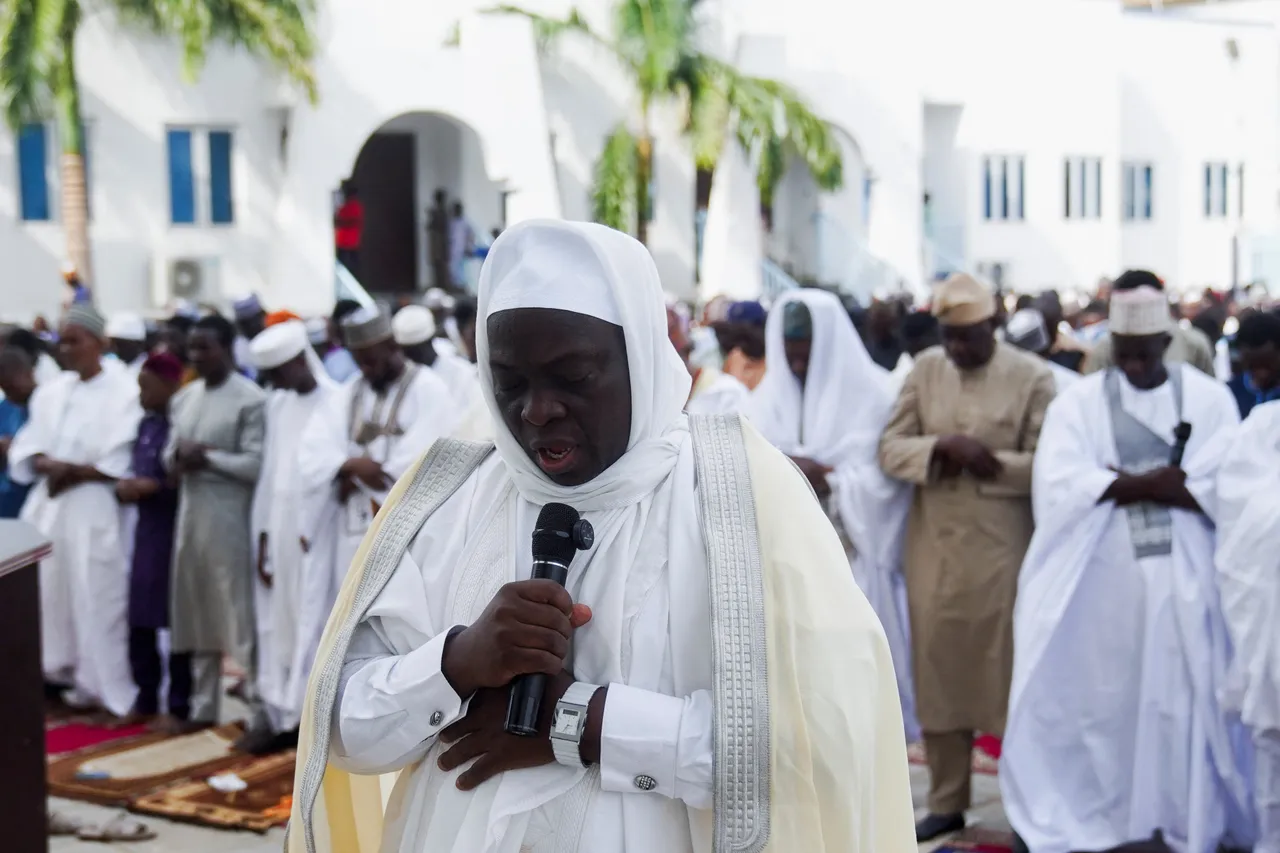
Eid al-Adha, the “Festival of Sacrifice,” is one of the two major annual Islamic holidays.
It falls on the 10th day of Dhul Hijjah, the 12th and final month of the Islamic lunar calendar, and marks the end of Hajj, the annual pilgrimage to Mecca.
The holiday commemorates the story of Prophet Ibrahim’s willingness to sacrifice his son in obedience to Allah.
According to Islamic tradition, just as Ibrahim was about to carry out the act, God intervened and provided a ram to sacrifice instead.
Religious similarities
The story appears in the Quran and is shared in a similar form in Jewish and Christian traditions.
The central ritual of Eid al-Adha is Qurbani, the sacrifice of a livestock animal such as a sheep, goat, cow or camel by those who can afford it.
The meat is divided into three parts: one for the family, one for relatives and friends, and one for the poor and needy.








This practice emphasises charity, community and gratitude. Muslims perform the sacrifice after the special congregational prayer held on the morning of Eid day at mosques or on open grounds, followed by sermons that usually reflect on faith, obedience and sacrifice.
Those on Hajj perform the sacrifice in Mina, a tent city near Mecca, as part of the pilgrimage rites.
Worldwide public holidays
Eid al-Adha is celebrated by Muslims worldwide and is a public holiday in most Muslim-majority countries.
People dress in their best clothes, visit family and friends, exchange gifts and share festive meals. It’s also a moment to showace culture and tradition.
Because the Islamic calendar is lunar, Eid al-Adha moves about 10–11 days earlier each year in the Gregorian calendar.
Beyond the ritual, Eid al-Adha reinforces themes of submission to Allah, empathy for the less privileged and the importance of giving.
The other major annual Eid is Eid al-Fitr, which is celebrated at the end of Ramadan.