Kenya has tripled its long-term target for expanding its renewable energy capacity to meet surging demand and support its industrialisation.
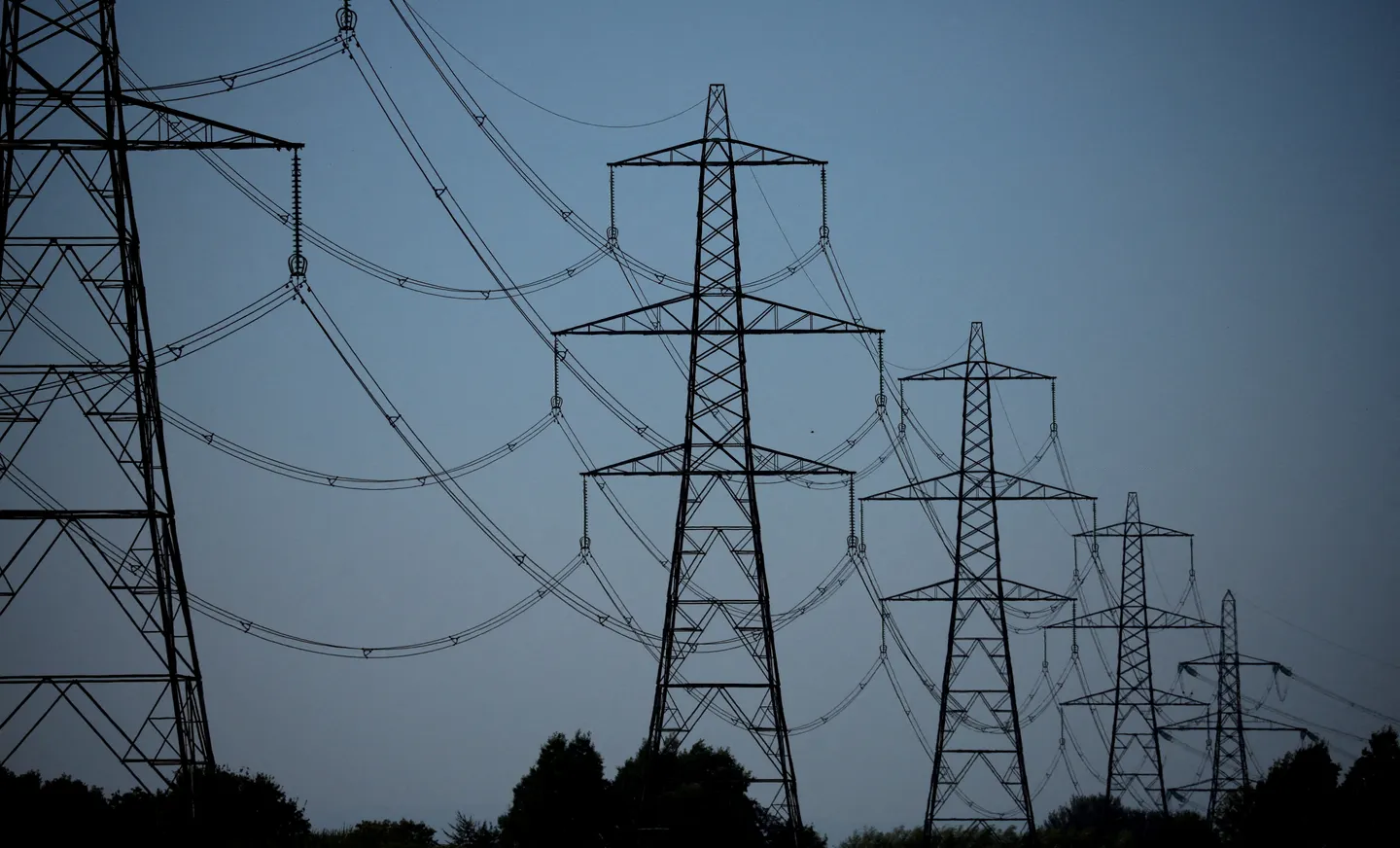
The plan calls for renewable power generating capacity of 5,500 megawatts, up from about 1,500 MW now. That would include 2,000 MW of nuclear power alongside 700 MW of hydropower and new geothermal projects.
That will strengthen the country’s position as a global leader in renewable energy. Kenya already produces 93% of its electricity using renewable sources.
"We have recalibrated our long-term growth trajectory from 1,500MW to a 5,500MW renewable energy development pipeline,” said Peter Njenga, CEO of KenGen, the state-owned utility that produces about 60% of Kenya's power.
Cheaper electricity is needed
Lawmakers have been pushing the government to reduce electricity rates. In July, the parliament directed Energy Minister Opiyo Wandayi to develop a policy for renegotiating electricity supply agreements with major power producers.
Lawmakers said lower wholesale prices could create more leeway for Kenya Power to cut consumer rates without damaging its finances.
Unlike countries like Morocco, Egypt and China, Kenya provides limited direct subsidies to cushion electricity prices. While renewable generation costs are broadly competitive, consumers ultimately bear the burden of financing costs, transmission and distribution losses, taxes, and foreign exchange movements.
Latest data show that industrial consumers in Kenya pay between $0.18 and $0.23 per kilowatt-hour, compared with about $0.03 in South Africa and Egypt, and $0.05 in Morocco and Ethiopia.
Heavy reliance on green energy






“The perception that electricity is expensive is subjective,” Kenya Power CEO Joseph Siror said in an earlier interview. “The consumer prices are dependent on infrastructure costs, electricity tariff structures, and outstanding bill recoveries.”
Kenya’s heavy reliance on green energy sources adds to costs since the infrastructure required to generate such power is expensive to install and maintain, he said.
In Kenya, independent power producers supply about 40% of total capacity under long-term contracts signed after electricity generation was liberalised in the late 1990s.
In the end, consumers pay more Some contracts include “take-or-pay” clauses that require Kenya to make agreed-upon payments even when contracted electricity is not fully consumed.
Competition
“Kenya’s renewable resource base is a major advantage, but electricity prices are determined by the whole system, not only by the cost of power generation,” said Albert Nganga, senior regulatory manager at CrossBoundary Energy. “They also reflect how power is contracted, transmitted, distributed and recovered.”
Recently proposed open-access electricity market reforms could increase competition by allowing large consumers to purchase electricity directly from power generators, he said.
The ambitious targets for expanding power generation require predictable investment policies and reforms, said Cynthia Angweya-Muhati, CEO of the Kenya Renewable Energy Association.
“The real test will be whether that additional clean generation is matched by reforms that lower electricity costs for consumers,” Angweya-Muhati said.