 Sylvia Chebet
What if the future of Africa’s food systems depended not on massive industrial farms, but on the millions of smallholder farmers already feeding the continent?
That question is driving a growing global campaign urging the World Bank Group to rethink its agricultural investments—shifting billions away from factory farming and toward sustainable, community-led food production.
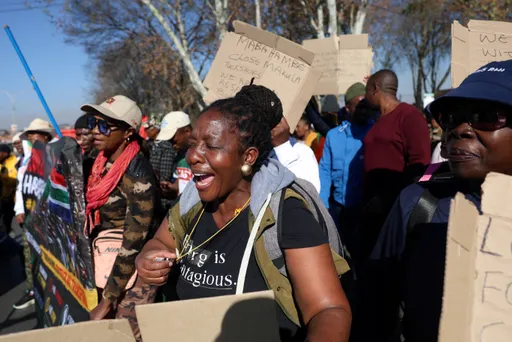
That vision is now gaining traction. More than 30 civil society organisations have joined forces to call on the World Bank Group to end its financing of industrial livestock production and redirect funds toward food systems that protect people, animals, and the planet.
The push, coordinated actions across 25 countries, is timed to coincide with the World Bank and International Finance Corporation (IFC) spring meetings in New York.
Campaigners say the timing is critical, as public funds continue to support large-scale factory farming projects widely linked to climate change, biodiversity loss, public health risks, and growing food insecurity.
For advocates, the issue is not the availability of funding—but how it is used.
“What needs to change is the priority and design of investments,” says Sally Kahiu, External Affairs Lead at World Animal Protection. “Rather than funding large-scale industrial projects, financing can be redirected to support community-based systems like agroecology.”
Agroecology, she explains, is an approach that works with nature rather than against it. It focuses on improving soil health naturally, diversifying crops, integrating livestock sustainably, conserving water, and practicing crop rotation.
Beyond farming techniques, it is a people-centred system rooted in local knowledge, indigenous seed systems, and community-led solutions.
“It’s more than an economic model—it’s environmental and social,” Kahiu adds.
Across Africa, such principles are not new. Traditional food systems have long been grounded in community, culture, and resilience. These systems are typically low-input but knowledge-intensive, “relying on biodiversity and natural cycles rather than imported chemicals or industrial processes,” she explains.
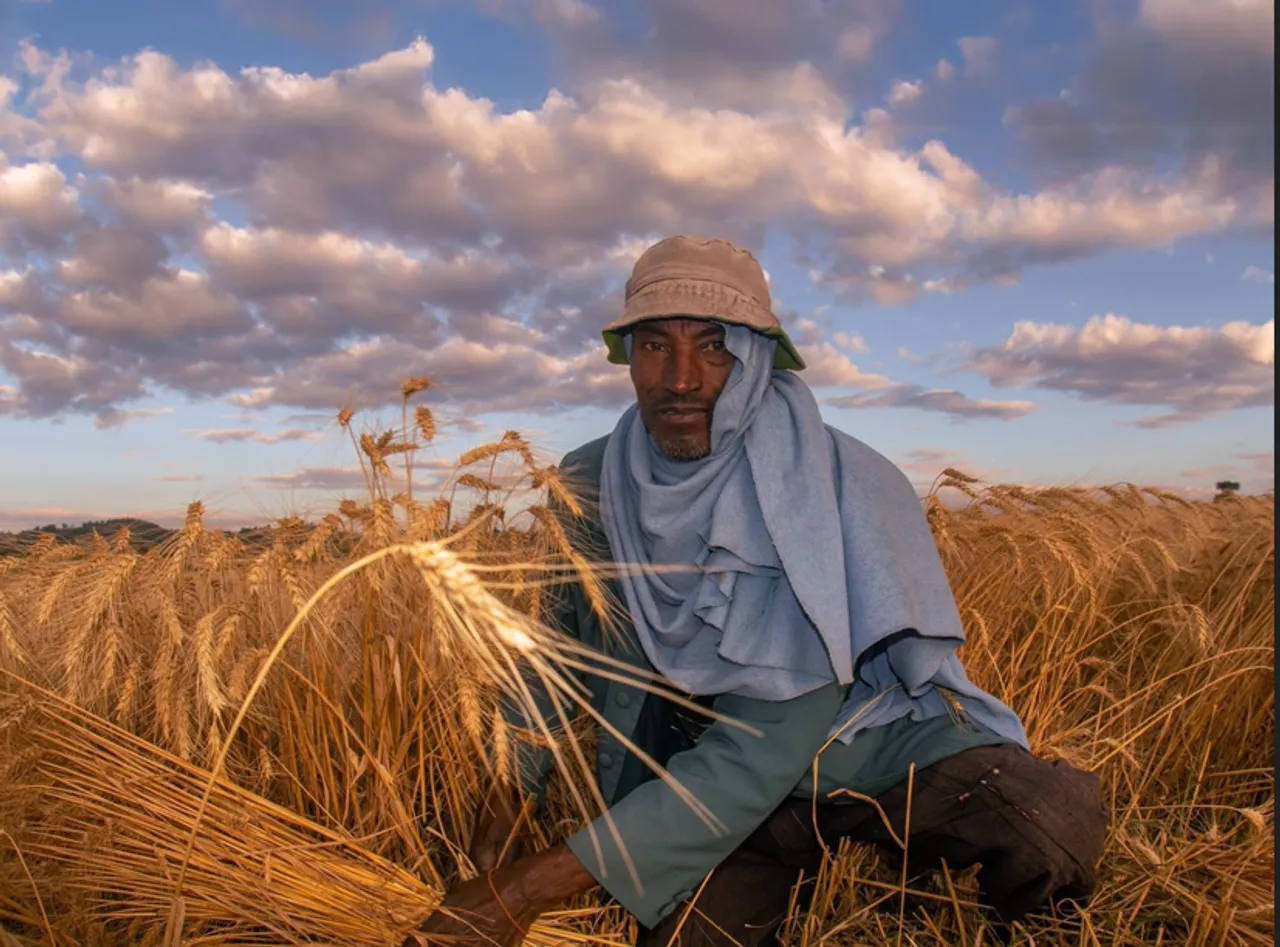
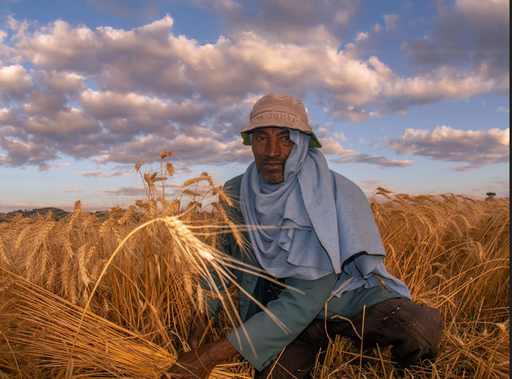
Campaigners behind the Stop Financing Factory Farming initiative argue that these systems—and the smallholder farmers, pastoralists, and fishing communities who sustain them—should be at the centre of global agricultural financing. They are, after all, responsible for the majority of fresh produce and staple foods consumed across the continent.







“Africa’s food future depends on investments that strengthen smallholder farmers, protect ecosystems, and ensure long-term food security,” the coalition says. “Public funds should not expand factory farming systems that threaten communities, animals, and the environment.”
The numbers underscore their concern. Between 2023 and 2024, the World Bank Group invested approximately $1.4 billion in industrial livestock production. Its private-sector arm, the IFC, approved 38 such investments worth nearly $2 billion between 2020 and 2025.
Sub-Saharan Africa is a major recipient of this funding. A 2023 white paper by the Stop Financing Factory Farming Campaign found that the region accounted for 22 out of 62 animal agriculture projects financed across developing regions—valued at roughly $1.395 billion, or 41.9% of total direct support.
Critics warn that such investments risk undermining local food systems. While smallholder farmers produce up to 80% of Africa’s food, large-scale livestock operations often concentrate wealth, degrade ecosystems, and expose nearby communities to pollution and disease.
“Public finance should be a force for equitable development, not a driver of environmental harm and social exclusion,” says Opeyemi Elujulo, Executive Director of the Youth in Agroecology and Restoration Network (YARN).
He argues that the deeper problem lies in what is overlooked. Agroecological and community-led food systems—despite their proven potential to strengthen biodiversity, local economies, and climate resilience—remain significantly underfunded.
“Redirecting financial flows toward these approaches is both a moral imperative and a strategic necessity,” Elujulo says. “It’s key to reducing dependency and inequality.”
Meanwhile, the World Bank Group has signalled plans to expand its agribusiness portfolio to $9 billion annually by 2030. At the same time, the IFC is conducting a once-in-a-decade review of its environmental and social Performance Standards—offering what campaigners see as a rare opportunity to realign public finance with climate goals and sustainable development priorities.
Some experts suggest a practical path forward: channeling funds through local financial institutions and cooperatives that already serve smallholder farmers. These networks bring together producer groups and community organisations, making them well-positioned to scale sustainable practices.
According to Kahiu, such a shift could have far-reaching consequences.
“Supporting smallholder farmers will strengthen food security, protect livelihoods, and build resilience against climate change,” she says.
For campaigners, the stakes are clear. The outcome of this push could reshape how food is produced across Africa—determining not only the continent’s agricultural future, but also its ability to withstand the growing pressures of climate change.