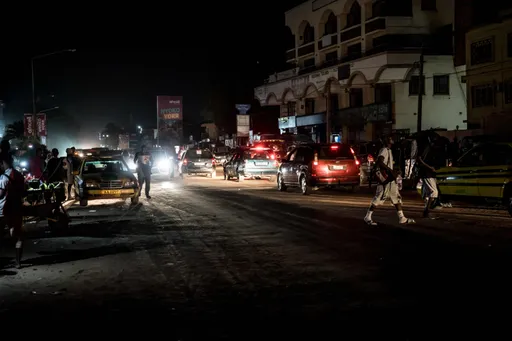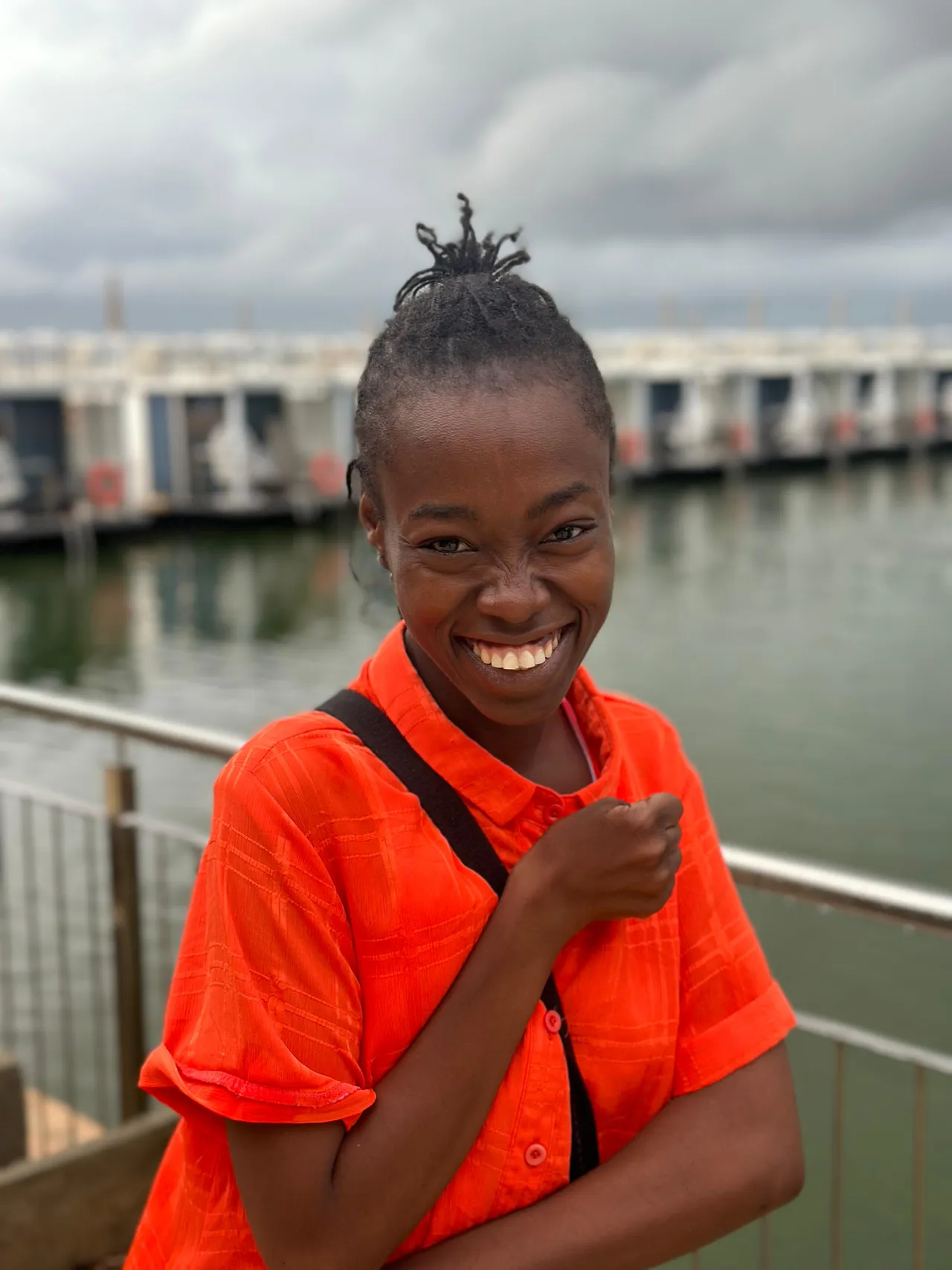
Sokhna Ka’s life story began more than thirty years ago in Dakar’s Zone B neighborhood—and from the very beginning, it was marked by extraordinary challenges.
Born with cerebral palsy, Sokhna faced not only physical difficulties but also the weight of deeply rooted social stigma. In a shocking reflection of harmful beliefs still present in some communities, certain members of her mother’s circle suggested abandoning the newborn in the forest, claiming she was a spirit meant to be “returned.”
It was a moment that could have ended her life before it began.
Instead, it revealed the strength of a mother’s love.
Sokhna’s mother, Soda Diallo, refused to give in to fear or superstition. She chose compassion, dignity, and unwavering commitment. From that day forward, she made her daughter’s well-being her life’s mission—becoming the kind of everyday hero whose story is rarely told.
“For several years, I couldn’t walk or sit,” Sokhna recalls. “I started walking at the age of seven thanks to physical therapy, massages, and adaptive devices. Today, alhamdulillah, I can move around almost independently. My journey has shaped my resilience and my vision: to help build a more inclusive society where everyone has a place.”
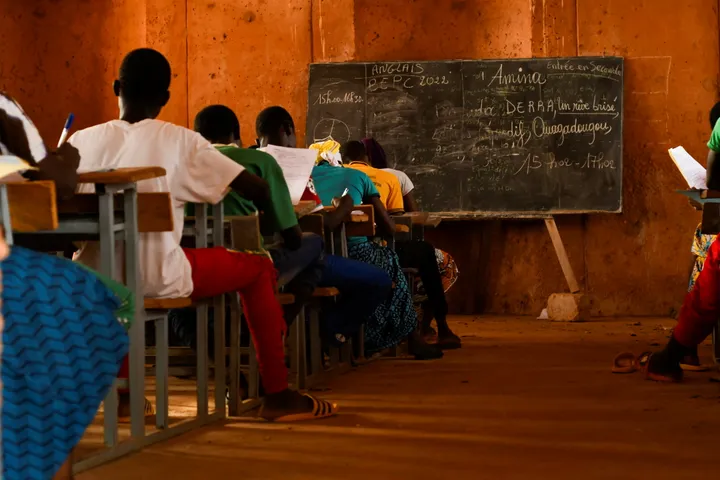
Under her mother’s devoted care, Sokhna grew up like any other child—with dreams, determination, and a desire to learn. She attended the Talibou Dabo Center, a school specializing in education for children with limited mobility.
Her path, however, was far from easy.
“My mother used to carry me on her back to catch the school bus—and sometimes all the way to school when I missed it,” she says.
As she grew older, independence became both a necessity and a challenge. By middle school, Sokhna had to navigate public transportation alone.
“I would sometimes fall in the street and get hurt,” she says. “But I always got back up and kept going.”
Those early struggles forged a resilience that would define her life.
Academically, Sokhna quickly stood out. Despite physical limitations that made writing difficult—often forcing her to sit on the floor during exams and rely on oral assessments—she excelled.
“I faced many challenges, especially with writing and calculations,” she explains. “But I stayed determined and continued my studies until I earned my master’s degree in human resources management.”
Her achievements not only defied expectations but also reshaped them. Within her family and community, Sokhna became a symbol of intellectual excellence and perseverance.


Entering the professional world brought a new set of challenges. Like many young graduates, she began with internships—yet she also had to navigate environments that were not always inclusive.
She gained valuable experience at institutions including the Ministry of Sports and Eiffage Senegal, where she worked in human resources. Later, she joined Humanité & Inclusion through the Emploi Handicap project, a turning point in her career.
“This experience was particularly enriching,” she says. “It helped me better understand workplace inclusion while developing my HR skills in a supportive environment.”
Her journey continued as a United Nations Volunteer with UNICEF, where she further strengthened her expertise in human resources and team support.
“The encouragement and guidance I received from colleagues played a huge role in my growth,” she says.
Across each professional step, Sokhna earned not just respect for her competence but genuine admiration for her character. Her colleagues saw beyond her disability—and recognized her talent, determination, and humanity.
Alongside her professional work, Sokhna has also found her voice through a personal initiative: a podcast dedicated to disability awareness and inclusion.
Titled “The Person Before the Disability: My Story, My Truth,” the podcast creates space for honest conversations about lived experiences.
“The idea came from my own journey,” she explains. “I wanted to raise awareness and show another side of disability—beyond stereotypes.”
Through this platform, Sokhna aims to highlight real stories, address barriers in education and employment, and encourage meaningful societal change.
“It’s a space for expression,” she says. “A place where people can speak freely and be heard.”
Looking ahead, Sokhna’s ambitions are both clear and impactful. She hopes to become an expert in inclusive human resources and contribute to transforming workplace policies across Africa.
Her broader vision is even more powerful: a society where disability is no longer a limitation, and where equal opportunity is not an aspiration—but a reality.
“Success,” she reflects, “is never achieved alone. It is built through solidarity, kindness, and belief in one another.”
Sokhna Ka’s story is not just about overcoming adversity. It is about redefining possibility—and reminding us that inclusion is not an act of charity, but a matter of justice.