Rising tensions between the United States, Israel, and Iran are no longer confined to the Middle East; they now generate systemic effects across global energy markets, supply chains, and diplomatic alignments.
Within this expanding geopolitical landscape, Africa is emerging not merely as a passive arena but as a strategic space where structural vulnerabilities intersect with new forms of agency.
This transformation can be understood through three primary transmission channels: energy markets, security dynamics, and diplomatic reconfigurations. First, the impact through energy markets is particularly pronounced.
Instability in strategic chokepoints such as the Strait of Hormuz and the Red Sea has intensified oil price volatility. According to data from the International Energy Agency (IEA), Brent crude prices increased from approximately $70 per barrel in 2021 to above $90 at multiple points between 2023 and 2024.
This volatility has amplified inflationary pressures across energy-importing African economies—particularly in East Africa—where transportation and food prices are highly sensitive to fuel costs.
In contrast, energy-exporting countries such as Nigeria, Angola, and Algeria have benefited from increased revenues, thereby expanding both fiscal capacity and diplomatic leverage. The result is a structurally asymmetric impact that reinforces divergence within the continent.
Strategic implications
Second, in the security domain, the indirect rivalry between the United States and Iran in Africa remains limited in scale but significant in strategic implication.
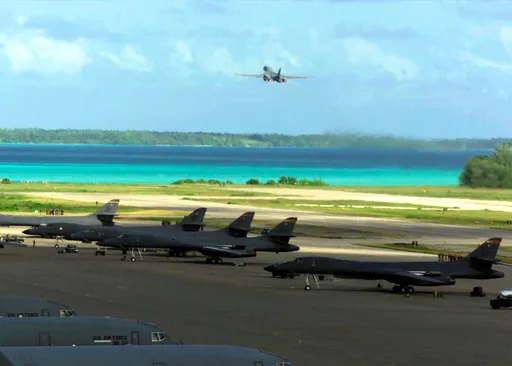
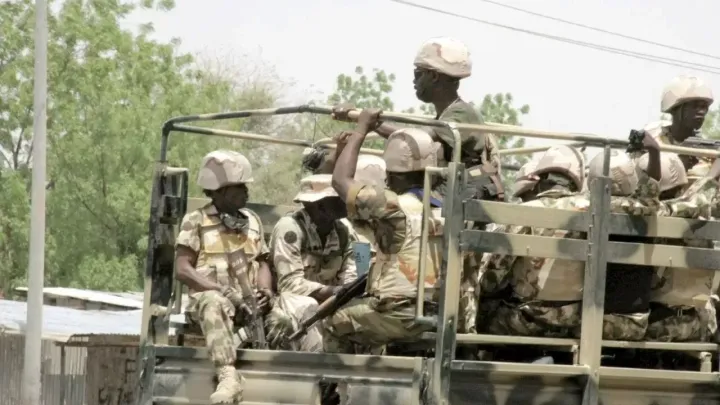
The United States continues to project influence through institutional mechanisms such as AFRICOM and long-standing bilateral military partnerships. Iran, by contrast, employs a low-intensity strategy combining diplomatic outreach, religious networks, and selective security engagement—particularly in the Red Sea basin and the Sahel.
While this rivalry does not translate into direct confrontation, it encourages African states to pursue diversified and hybrid security arrangements designed to maximize autonomy while minimizing alignment risks.
Third, diplomatic reconfigurations represent a central vector of transformation. Relations between Israel and several African countries have deepened, particularly in the aftermath of the Abraham Accords.
However, these relations extend beyond political normalization. Israel has increasingly positioned itself as a strategic technological partner in areas such as precision agriculture, water management, cybersecurity, and defense technologies, including unmanned systems.

Empirical cases from Kenya and Rwanda demonstrate that Israel’s agricultural initiatives are seeking to deliver tangible political benefits by helping to boost productivity in regions facing water shortages.
These partnerships illustrate a broader shift toward outcome-driven cooperation, where tangible benefits outweigh ideological alignment.
In this evolving context, African foreign policy can be conceptualized through the framework of “balanced pragmatism.”
This approach is defined by the deliberate avoidance of rigid geopolitical alignments and the strategic pursuit of diversified partnerships to optimize economic and security outcomes.




Diversified partnerships
Africa is no longer a space to be aligned; it is increasingly a space that aligns others through selective engagement.
This logic is reflected in the emergence of three ideal-type categories of African states. The first group includes countries relatively aligned with the dominant international system, such as Kenya, Morocco, and Ghana.
The second group adopts a strategy of balanced multilateralism, exemplified by Ethiopia and Côte d’Ivoire, where diversification serves as a risk management tool.
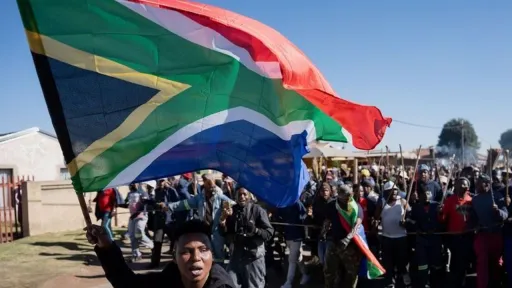
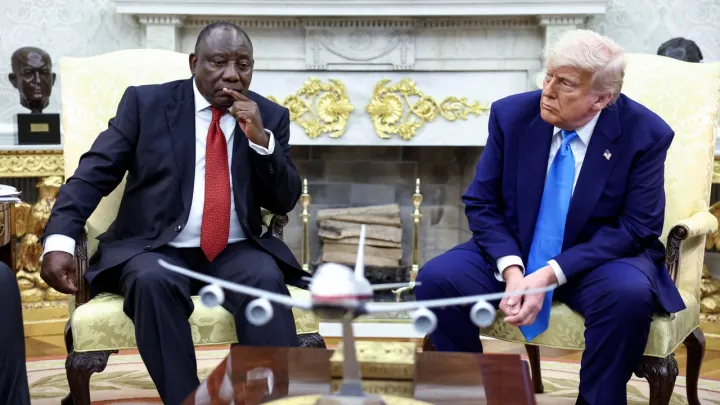
The third group consists of states with more critical or revisionist orientations, including Algeria, Mali, and Niger, while South Africa maintains a more normative and value-driven posture, particularly on the Palestinian issue.
This differentiation underscores a critical structural shift: Africa can no longer be understood as a homogeneous geopolitical entity but rather as a constellation of actors exercising differentiated strategic agency.
From a world-systems perspective (Wallerstein), certain African economies are gradually transitioning from peripheral to semi-peripheral positions. Nigeria provides a compelling illustration of this trajectory.
Leveraging its energy resources, demographic scale, and regional influence, Nigeria is enhancing its geopolitical relevance, even as it remains constrained by structural vulnerabilities.
This transition is further reinforced by deepening economic engagement with China and the expansion of BRICS, which offer partial alternatives to Western-dominated financial systems (IMF, World Bank).
Looking ahead, three strategic trajectories can be identified for Africa: passive adaptation, balanced multilateralism, and the assertion of strategic agency.
Current trends suggest a gradual movement toward the latter, contingent upon the strengthening of institutional capacity.

Policy priorities
In terms of policy priorities, three areas stand out: first, advancing intra-African energy integration to mitigate exposure to external shocks; second, institutionalizing multi-aligned diplomatic strategies; and third, enhancing the coordination capacity of the African Union as a continental actor.
In conclusion, US–Israel–Iran tensions represent both an external constraint and a strategic opportunity for Africa. The continent is no longer merely reactive but increasingly proactive in navigating global power dynamics.
However, this trajectory remains inherently fragile. If balanced pragmatism fails to evolve into an institutionalized and coordinated strategy, Africa risks reverting to its historical role as a passive arena of great-power competition.
Conversely, if successfully consolidated, this approach may mark a durable transition toward Africa’s emergence as a consequential actor within the multipolar international system.