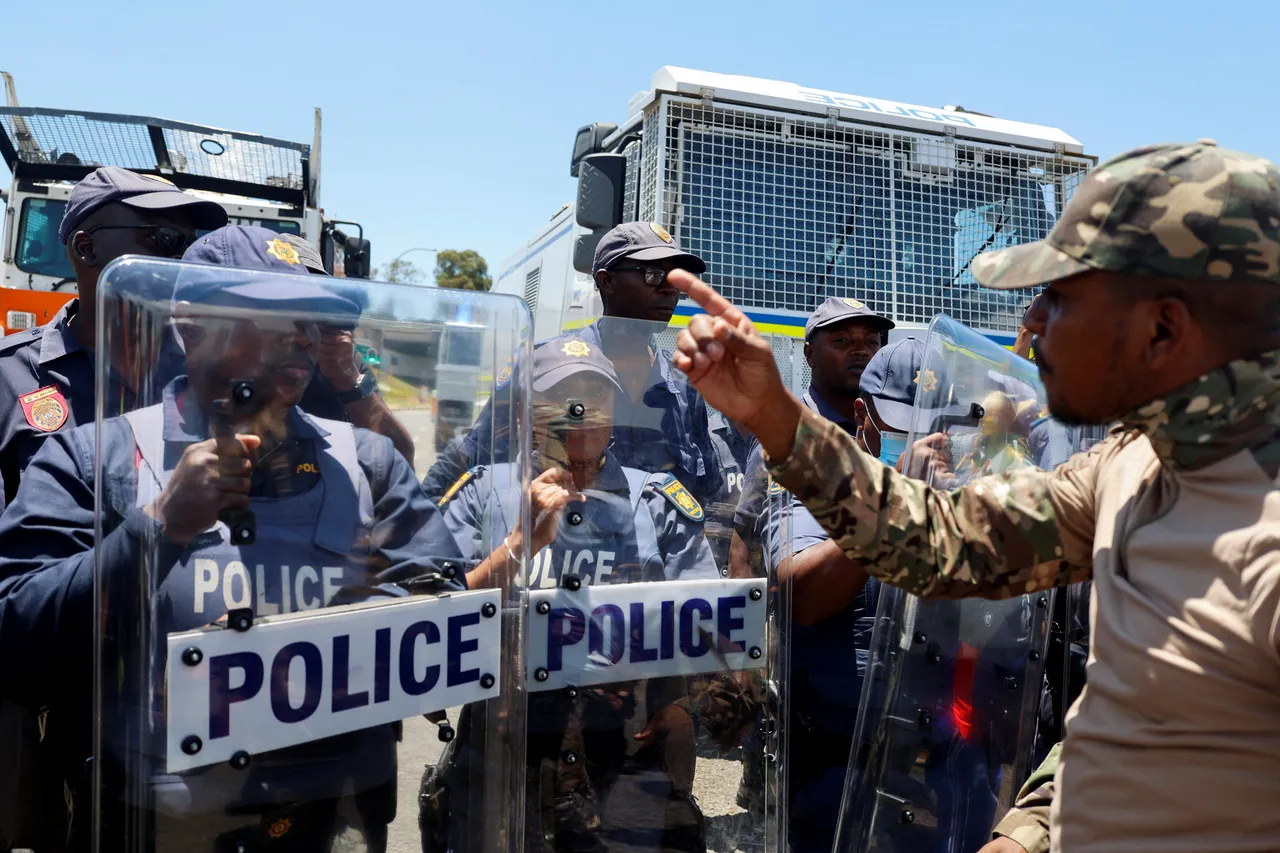
South African authorities have issued a stern warning ahead of nationwide protests against undocumented foreign nationals, saying anyone carrying weapons or engaging in violence will face arrest as security agencies deploy across several provinces in anticipation of possible unrest.
The South African Police Service and other law enforcement agencies say they are on high alert, state broadcaster SABC reports.
The demonstrations, scheduled for Tuesday, have prompted one of the country's largest coordinated security operations, with police, intelligence agencies and other government departments mobilised amid growing concerns over public safety and the potential for violence.
Speaking on behalf of the National Joint Operational and Intelligence Structure (NatJoints), Co-Chairperson and Deputy National Police Commissioner Lieutenant-General Tebello Mosikili urged demonstrators to exercise their constitutional right to protest peacefully, warning that authorities would not tolerate intimidation, property damage or the possession of dangerous weapons.
No weapons allowed
Mosikili stressed that South Africa's Constitution protects peaceful demonstrations but does not permit protesters to carry weapons under the guise of exercising their rights.
She said law enforcement officers would enforce the Dangerous Weapons Act and arrest anyone found brandishing weapons or engaging in criminal conduct during the protests.
According to Mosikili, offences linked to previous demonstrations have included public violence, malicious damage to property, assault and murder.
The warning comes as faith leaders also appealed for restraint, cautioning that rising tensions over undocumented migrants should not descend into violence or hatred.
Religious leaders convened an emergency meeting at Gatesville Mosque in Cape Town to discuss the humanitarian situation facing displaced foreign nationals and called on communities to reject intimidation and xenophobia.
Western Cape Council of Churches Deputy Chairperson Reverend Ruth Jonas acknowledged the constitutional right to protest but said Tuesday must not become "a day of fear, destruction or intimidation."
"Our Constitution protects the right to protest, but it rejects hatred," Jonas said, warning against allowing neighbours to turn against one another.
Heightened security
Security has meanwhile been significantly strengthened across the country.

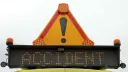

In the Western Cape, the Office of the Provincial SAPS Commissioner confirmed that all six policing districts have activated Joint Operational Centres linked to the Provincial Operational Coordination Centre to coordinate the response.
The operation brings together the South African Police Service (SAPS), the Department of Home Affairs, the Departments of Social Development and Health, intelligence services and several other law enforcement agencies.
Police officers were expected to parade in Belhar near Cape Town on Tuesday morning before being deployed to various operational areas.
Authorities have also identified the Msunduzi Municipality in KwaZulu-Natal as one of the anticipated hotspots for demonstrations.
Municipal officials say operational plans are in place to safeguard residents, businesses and critical infrastructure, with an increased law enforcement presence expected throughout Pietermaritzburg.
The municipality said emergency services and essential public operations would continue as normal while urging protesters to demonstrate peacefully.
Security expenditure
The planned security response has also sparked political debate after reports that the government has allocated $36.4 million USD to support policing and security operations linked to the protests.
Several Members of Parliament questioned whether the expenditure is justified, particularly given broader pressures on public finances and policing resources.
Build One South Africa (BOSA) leader Mmusi Maimane said while immigration laws must be enforced, demonstrations must remain lawful and peaceful.
He argued that protests should not create conditions that force confrontation with the state, describing violent demonstrations as resembling "another form of extortion."
Maimane also questioned whether the R600 million could have been better spent strengthening police capacity over the long term.
Al Jama-ah leader and Deputy Minister of Social Development, Ganief Hendricks, took the opposite view, arguing that the allocation may not be sufficient given what he described as growing threats to national stability.