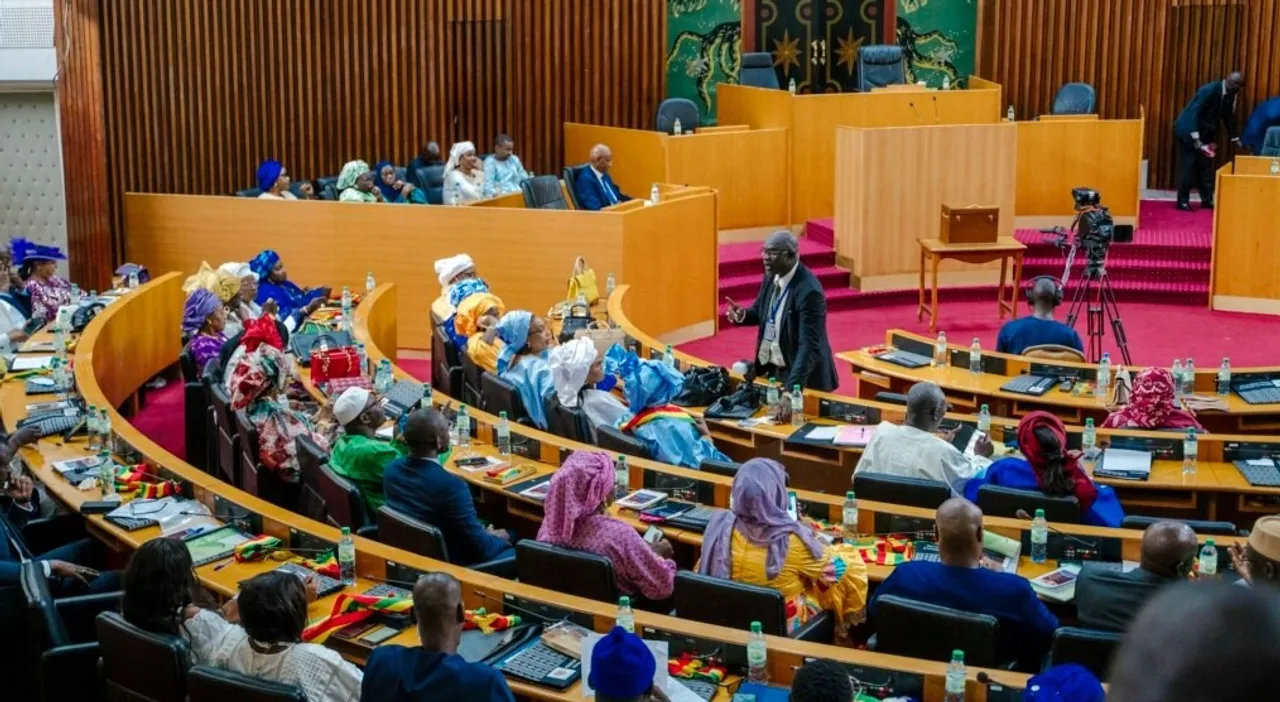
Lawmakers in Senegal were on Tuesday debating a proposed reform of the country’s electoral code, in a move that could reshape eligibility rules for future presidential candidates.
The bill, backed by the ruling majority, seeks to amend key provisions—Articles 29 and 30—which currently bar individuals convicted of certain offences, including defamation, from contesting elections.
The proposed changes come amid renewed attention on the political future of Ousmane Sonko, who was disqualified from the February 2024 presidential race following a defamation conviction.
Opposition figures argue that the reform could pave the way for Sonko to run in the next election scheduled for 2029.
Prominent critic




In the 2024 vote, Sonko was replaced by his ally Bassirou Diomaye Faye, who went on to win the presidency. Sonko has been a prominent critic of former president Macky Sall.
Sonko’s legal troubles stem from a case in which he was sentenced on appeal in May 2023 to a six-month suspended prison term and ordered to pay 200 million CFA francs in damages, following a complaint by a government minister.
The Supreme Court of Senegal upheld the conviction in January 2024, just weeks before the presidential election, and later rejected a further appeal in July 2025.
His legal team, however, maintains that an amnesty law passed in March 2024 effectively nullified the conviction.