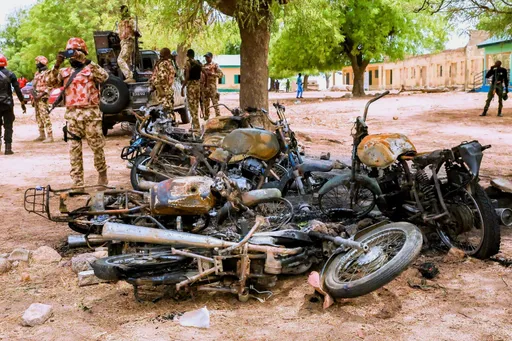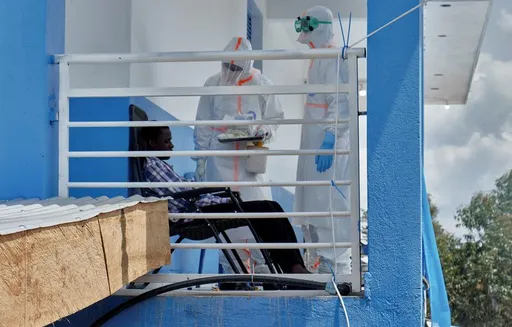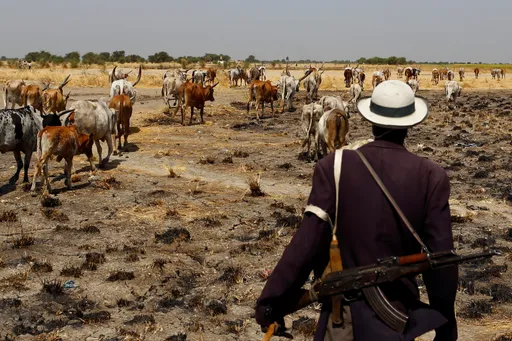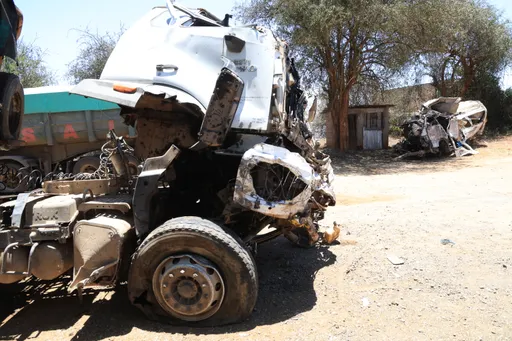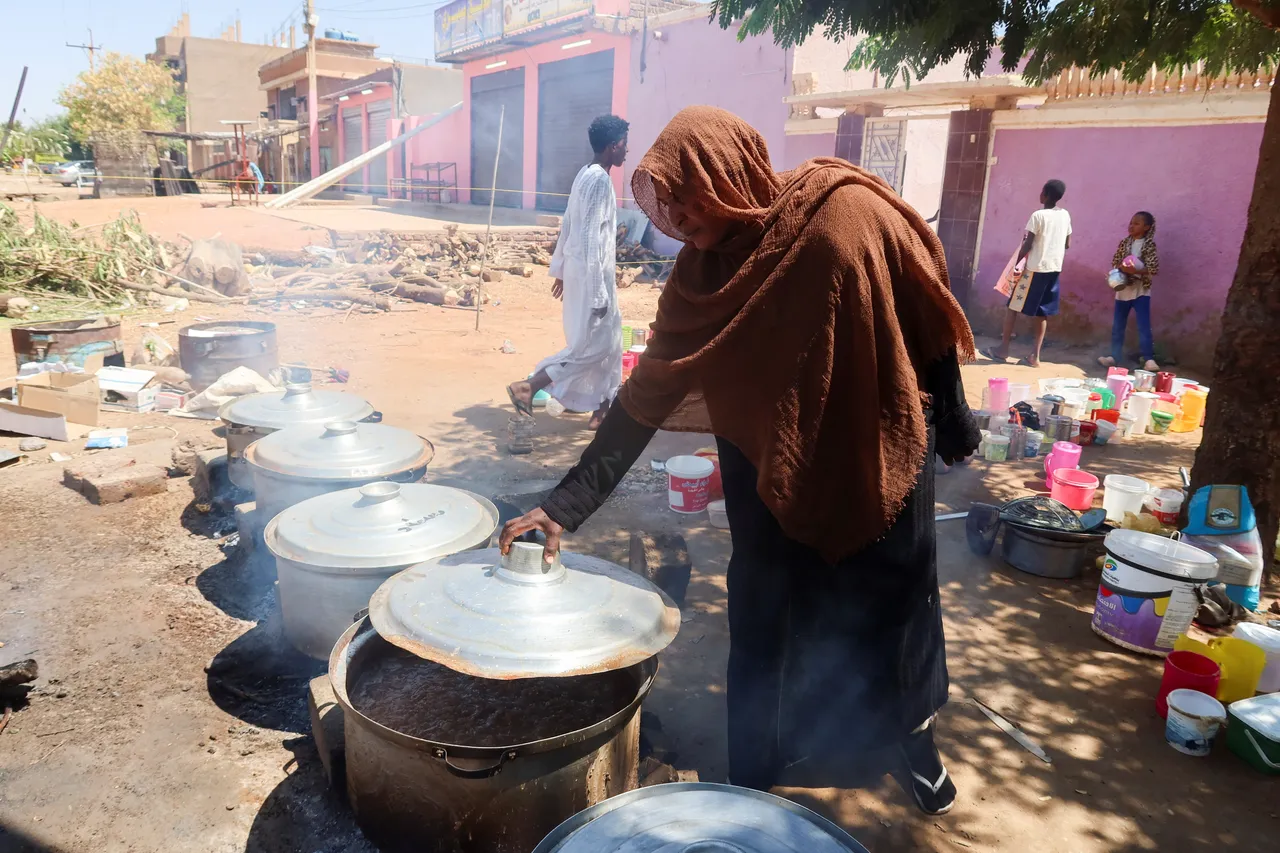
Aid workers have been frequently targeted during the conflict between the Sudanese army and the Rapid Support Forces (RSF), a war that has spread nationwide, killing thousands and triggering mass displacement, disease outbreaks, and severe food insecurity, according to the United Nations.
Dan Teng’o, communications chief at the U.N. Office for the Coordination of Humanitarian Affairs, said it remains unclear whether community kitchen workers are targeted specifically because of their humanitarian work or because they are perceived to be aligned with one side in the conflict.
“A clear deterioration in the security context has significantly affected local communities, including volunteers supporting community kitchens,” Teng’o said.
Activists say kitchen workers are highly visible figures in their communities, making them easy targets for armed groups. Ransom demands typically range from $2,000 to $5,000 — often increasing once families make initial payments.
Fleeing from RSF
Farouk Abkar, 60, from Al Fasher, spent a year distributing sacks of grain at a charity kitchen in Zamzam camp, about 15 kilometres south of the city. He told the Associated Press (AP) that he survived drone strikes and recalls the day RSF fighters stormed his kitchen.








Abkar fled Al Fasher under cover of darkness with his daughter, walking for 10 days. Along the way, RSF fighters fired birdshot that struck him in the head, leaving him with chronic headaches, he says.
Enas Arbab, another aid worker, said she fled Sudan’s western Darfur region after her hometown fell to paramilitary forces. She escaped with only her one-year-old son and memories of her father, who she said was killed simply for working at a charity kitchen serving displaced people.
The RSF, which has conflicted with the Sudanese army since April 2023, laid siege to Al Fasher before overrunning the city. U.N. officials say several thousand civilians were killed during the RSF takeover last October.
Only about 40% of Al Fasher’s 260,000 residents managed to flee the violence, with thousands wounded, according to U.N. officials. The fate of the remaining population remains unknown.
In Darfur and other areas of intense fighting, famine is spreading rapidly as food and basic supplies dwindle. Community-led public kitchens have become critical to survival — but many volunteers have been abducted, robbed, arrested, beaten or killed, the UN says.