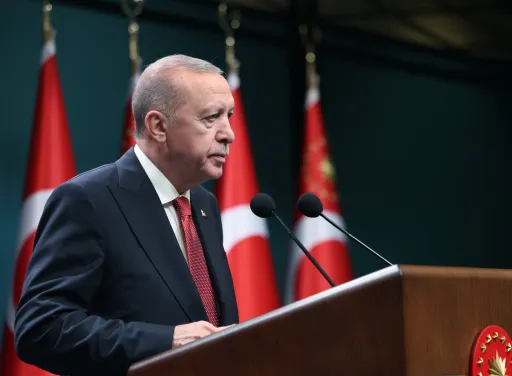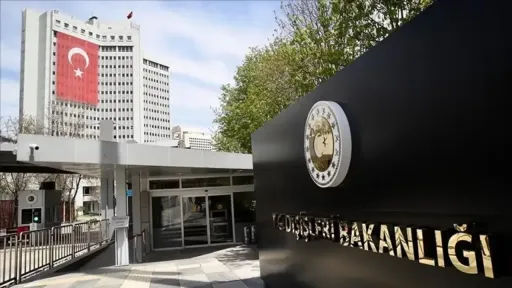
Türkiye has announced a series of concrete steps to strengthen its national cybersecurity framework, following a high-level meeting of the Cybersecurity Council chaired by President Recep Tayyip Erdogan on Tuesday.
Officials emphasised that cybersecurity is now an integral part of national security, with plans to build a more proactive and resilient system to protect the country’s digital assets.
The council agreed to accelerate the implementation of policies aimed at boosting preparedness for cyber risks, enhancing rapid-response capabilities, and ensuring stronger coordination across institutions.
A key focus will be expanding domestic and sustainable technological capacity in critical areas, reducing reliance on external systems while reinforcing national digital sovereignty.
Critical sectors identified for protection

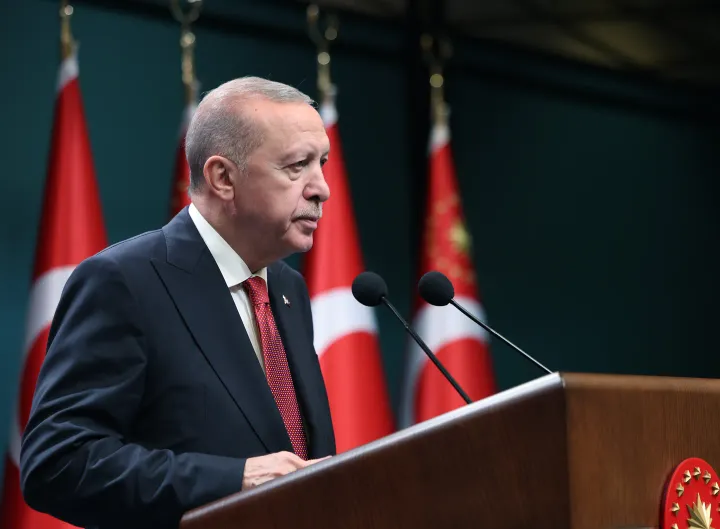





As part of the new strategy, Türkiye formally designated a wide range of sectors as critical infrastructure requiring heightened protection.
These include digital infrastructure and services, telecommunications, energy, finance, food and agriculture, manufacturing, public services, media and crisis communications, logistics, healthcare, defence industries, water management, transportation, and space.
The government also underscored the strategic importance of data sovereignty, committing to stronger policies that treat data as a national asset rather than just a technical resource.
The Cybersecurity Presidency will continue leading efforts to build a unified national architecture, with all stakeholders expected to play an active role in implementation.