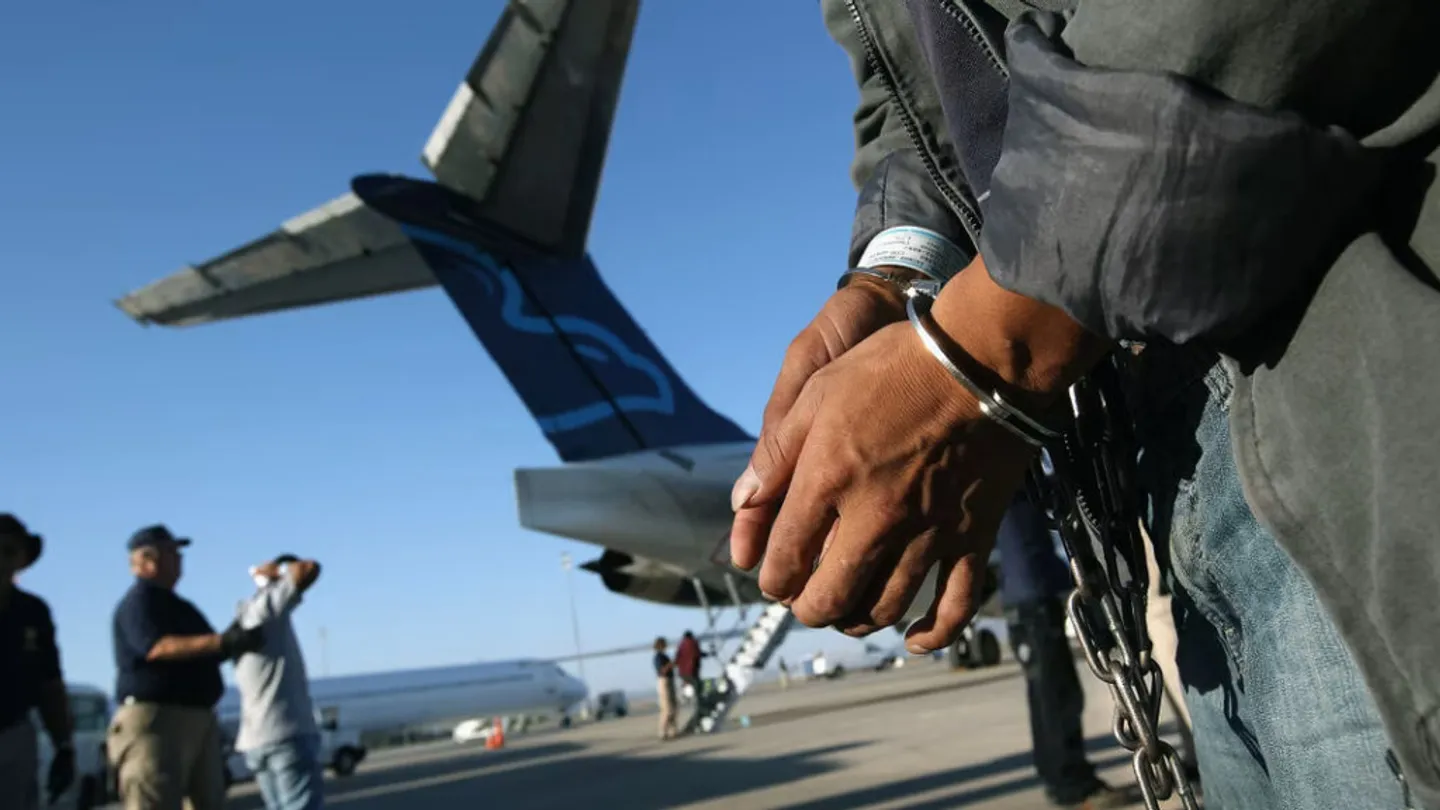
People deported from the United States to Cameroon under President Donald Trump’s immigration crackdown say they are struggling to adjust to a country they barely know, separated from their families and uncertain about their future.
About 50 people from countries including the Democratic Republic of Congo, Ghana, Angola, Ethiopia, Sierra Leone, Kenya, Senegal, Zimbabwe and Morocco have arrived in Cameroon since January, according to AFP.
Some had lived in the United States for most of their lives, while others had legal protections that prevented their immediate return to their countries of origin.
Ayana, whose name was changed by AFP for security reasons, was born in a refugee camp in Sudan and moved to the United States when she was two. She said she has no memories of Africa and considers San Diego, California, her home.
Shackled during flight
“When I was given a map and they told me, ‘You're in Cameroon’, I said, ‘What the heck is Cameroon?’ I didn't even know,” she told AFP.
The 40-year-old studied business in the United States, worked as a nursing assistant and raised a family there. Several of her relatives serve in the US military.
She was detained by US Immigration and Customs Enforcement while attempting to renew her residence permit and deported to Cameroon in late May.
She said her hands and feet were shackled during the flight.
“I feel like I've been treated like a slave,” she said. “I feel like my rights have been violated throughout the entire process.”
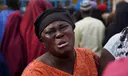
Ayana said she had been afraid to leave her accommodation since arriving in Yaounde. On one of her first outings, she sat in a bar drinking white wine and smoking cigarettes.
“I was a bit afraid to go out,” she said.
‘Stateless’
Ayana said she is unable to return to Sudan because she is not a Sudanese citizen and has no birth certificate from the country. Her mother is Eritrean and her father Ethiopian, both of whom fled conflict before being admitted to the United States.
“I’m stateless,” she said.
“I can't go to Ethiopia since I wasn't born there or Eritrea either.”
She also said returning to either country would expose her to security risks and documentation problems.
“We're really not welcome here,” she said. “They are just trying to make you tired so that you wanna go back to your country.
“But we cannot because our life is in danger there.”
The Trump administration has defended the policy, arguing that while some people cannot legally be returned to their countries of origin, US law does not prevent their deportation to third countries.