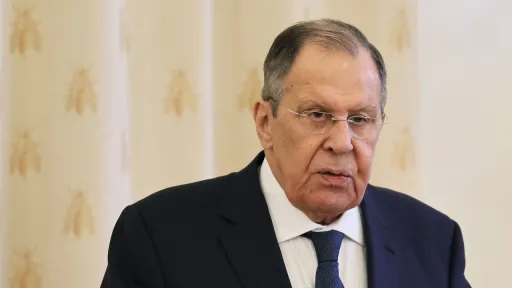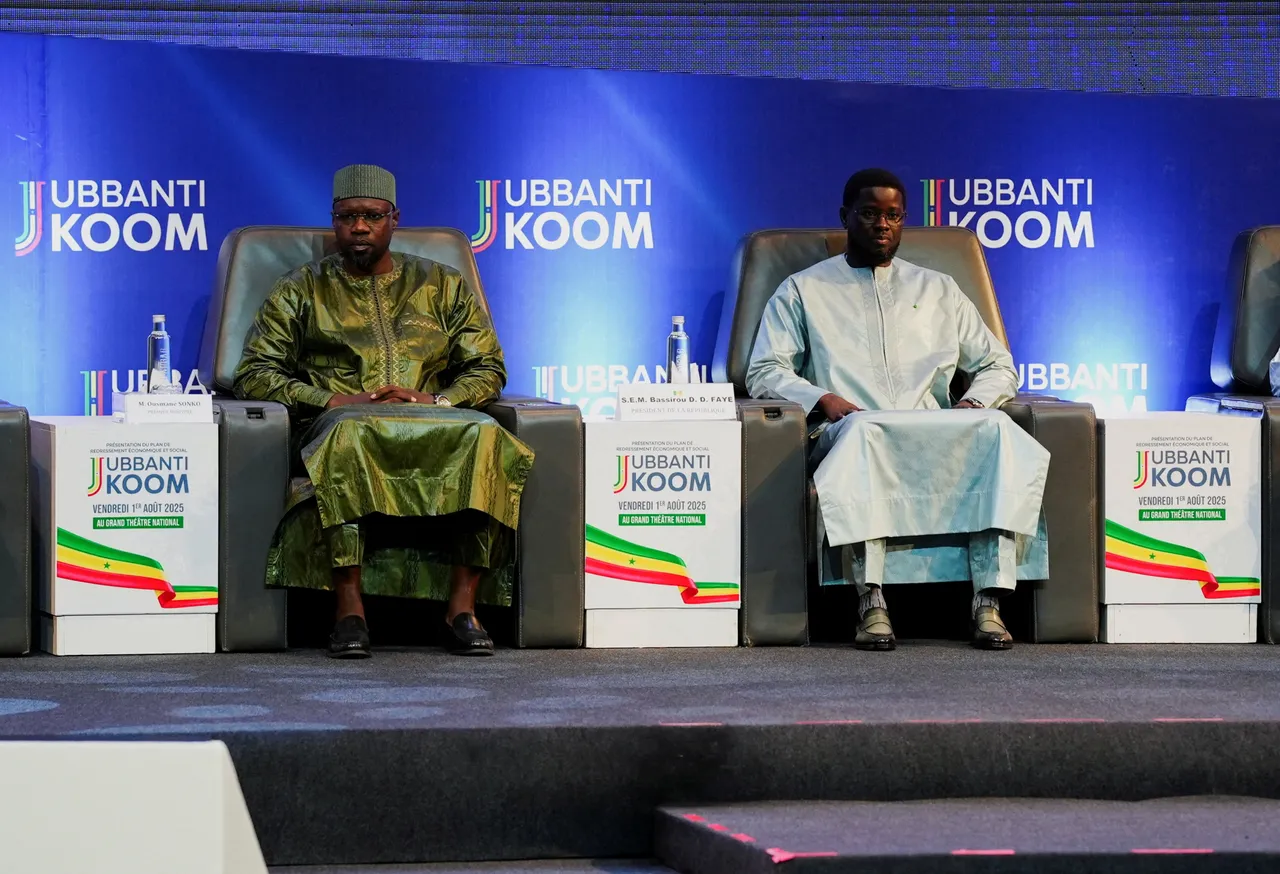
Senegal President Bassirou Diomaye Faye sacked Prime Minister Ousmane Sonko and dissolved the government on Friday after months of tensions.
The announcement was made on state television in a decree that said President Faye "has ended the duties of Ousmane Sonko... and consequently those of the ministers and secretaries of state who are members of the government".
No details were provided on the appointment of a new prime minister.
"Alhamdulillah (praise be to God). Tonight I will sleep soundly in the Keur Gorgui neighbourhood," Sonko posted on Facebook after his dismissal, referring to the Dakar district where he lives.
Souring relations
The relationship between Faye and the charismatic Sonko, his one-time mentor, has soured in recent months.
Their Pastef party won outright in the first round of 2024 elections on a promise of a profound political shake-up, vowing to fight what they said was corruption and inheriting an economy mired in debt.
By law Faye as president can fire his head of government with a simple decree.
Discord between the president and prime minister has been on display for months, making their governing alliance increasingly uncertain.
At the start of May, Faye criticised Sonko's "excessive personalisation" within the ruling party.
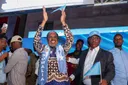


"As long as he remains prime minister, it is because he has my confidence. When that is no longer the case, there will be a new prime minister," Faye declared in a televised interview.
Sonko has accused Faye of a "failure of leadership" for not backing him up against his critics.
High debt
Since coming to power in 2024, the country's leaders have had to contend with a worrying economic situation, inheriting colossal debt from the previous government.
With debt levels that have reached the equivalent of 132 percent of its GDP, according to the International Monetary Fund (IMF), Senegal is now the second-most indebted country in sub-Saharan Africa.
Sonko last year said the IMF wanted Senegal to restructure its debt and that the government would resist such a move, calling it "a disgrace".
The president announced early this month that he was personally handling talks with the International Monetary Fund aimed at resolving the crisis
Upcoming elections
Senegal’s parliament approved a bill last month that opens the way for Sonko to run in the next presidential elections, slated for 2029.
The reform amended Senegal's electoral code, which had stipulated that a defamation conviction made a candidate ineligible.