 Susan Mwongeli
Nigeria's First Lady, Oluremi Tinubu, has once again sparked a social media debate after saying she will wear a traditional attire known as Akwete if her husband, President Bola Tinubu, is re-elected for a second term in office.
So, what is Akwete and why does her statement matter?
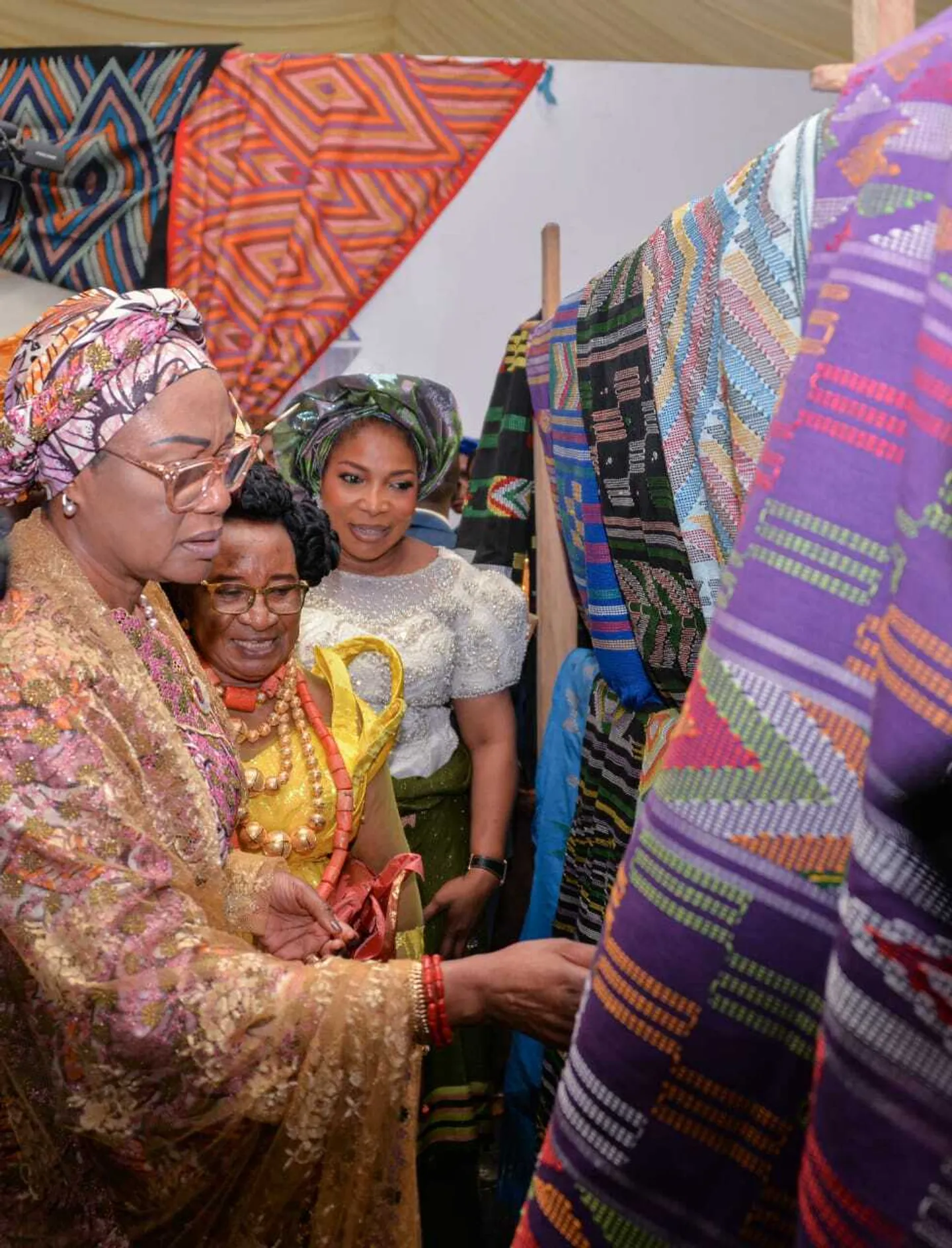
Remi Tinubu, who had served as a Nigerian senator, made the comments during a visit to the Akwete Weaving Cooperative Village in the southeastern state of Abia on 21 July 2026.
She said, "If God brings" her husband another four-year term, she "will be wearing a buba and wrapper from Akwete," admiring the fabric for its "very soft, breathable cotton."Akwete, which is also known as Ndoki, is one of Nigeria's oldest indigenous textiles.
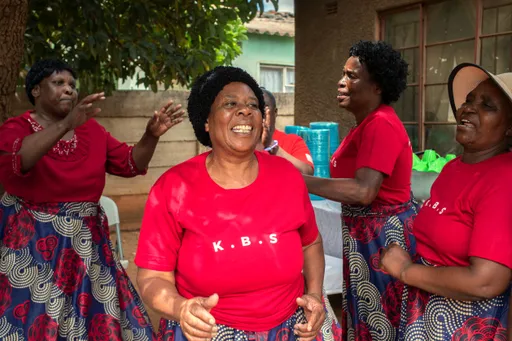
Hand-woven for centuries mainly in the town of Akwete, the cotton fabric is traditionally produced by Igbo women using horizontal looms.
Culture boost
Known for its intricate geometric patterns and vibrant colours, it was once reserved for royals and warriors, worn during important ceremonies like weddings and coronations.
It remains one of the strongest symbols of Igbo craftsmanship and identity.






Alongside her pledge to wear the fabric, the Nigerian first lady announced ₦2 billion — approximately $1.3 million — in support to revive and boost the centuries-old Akwete weaving industry, urging Nigerians to embrace their culture, including locally made fabrics.
The initiative reflects a broader continent-wide push to promote African culture and creative industries.
Through Agenda 2063 and the Charter for African Cultural Renaissance, the African Union encourages member states to preserve indigenous knowledge, support local artisans, and strengthen cultural industries for economic growth.
Remi Tinubu’s comments also come as Nigeria prepares for general elections in early 2027.
One of President Tinubu’s main rivals in the elections is Peter Obi, who is from the Igbo ethnic group, which cherishes the Akwete fabric for its cultural and economic value.
Given the first lady and her husband Bola Tinubu are from the Yoruba ethnic group, some commentators say her conditional statement could be a political message.
Others say that for the first lady to be wearing Akwete, it would be more than a fashion statement. It would be a public endorsement of one of Nigeria's oldest fabrics and weaving traditions to ensure the culture continues for generations to come, but only if her husband wins re-election.