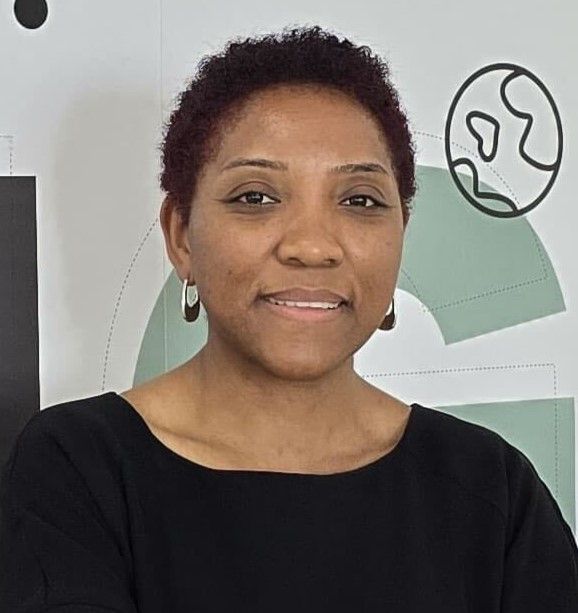
 Aymerillette Sen
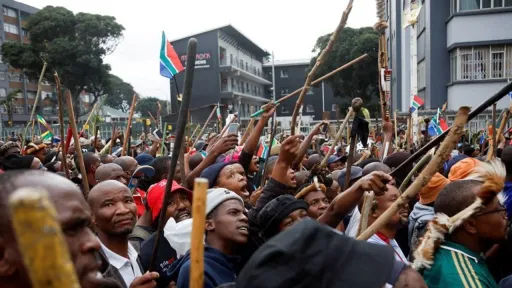
By the end of 2025, Madagascar experienced significant demonstrations initially instigated by youth protesting the persistent water and electricity shortages. These protests rapidly escalated into broader political conflicts, revealing underlying socio-economic and institutional grievances.
It all started when three municipal councilors from Antananarivo symbolically denounced the shortages. Their repression sparked widespread public outrage amplified by social media.
This mobilization took place within a context of deep political fragility. Re – elected in 2023, Andry Rajoelina faced serious legitimacy issues fueled by allegations of electoral manipulation, controversy over his French nationality, and unfulfilled promises.
Public anger was intensified by the repression of critical voices, corruption scandals and a predatory economic system, particularly around JIRAMA, where private interests linked to fuel imports allegedly worsened power cuts.
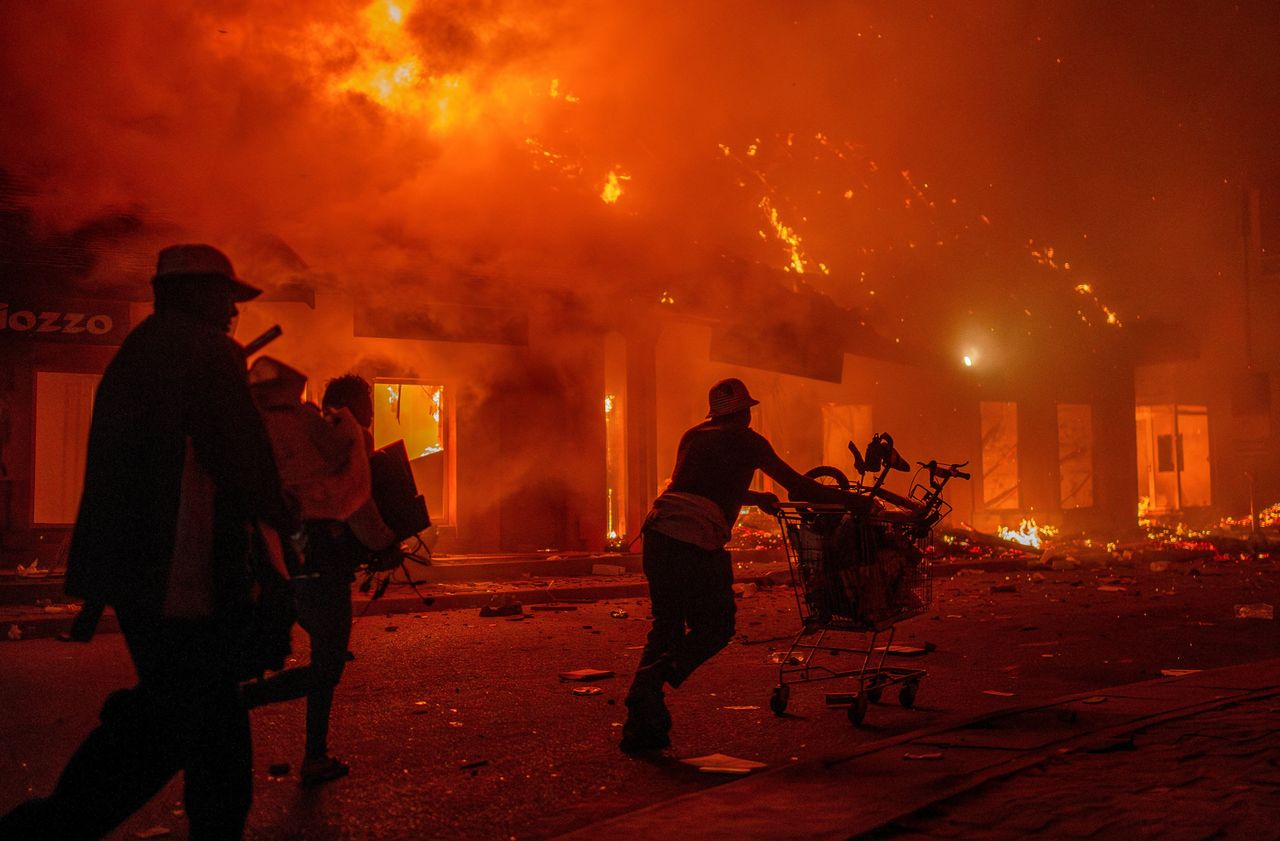
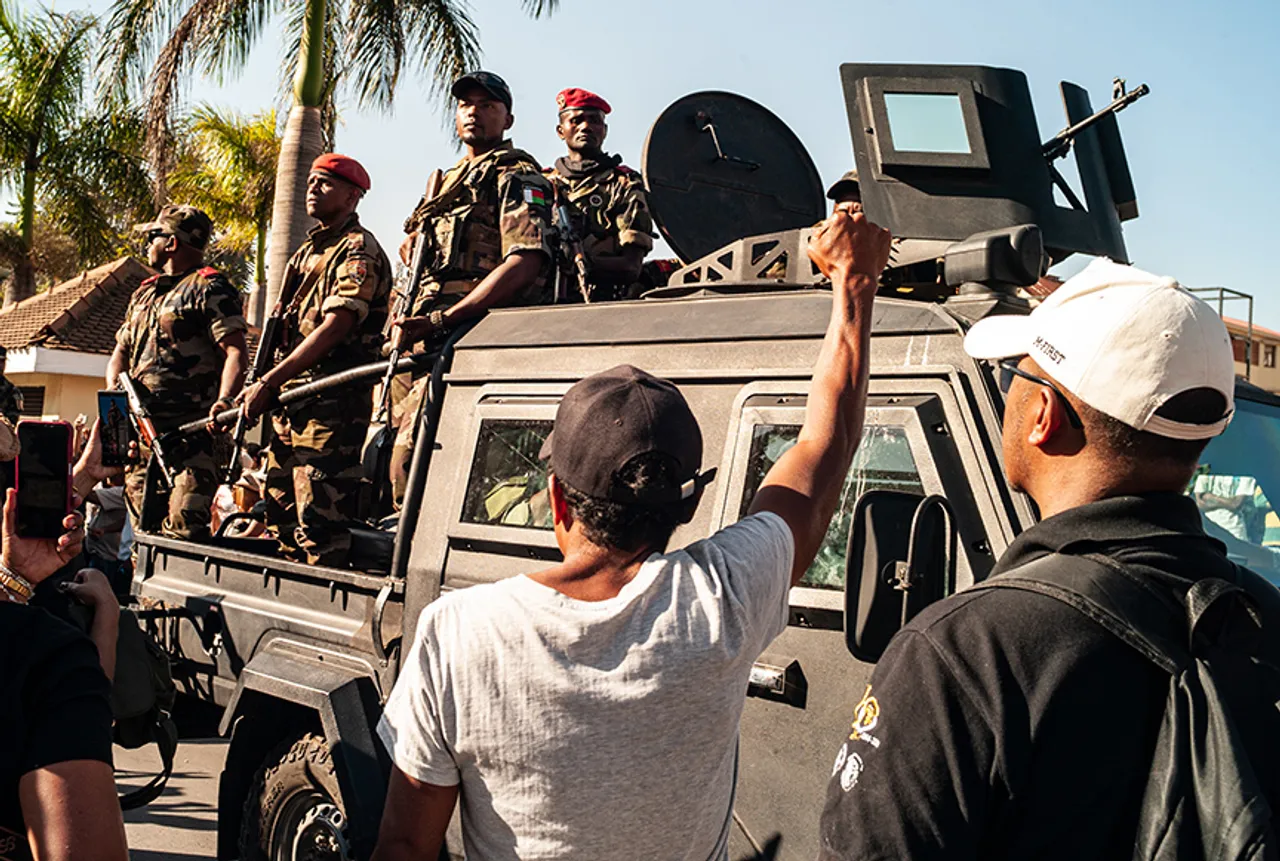
As student – led protests spread across the country, a violent crackdown left 22 dead and more than 100 injured. This transformed social discontent into a national uprising. The decisive moment came when CAPSAT, a military branch, sided with protesters instead of the regime.
Within weeks, Rajoelina’s government collapsed, forcing the president and several close allies to flee abroad.
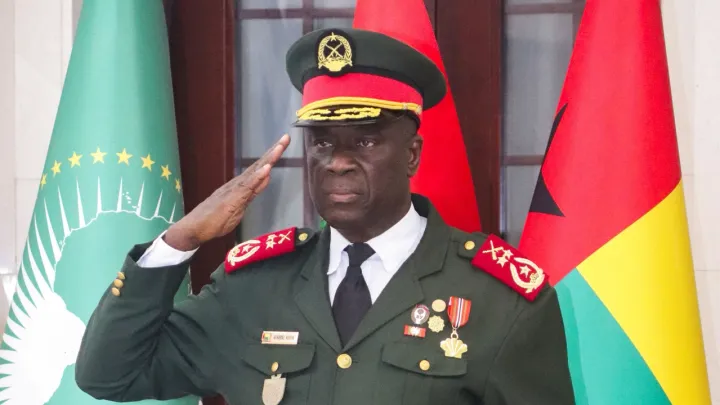
Subsequently, a junta led by Colonel Michaël Randrianirina assumed power, with commitments to hold elections in 2027 as part of a process termed the “refoundation” of the Republic. Although the new leadership asserts its willingness to collaborate with all international partners without bias, several indicators suggest a closer alignment with Russia.
Military cooperation
Since the new administration assumed power, diplomatic relations between Madagascar and Russia have been significantly strengthened. The President of the National Assembly, Siteny Randrianasoloniaiko, headed a Malagasy parliamentary delegation to Moscow from 5 to 10 November 2025 to enhance bilateral cooperation.
Moreover, it was alleged that in December 2025, a delegation of approximately forty people from Russia, mostly military figures, visited Madagascar secretly.
The mission was headed by General Andreï Averianov, who is the deputy chief of the Russian military intelligence agency and also heads the Africa Corps, which is an organizational entity succeeding the paramilitary Wagner Group.
Equipment delivery has also been seen as an example of military cooperation. In February 2026, Russia provided helicopters and other heavy machines used in reconstruction after the passing of Cyclone Gezani.
On 1st April 2026, armored cars, weapons, ammunition, and uniforms were formally delivered to the Malagasy military forces in General Mounibou Ismaël camp in Ivato.
Partnership rooted in historical relations
The present-day reconciliation between Madagascar and Russia can be traced back to the long-standing history between the two countries, stretching from the time of the Cold War.
In May 1972, after the downfall of its First Republic, which was governed by Philibert Tsiranana, the military leadership in Madagascar created diplomatic ties with the Soviet Union.
In 1975, under President Didier Ratsiraka, Madagascar embraced socialism and became the Democratic Republic of Madagascar.
For many years, the Soviet Union gave Madagascar various kinds of support, including training of specialists in large numbers, building industrial enterprises like a flour mill in Toamasina, a cement factory, and a veterinary laboratory in Morondava. Geologists from the Soviet Union also did explorations and made metallogenic maps of Madagascar.
Education was another field where cooperation between the two countries was evident. More than five thousand students from Madagascar have been educated at Soviet universities on scholarships. Presently, Russia maintains this tradition by offering forty scholarships per year to Malagasy students.

Nowadays, Russo-Malagasy relations continues in many areas, such as energy, food security, education and culture. For instance, Russia frequently participates in the implementation of food security projects using the World Food Programme.
For instance, 80 tons of vitamins fortified sunflower oil from the Russian Federation have recently been delivered to the port of Toamasina. Moreover, there is a $4 million project under the Russia-UNDP trust fund that will help to provide improved access to water and energy resources in southern Madagascar.
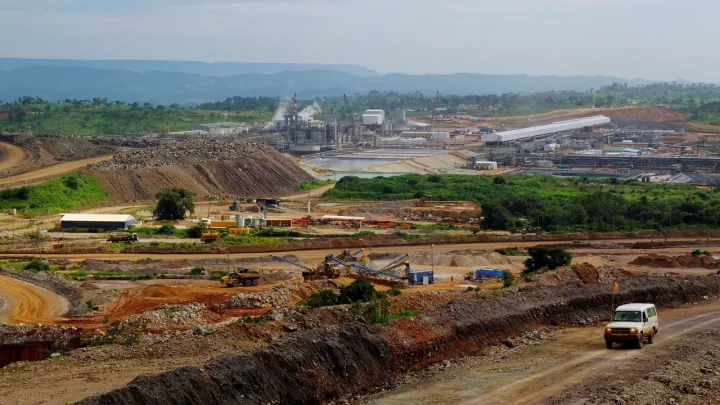
Nevertheless, there have been some contentious instances involving Russian investment in Madagascar. An example would be the case involving Ferrum Mining, which had an 80 percent stake in the joint venture between itself and Kraoma S.A., a Malagasy state-owned mining company in the area of chromium. After one year, the Russian company left the joint venture owing money for salaries.
In 2020, employees at the Brieville site of the company Kraomita Malagasy (KRAOMA) were considering suspending their activities while demanding payment of three months of unpaid salaries. Despite their planned suspension of operations, the employees pledged to maintain minimum service in the company’s interest after issuing a 48-hour ultimatum.
The employees’ spokesperson stated: “The Russian shareholders received more profits, compared to the Malagasy side, even though the Malagasy Company provided all the equipment, personnel, logistics, and raw materials No one clearly knows what these Russians contributed to deserve such advantages”
As a result, the company was forced into financial maneuvering to settle salary arrears. “The unilateral and unexpected withdrawal of the Russian partners, who were officially responsible for paying employee wages under the agreement, is the root cause of these problems.
Since November, the company itself has had to cover salary back payments through part of December,” company officials explained, while also revealing the financial strain they were enduring to rescue the business. KRAOMA is burdened with 101 billion ariary in debt and 39 billion ariary in losses after four years of mismanagement, according to an internal company official.
Military agreements and strategic implications
There are two intergovernmental agreements that define the nature of military cooperation between the two nations: one military cooperation agreement, which was established in 2018, and a military-technical cooperation agreement established in 2022.
The agreements are meant to ensure that the Malagasy armed forces receive modernization, which has been long overdue, considering that the forces are equipped with outdated equipment inherited from the Soviet era in the 1980s, according to General Richard Rakotonirina, who served as the Minister of Defense.
Nevertheless, a crucial uncertainty persists regarding the Malagasy government's long-term financial ability to sustain and deploy these defense assets.
Cooperation Without Dependency
While cooperation with Russia may have presented certain strategic advantages, it needed to fit within a broader, balanced foreign policy that protected Madagascar’s sovereignty and avoided overreliance on any single external power. Diversifying international partnerships remained essential for preserving independent decision-making.
Madagascar’s most pressing challenges were fundamentally social and economic. Immediate national priorities included:
Expanding water infrastructure (wells, desalination facilities, and distribution systems), rehabilitating roads and transport networks, building schools and strengthening education, supporting agriculture through tools and resources for farmers, generating employment for a predominantly young population.
These needs were particularly urgent because the country’s recent political crisis had been driven largely by persistent water and electricity shortages that deeply affected daily life.
However, Russia’s involvement did not substantially respond to these core priorities. Instead of addressing infrastructure, public services, or economic development, its support was largely centered on helicopters, weapons, and ammunition. This contrast underscored a significant disconnect between Madagascar’s development needs and the type of assistance offered, raising important questions about whether such cooperation truly aligned with the country’s long-term stability and prosperity.
The author, Aymerillette Sen, is the head of Madagascar Cultural and Solidarity Association