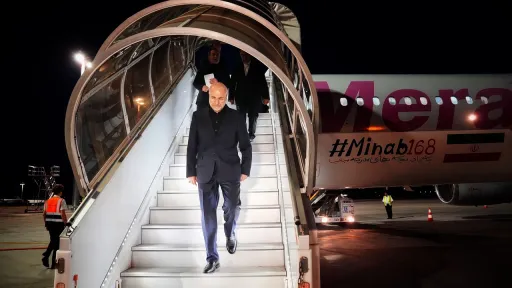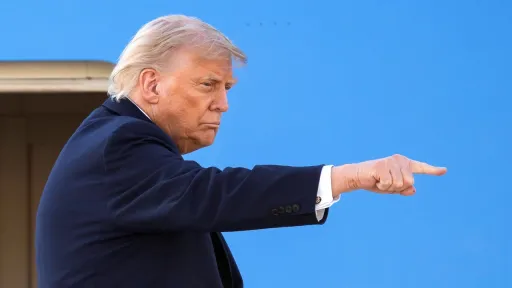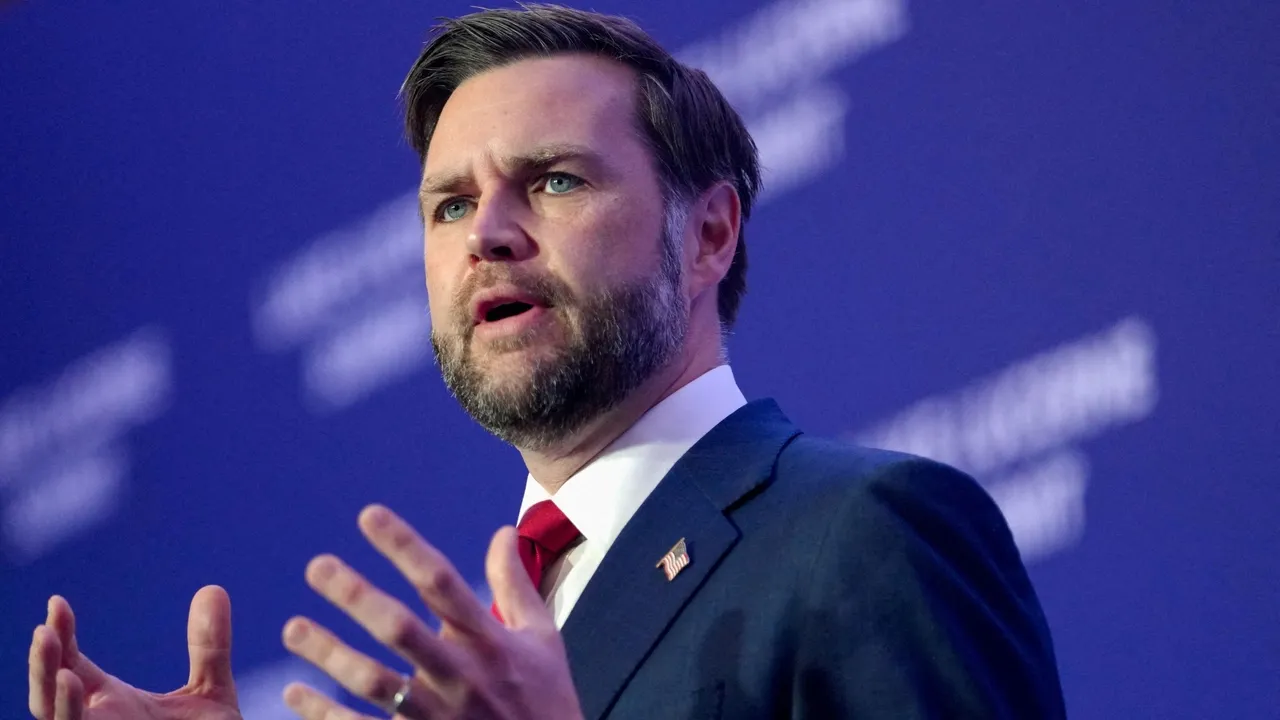
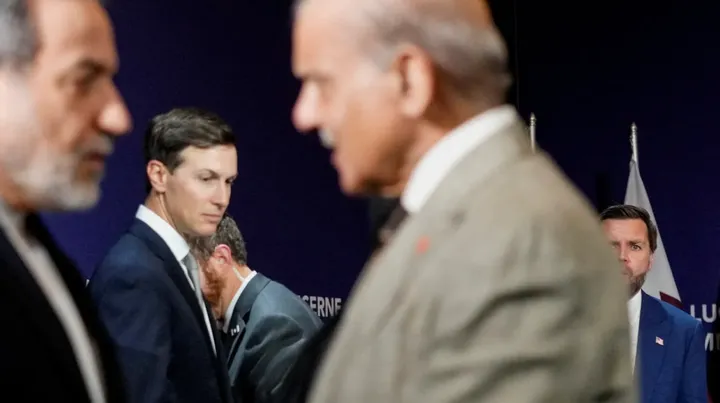
US Vice President JD Vance, who led the US delegation to the first round of talks with Iran in Switzerland aimed at reaching a final peace deal, has said that progress has been made towards ending the Israeli war in Lebanon. However, he offered guarded comments about whether the US wants invading Israeli troops to withdraw completely from southern Lebanon.
"We want Israel's security to be protected, and we also want Lebanon's sovereignty to be protected. And this is going to be an ongoing conversation," Vance told reporters on Monday when asked whether the US wants Israel to withdraw forces from southern Lebanon.
"The Israelis have been very clear they do not have territorial intentions on south Lebanon. The reason they feel they have to be there is because they're worried about Hezbollah fighters in south Lebanon firing into Israel, the US vice-president added.
He said securing Lebanon's sovereignty and territorial integrity, alongside Israel's security, will require significant effort.
"And that's going to require some coordination with the Lebanese armed forces, and also it's going to require the Iranians to rein in Hezbollah, that's all the sort of things that we were talking about yesterday," he added.
Asked about what progress was made on the Lebanon ceasefire, Vance said, "We've been, I think, very good at setting up what we're calling a deconfliction mechanism, but what it really is is to say that when things happen, the sides are actually talking to one another."
Vance said the US has been in contact with the Israelis, Lebanese, Saudis and Emirates in this regard.
Meanwhile, a ceasefire was largely holding in Lebanon on Monday as the country experienced the longest lull yet in three months of war between Hezbollah and Israel, even as fear of renewed hostilities kept displaced people from going home.
A senior Lebanese security official said that adherence to the ceasefire had been "almost total" since Saturday evening, though the official said an Israeli tank fired shells towards a village near Tyre and Israeli forces fired sound grenades in two other locations on Monday.




An Israeli drone buzzed over Beirut.
Decisive test for US-Iran Deal
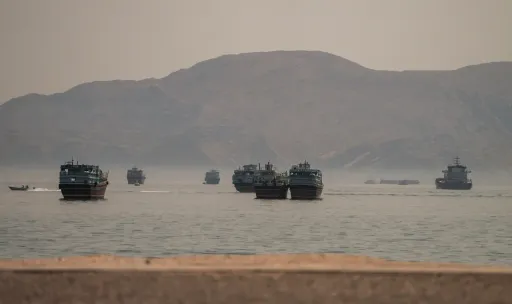
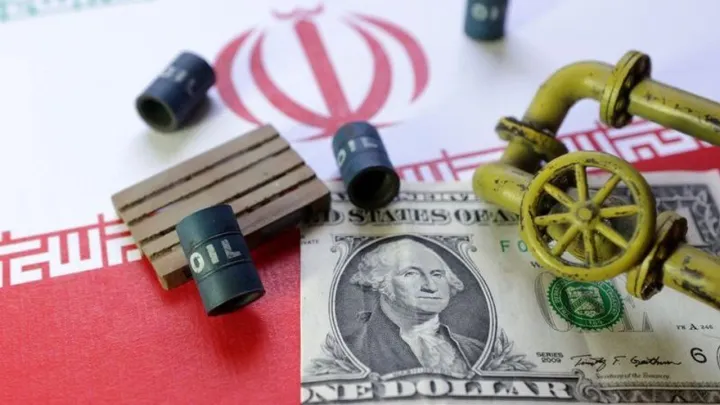
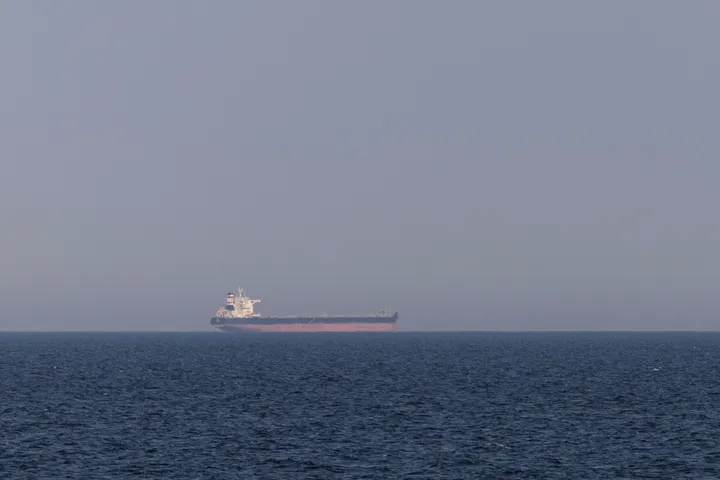
The war has tested the interim US-Iran deal on ending the regional conflict, leading Tehran to announce at the weekend it had once more closed the Strait of Hormuz, saying the US had failed to meet its commitment to halt the fighting in Lebanon.
Israeli forces continue their invasion deep inside southern Lebanon, occupying a self-declared security zone where they have been razing villages and orchards, claiming Hezbollah has embedded itself in civilian areas.
Israeli Prime Minister Benjamin Netanyahu said on Monday that troops had full freedom of action to thwart any Hezbollah direct or emerging threat against them or Israeli citizens, and would remain in Lebanon for "as long as is necessary".
Netanyahu and his extremist ministers have said Israel is not bound by last week’s Pakistan-mediated US-Iran deal which mandates "the immediate and permanent termination of military operations on all fronts, including Lebanon," between the two countries and their allies.
Since March 2, and in breach of a 2024 ceasefire agreement, Israeli has killed 4,106 people, including 773 women, children and health care workers in Lebanon, according to the Lebanese health ministry.
Israeli attacks have also forced some 1.2 million people from their homes in Lebanon, according to Lebanese authorities. Direct damage to buildings in south Lebanon in Israeli bombardment is estimated at around $1.38 billion.
Israel's death toll from this round of hostilities with Hezbollah includes at least 32 soldiers and four Israeli civilians.