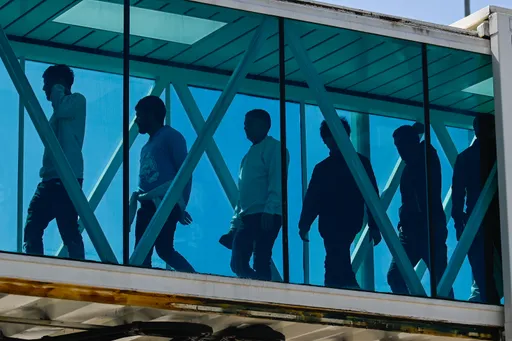
Around 70,000 migrants have left the Spanish enclave of Ceuta after last week's unprecedented mass border crossing, Spain's interior minister has said, as authorities continued searching for missing people and political tensions grew over the government's handling of the crisis.
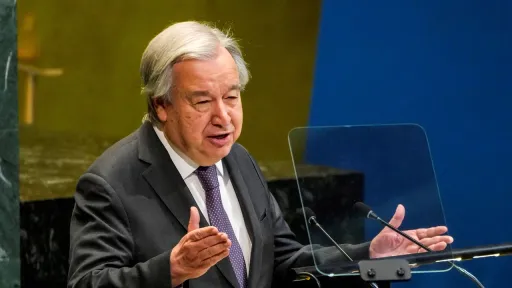
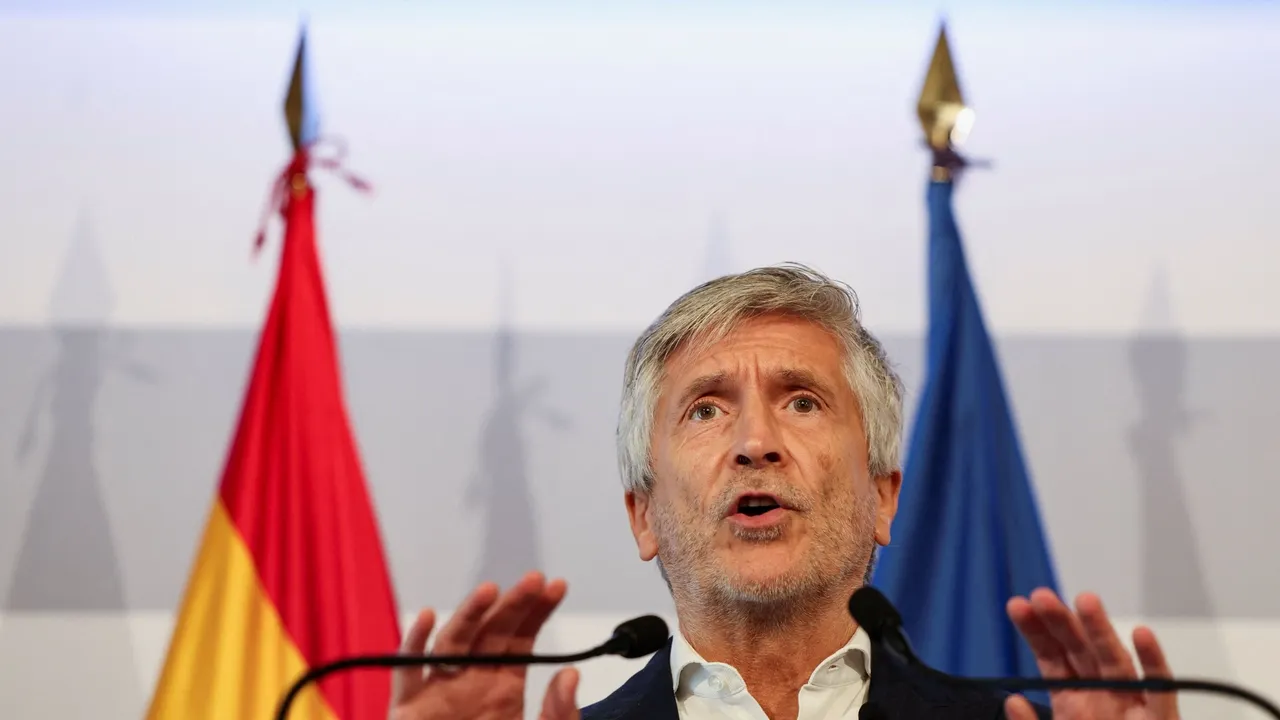
Interior Minister Fernando Grande-Marlaska said on Tuesday that about 72,000 migrants entered Ceuta during the mass crossing from neighbouring Morocco, while around 70,000 had since returned.
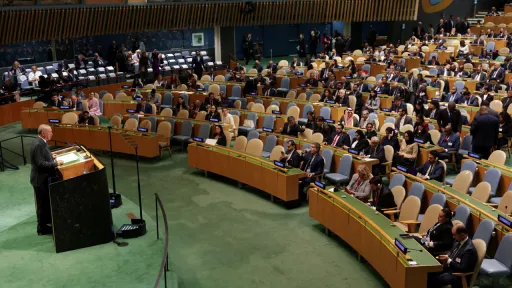
"We are in the process of resolving the legal status of those who remain in Spain, and those who are not entitled to stay will be returned in accordance with Spanish and international law," he said after an extraordinary meeting of European Union interior ministers.
The minister also confirmed that the official death toll had risen to 75 after three more bodies were recovered.
"These 75 deaths are the consequence of criminal mafias that traffic in the most vulnerable people and show no regard for human life," he said, calling for stronger international cooperation against human trafficking networks.
Grande-Marlaska said EU ministers praised Spain's response to the crisis and stressed that close cooperation with Morocco had been key to the return of the vast majority of those who arrived and to preventing an even greater humanitarian disaster.
He said ministers also agreed on the need to tackle online disinformation, arguing that false information circulating on social media helped fuel the mass crossing and endangered lives by encouraging people to attempt the journey.
Spain remains committed to fighting irregular migration while supporting "safe, legal and orderly migration," he said.


The Civil Guard opened a special office in Ceuta on Tuesday to receive missing-person reports from relatives of migrants who disappeared during the crossing. Police told Spanish daily El Pais that around 44 people are still missing.
Authorities in Ceuta also said they are currently caring for around 1,000 unaccompanied migrant children who remain in the enclave after the crossing. The Spanish government has also announced an additional $29 million in emergency funding to support their care.
But despite Grande-Marlaska’s positive summary of Tuesday's meeting of interior ministers, the crisis continues to face fierce political criticism both in Spain and abroad.
On Tuesday, Manfred Weber, chairman of the European People’s Party (EPP), blamed Spain’s liberal approach to migration for the crisis and the deaths around the border.
The Spanish Popular Party's delegation in the European Parliament accused Prime Minister Pedro Sanchez's government of endangering Spain's and the EU's external borders and secured a parliamentary debate on the crisis for September.
Far-right Vox leader Santiago Abascal on Tuesday described the crossing as an "invasion" and accused the government of encouraging irregular migration and failing to defend Spain's sovereignty.
Grande-Marlaska also urged Italy to reconsider its decision to reintroduce border controls with Spain over the crisis, saying the Schengen area had not been compromised because Ceuta operates under a special border regime and migrants had not moved on to Europe.