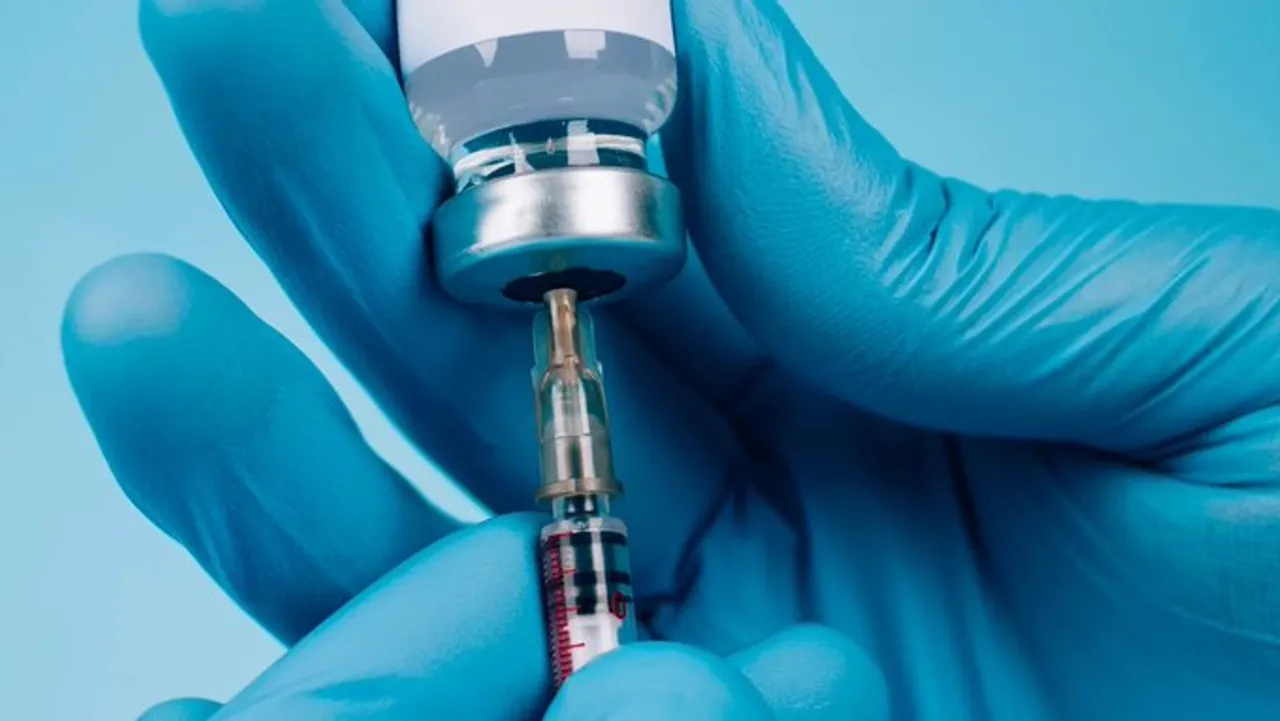
Researchers in the Democratic Republic of Congo said on Tuesday they have started enrolling participants in a trial testing Gilead Sciences' experimental antiviral obeldesivir as a post-exposure treatment for the ongoing Bundibugyo Ebola outbreak in DR Congo and Uganda.
DR Congo's National Institute for Biomedical Research among other international agencies are leading the trial in Ituri province, the epicentre of the outbreak.
The trial is designed to assess whether post-exposure treatment can reduce the risk of developing Ebola infection after contact with the virus.
The study aims to enroll about 1,000 people aged 12 years and older, who had high-risk exposure to a confirmed Ebola case within the previous five days but have not developed symptoms.
Daily monitoring for 21 days
Participants will be monitored daily for 21 days, with a final follow-up at 42 days.
Obeldesivir has shown activity against filoviruses, including the Bundibugyo Ebola virus, in pre-clinical studies.
Gilead said it has donated 2,400 bottles of obeldesivir and 2,000 vials of remdesivir to support the trial.
The project has received initial funding of 3.4 million euros ($3.87 million) from the Global Health EDCTP3 partnership supported by the European Commission, and $1 million from the Africa Centres for Disease Control and Prevention.
Nearly 2,000 confirmed Ebola cases in DR Congo
Africa CDC also helped secure an additional $5 million in funding commitments from South Africa and the Democratic Republic of Congo.
The study also includes a separate compassionate-use protocol under which Gilead's injectable antiviral remdesivir would be given to children under 12 years and pregnant or breastfeeding women exposed to the virus.
The outbreak has led to 1,963 confirmed cases in DR Congo, including 719 deaths, according to government data.