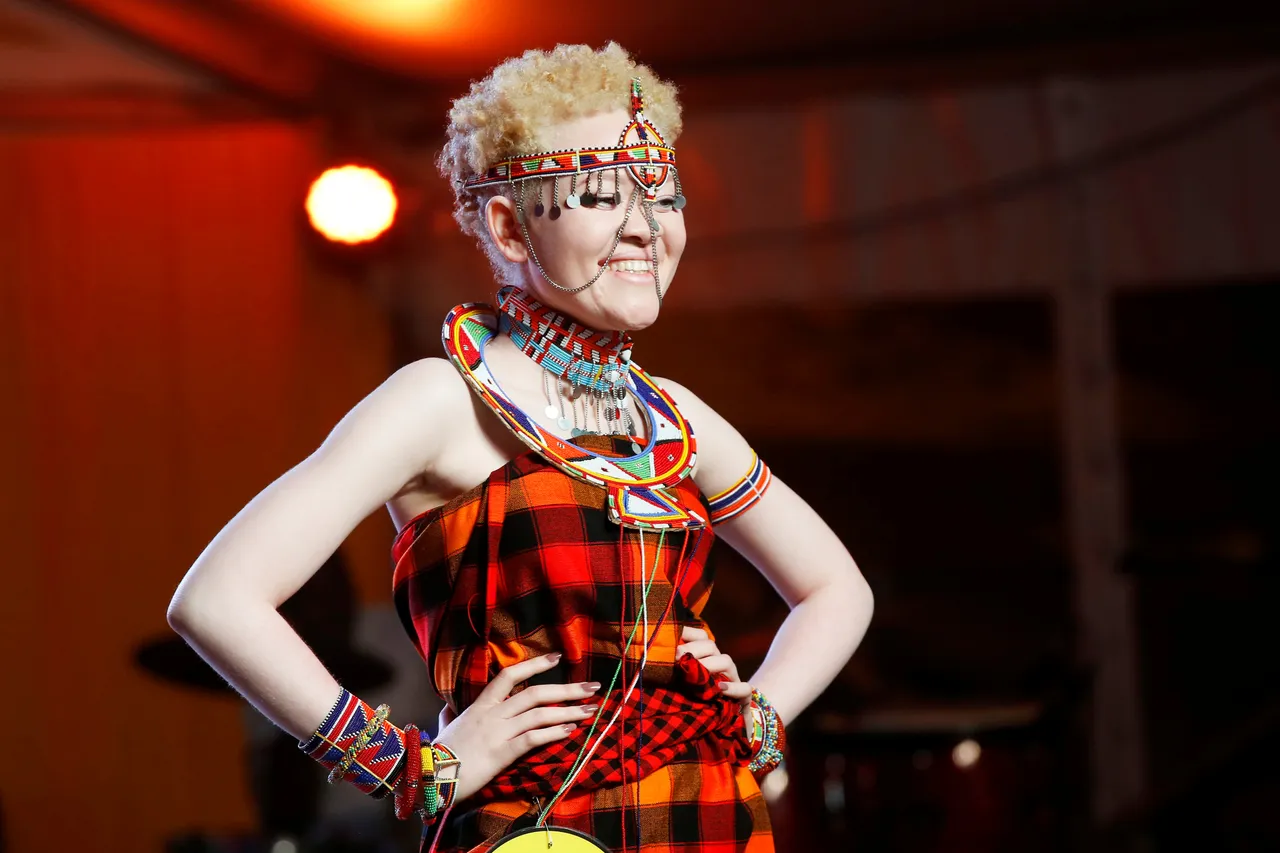
As the world marked International Albinism Awareness Day on June 13, advocates called for a shift in how society views people with albinism—from victims in need of protection to citizens whose talents, ambitions and achievements deserve recognition.
For decades, discussions around albinism have focused on the dangers faced by those living with the condition. In parts of Africa, myths and misconceptions have fuelled discrimination, social exclusion and, in some cases, deadly attacks.
At the same time, limited access to healthcare has left many vulnerable to preventable illnesses, particularly skin cancer.

‘’Unfortunately today there is still several beliefs that are quite widespread in communities,’’ Chiara Retis, Technical Officer for Disability and Rehabilitation- WHO Africa, tells TRT Afrika.
‘’For example the belief that being born with Albinism is a punishment or a curse or that Albinism is contagious which is not true because albinism is a genetic condition and not communicable. There are others who believe that people with Albinism have special powers both in a positive or negative way. And also that their body parts are magical which sometimes leads to very violent attacks to acquire those parts,’’ she adds.
But experts say the conversation is beginning to evolve.
“Awareness is important, but inclusion is the ultimate goal,” says Chiara. “People with albinism should not only survive—they should have the opportunity to thrive.”
Health challenges
Albinism is a rare, inherited genetic condition that affects the production of melanin, the pigment that gives colour to the skin, hair and eyes. The condition occurs in all racial and ethnic groups around the world, but is more common in some parts of sub-Saharan Africa than in many other regions.
Despite growing awareness campaigns, people with albinism continue to face significant health challenges. The lack of melanin leaves them highly vulnerable to damage from ultraviolet radiation. Without adequate protection, prolonged sun exposure can lead to severe skin damage and significantly increase the risk of skin cancer.
Health experts warn that skin cancer remains one of the leading causes of preventable death among people with albinism in many African countries. Yet access to sunscreen, protective clothing, regular screenings and specialised medical care remains limited in many communities.
Advocates argue that these challenges are not simply medical issues but questions of public policy. Many are calling for governments to classify sunscreen as an essential healthcare product and to integrate albinism-related services into national health systems.

‘’In September 2025 WHO endorsed use of essential medicine, which means sunscreen to protect the skin among the essential products and essential medicines listed for children as well. This is a very important achievement because it asks member countries to adapt and adopt this resolution and add sunscreen products as essential medicine. This means they will be provided free of charge,’’ Chiara tells TRT Afrika.
Beyond healthcare, another challenge persists: misinformation.







For generations, myths surrounding albinism have contributed to stigma and discrimination. In some communities, children with albinism are excluded from schools, while adults encounter barriers to employment and social participation.
Human rights organisations have documented cases where harmful beliefs have placed people with albinism at risk of violence.
Signs of progress
Across Africa and beyond, people with albinism are increasingly breaking barriers in public life. They are serving as government officials, lawyers, teachers, journalists, academics, entrepreneurs and human rights advocates.
Their growing visibility is helping challenge stereotypes and demonstrate that albinism does not limit a person’s potential.
For many campaigners, these success stories are just as important as discussions about health and protection.
They point to young students excelling in schools, professionals leading businesses and advocates influencing policy as evidence that opportunities—not limitations—should define the future of people with albinism.
This year’s International Albinism Awareness Day therefore comes with a broader message: awareness alone is not enough.
Experts say governments must improve access to healthcare, strengthen legal protections, combat discrimination and invest in education. Communities, meanwhile, have a role to play in challenging harmful myths and creating environments where people with albinism can participate fully in society.

Human diversity
The ultimate goal, advocates say, is a world where albinism is no longer viewed through the lens of fear, pity or misunderstanding.
Instead, it should be recognised as one aspect of human diversity—one that does not diminish a person’s right to safety, dignity, opportunity or success.
For millions living with albinism around the world, that shift may be the most important step of all.