 Sylvia Chebet
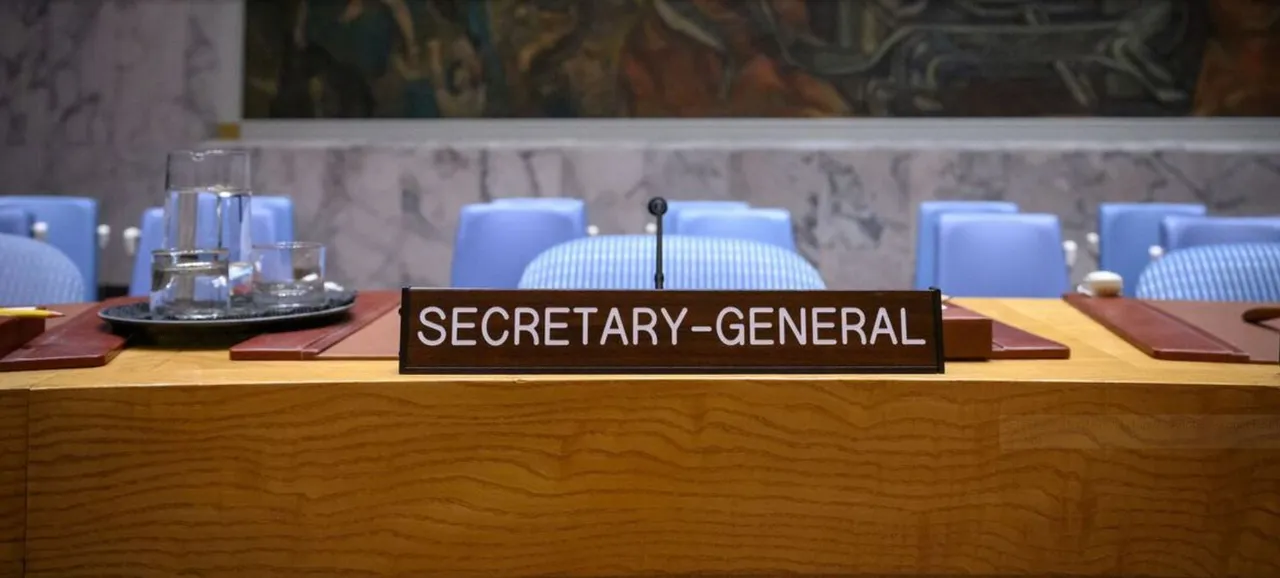
The race to succeed UN Secretary-General António Guterres is now down to four candidates—Rafael Grossi, Argentine head of the International Atomic Energy Agency; former Chilean president Michelle Bachelet; former Costa Rican vice president Rebeca Grynspan; and former Senegalese president Macky Sall—from whom the next UN chief is expected to be chosen.
During the three-hour hearing on Wednesday April 22, the four contenders faced representatives from the 193 member states, each pledging to continue reforming the organisation, whose stature has diminished in recent years.
Although there is no formal regional rotation system for the selection of the next Secretary-General, some argue it is Latin America’s “turn.” “The last time that region held the position was about 35 years ago,” political analyst Ovigwe Eguegu tells TRT Afrika.
Geographic rotation
Macky Sall is the only candidate from outside Latin America, as well as the only one who has never held a position within the UN system.
During the hearing, he outlined a reform agenda centred on preventive diplomacy and leaner institutional structures.
“Now is the time to do better with less,” Sall said, with the aim of creating “a revitalised organisation that is able to see that its brightest days are ahead of it.”
He said global crises—including intensifying geopolitical rivalries, violent conflicts, climate threats, inequality and migration—were “not cyclical” but structural in scale and severity, requiring a more effective and united international response.
The 64-year-old entered the race nominated by Burundi, the current chair of the African Union, but struggled to secure the bloc’s formal endorsement, with 20 member states, including his own country, objecting to the decision.
Despite this setback, the geologist-turned-politician’s ambition for the UN’s top job remains undiminished, given that a candidate needs the backing of just one UN member state to stand. However, analyst Eguegu says this “complicates things significantly.”
Sall pledged to act as an impartial leader focused on easing tensions and bridging divides between nations, cultures and regions. He also pushed for the allocation of two permanent seats on the Security Council to Africa.
First female UN chief?
In 80 years since the founding of the UN, there have been nine Secretaries-General, but a woman has never held the post
Costa Rica’s former vice president Rebeca Grynspan, who heads the UN Conference on Trade and Development (UNCTAD), is seen as a formidable contender.
“I am not waiting for special treatment. I want equal treatment,” she told the Reuters news agency.
Born to parents who fled Europe after the Second World War, the 70-year-old links her worldview directly to the origins of the UN and its role in preventing conflict and international cooperation.
During the public hearings, she pledged to make peacemaking her top priority. She outlined a hands-on approach that emphasises early engagement, direct dialogue and close co-ordination with the Security Council, and the 193 UN member states.
“I will be a peacemaker. I will land before conflicts erupt, be the first to pick up the phone. I will travel to where the wars are. I will speak to every party. I will work with the Security Council, with the member states, and will mediate among the mediators,” Grynspan said.
The economist believes that diplomacy often requires persistence in the face of repeated setbacks.
“The biggest risk for the United Nations,” Ms Grynspan said, “is not trying.”
Former two-time President of Chile and former UN High Commissioner for Human Rights Michelle Bachelet also aims to become the first woman to lead the UN in its 8-decade history.
Bachelet, 74, who also headed the UN Women from 2010-2013, told the plenary that the real challenge is not just responding to crises but preventing them.


Her vision emphasises on early intervention through stronger warning systems, sustained engagement with regional figures and what she described as “quiet diplomacy”, conducted away from public pressure.
“My own vision was born of the difficult and sometimes improbable miracle of dialogue, even when all odds are against it, I know it can deliver because I have seen it transform the impossible into achievable,” Bachelet said.
“We must reconnect with the peoples of the world. Restoring credibility requires delivering results, effective results, supporting peace and security, advancing sustainable development and defending human rights efficiently and impartially."
In March, Chile withdrew its backing following a change in leadership, but she continues her campaign with the support of Brazil and Mexico.
Her candidacy has also drawn criticism from some Republican politicians in the US, who have urged Washington to veto her bid over her support for abortion rights.
Bachelet says she “will always be by the side of women" and that if she is selected, she would focus on ensuring that existing UN commitments on women’s rights are carried out in practice.
Security Council politics
The Secretary‑General is appointed by the 193‑member General Assembly on the recommendation of the Security Council.
“Whoever can secure the support of all five permanent members—the United States, Russia, China, the United Kingdom and France—wins,” according to Eguegu.
The disagreement of the P5 and gridlock in the Security Council over recent crises in Gaza, Ukraine and now Iran has shown how difficult the task ahead could be.
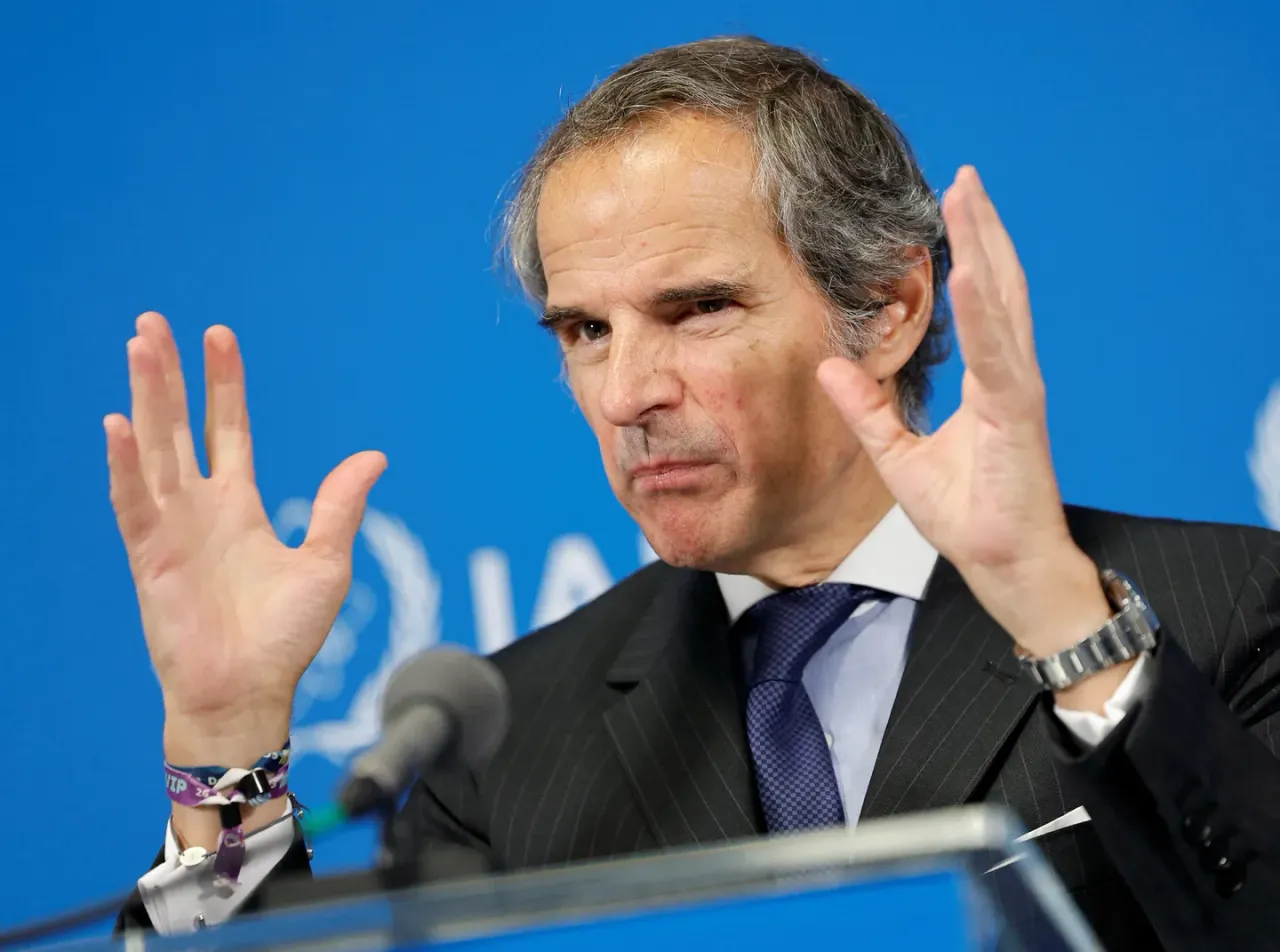
Argentina’s Rafael Grossi, a career diplomat who has led the UN nuclear watchdog, IAEA, for the past six years, is seen as a frontrunner, having spent years navigating relations with the P5 members of the UN Security Council.
“There are enormous, huge doubts about our institution,” Grossi told member states, referring to widespread concerns over the UN’s effectiveness, efficiency and ability to deliver meaningful results.
He said that a world marked by intensifying conflict, polarisation and geopolitical rivalry has increased scrutiny of the world body’s role, particularly as it appears to be sidelined from key decisions.
“Where is the UN?” the 65-year-old asked.
Grossi who speaks English, Spanish, French and Italian, acknowledged that reform efforts were under way but warned they were not enough.
The UN, he said, was not created to deliver “messages from an ivory tower”, but to “solve problems on the ground".
Tehran however accuses the IAEA chief of facilitating US and Israeli strikes on Iran’s nuclear facilities.
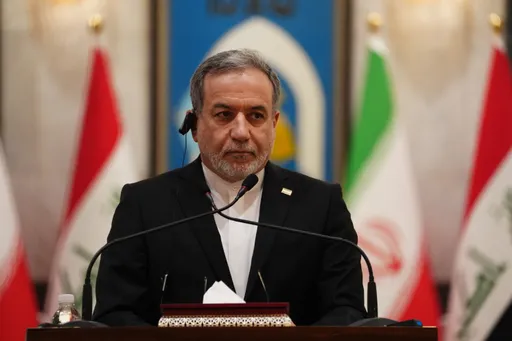
“Through this malign action, he directly facilitated the adoption of a politically-motivated resolution against Iran by the IAEA BoG as well as the unlawful Israeli and US bombings of Iranian nuclear sites, ”Iranian Foreign Minister Abbas Araghchi wrote on X.
Analysts say the next UN Secretary-General could be “one of the most consequential” in decades, with the successful candidate inheriting a formidable set of challenges. “The world is facing a multidimensional crisis—wars, climate change, food insecurity—as well as the fragility of multilateralism,” Eguegu tells TRT Afrika.
“So the next Secretary-general must demonstrate diplomatic gravitas and administrative competence. This would be needed to boost global confidence and trust in the UN system amongst the global majority. Also of equal importance is persuading the major powers to fund the operation of the UN.”
The 15-member Security Council is expected to discuss the candidates behind closed doors in July before the UN General Assembly formally confirms the appointment later in the year.