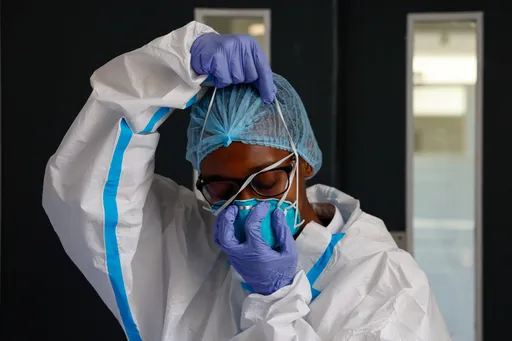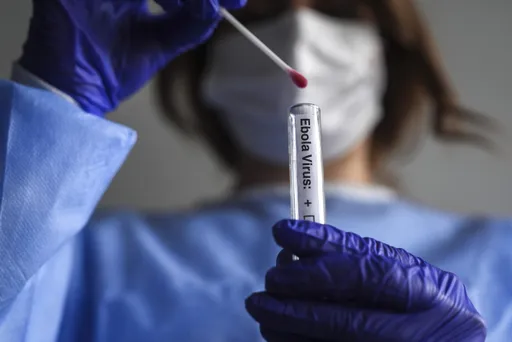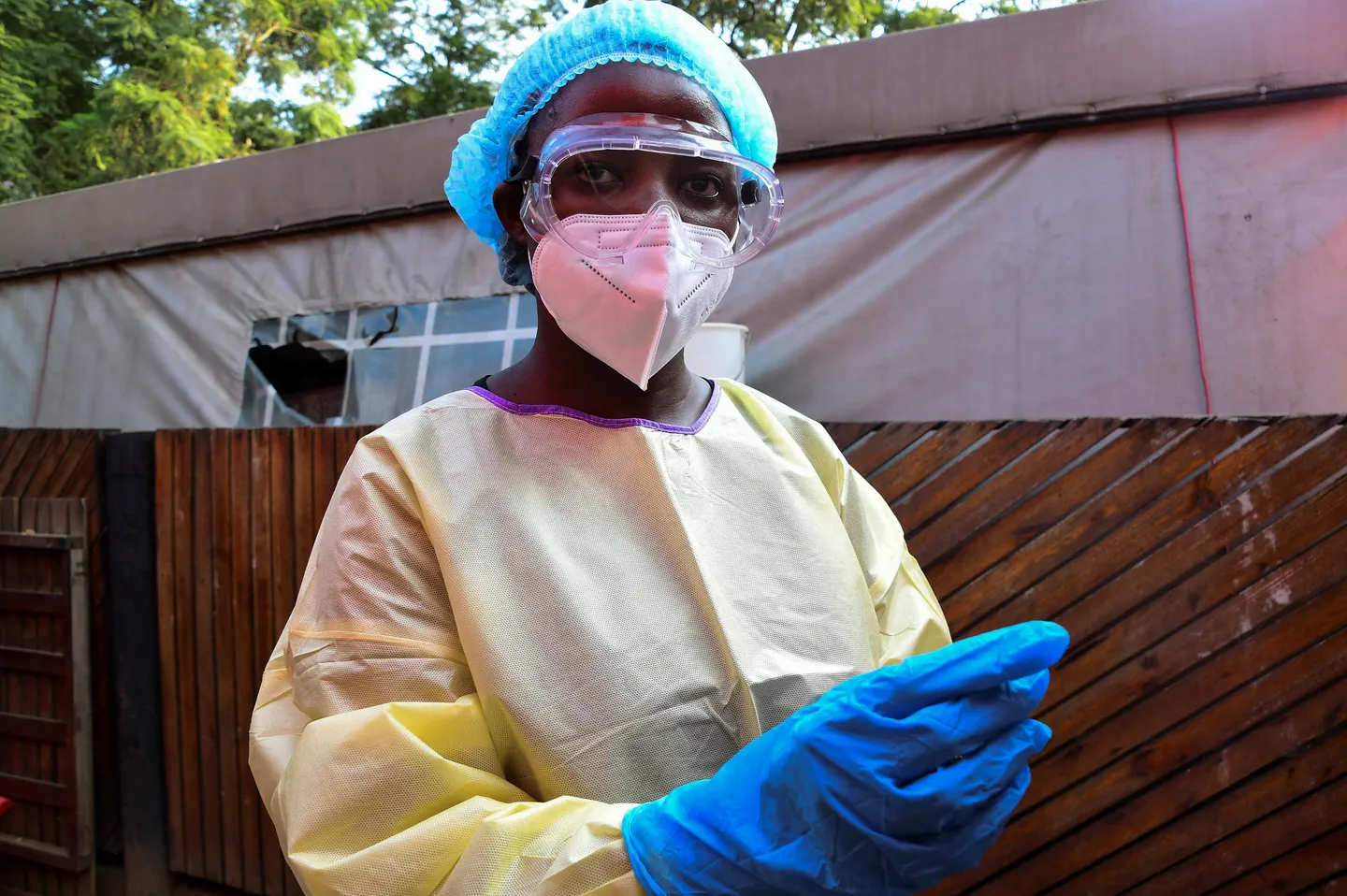
Amina, whose real name we have withheld to protect her identity, made up her mind to take part in a clinical trial for a new Ebola treatment in the Democratic Republic of Congo (DRC).
For her, the decision was personal. She had lost her uncle to the deadly virus, and the experience left her determined to do something that could help others facing the same threat.
“What motivated me to take part was the death of my uncle. When he died, the results were positive (for Ebola). Since I was a contact case with him, this motivated me to come here.”
Amina is among 250 people who have agreed to participate in the trial, taking a chance on an experimental treatment in the hope that it could help fight a disease that has claimed thousands of lives.
Offer hope
For participants like her, the decision is about more than the possibility of receiving a new vaccine. It is also about contributing to research that could offer hope to others.
But what does it take for a new vaccine or medicine to reach the stage where it can be tested on human beings? And how do scientists ensure that the people who volunteer are protected?
According to the World Health Organization (WHO), the process begins long before the first human participant is enrolled.
Scientists first conduct laboratory research to establish whether a potential treatment or vaccine has a reasonable scientific basis.
“What we first do as scientist is we test the idea in the laboratory, this could happen with cells. We look to see, if it is a virus for example we look to see whether the medicine can stop the virus from multiplying,” says Dr Reena Doshi, an Epidemiologist with the World Health Organization.
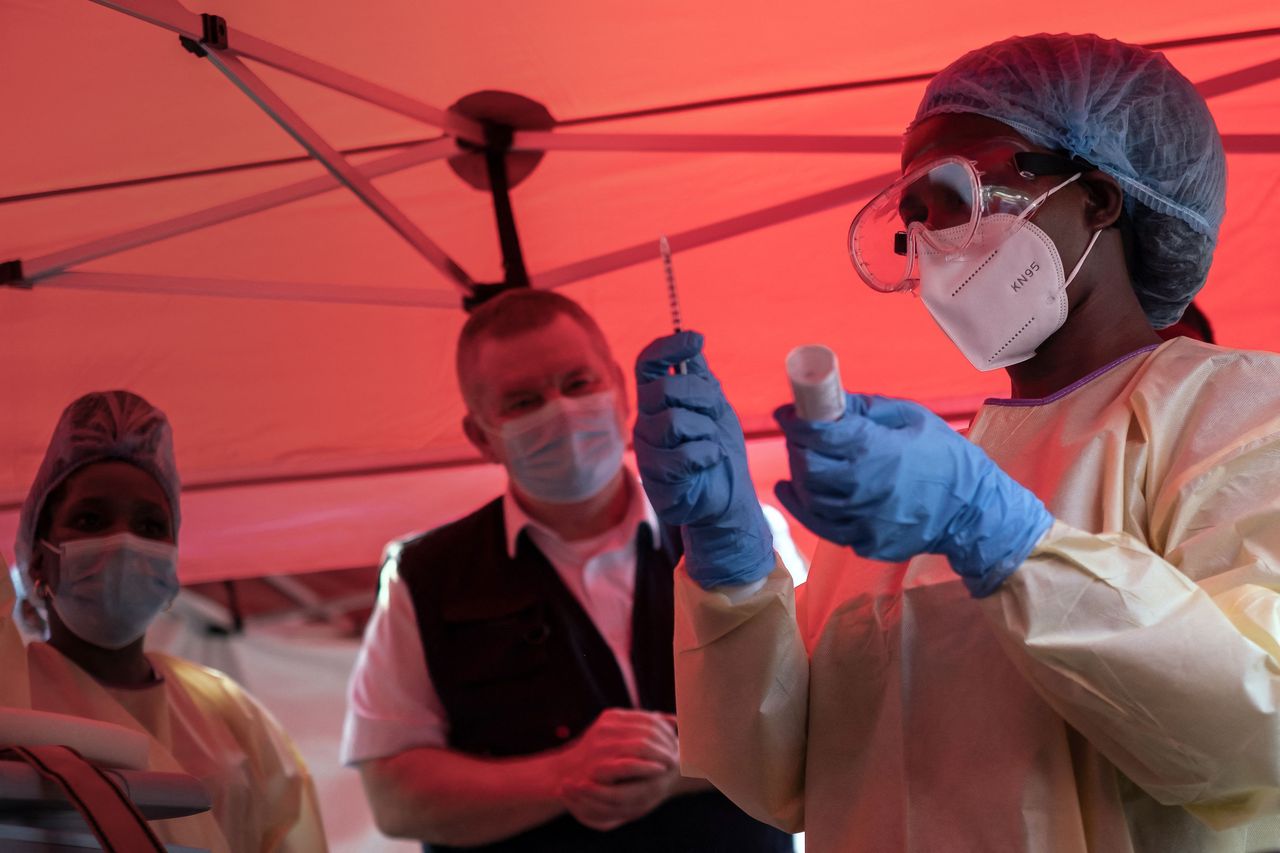
“Whether the vaccine can stop the virus from multiplying or whether it produces antibodies and whether these antibodies can stop that virus.” She tells TRT Afrika.
This is known as pre-clinical research. It helps researchers establish whether an idea warrants further investigation before they consider testing it in humans.
But promising laboratory results alone are not enough to begin a clinical trial.
Clinical trial protocol
Researchers must first develop a detailed clinical trial protocol, setting out what they want to find out, how the study will be conducted, the potential risks and benefits, and the measures that will be used to protect participants.
An independent ethics committee must also review and approve the study.
Even after these steps, not everyone who volunteers will necessarily be allowed to participate.
Researchers establish specific eligibility criteria based on the purpose of the study.
“There are clear rules when you are writing a study protocol about who should participate. It might include specific age, if we are looking for something for children or might include a specific health outcome, for example cancer patients. It really depends on the treatment, whether it is a medicine or vaccination and many other factors.”
“Also volunteering doesn’t automatically mean you will be enrolled because you have to meet those pre-defined criteria,” Dr Doshi tells TRT Afrika.

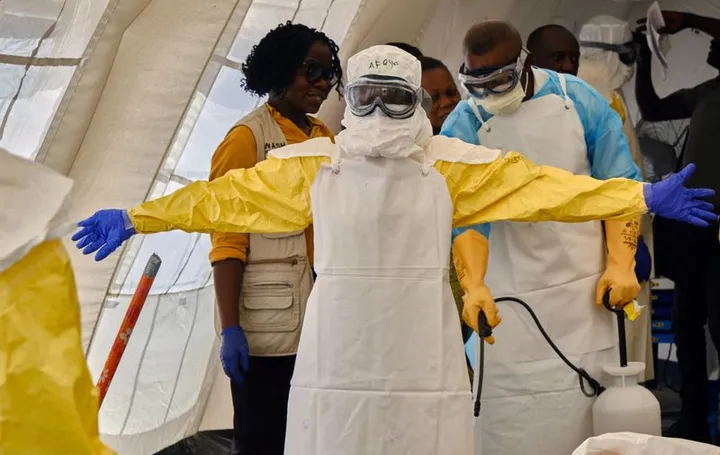


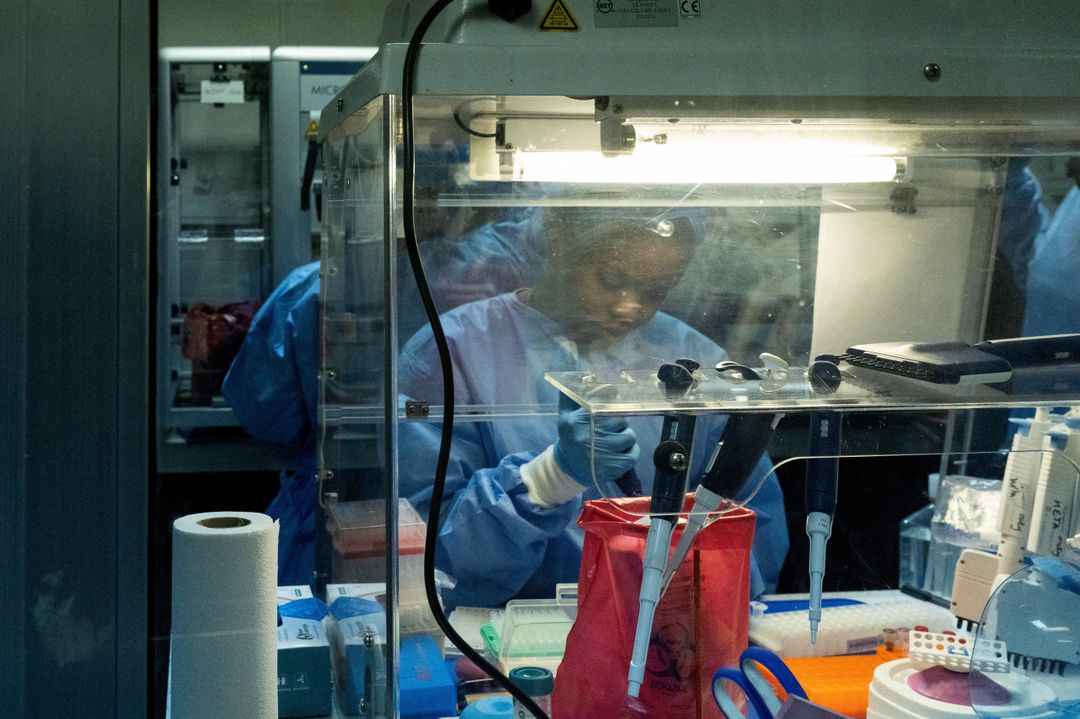
These safeguards are particularly important when a trial involves a disease such as Ebola, which can cause severe illness and death.
Question of race
They also help address questions about why some clinical trials are conducted in African countries, and whether race plays a role in deciding who participates.
Dr. Doshi says race should not determine eligibility. Instead, the location and prevalence of a disease can influence where researchers need to conduct their studies.
“Race should not have any influence on the trial,” she explains.
“The challenge with some of these rare diseases, for example Ebola and BVD, is even rare species of Ebola. This is only the third outbreak that we are aware of and all of those outbreaks have occurred in Africa. So, sometimes we have to test new medicines, new vaccines in areas where you have the actual cases of that disease, and in this case it is in the African populations where the disease is localised and in this case it’s the DRC.”
Back in the DRC, the participants in the Ebola vaccine trial are hoping their involvement will bring scientists closer to finding a way to tackle the disease.
No guarantees
Jacques Zawadi, an investigating physician involved in the EBO-PEP drug trial, says the participation has brought a sense of hope.
“The overall feeling of the participants is satisfaction, because this gives hope. To identify a medication, to treat a disease that does not have medication, this gives hope. Most of the participants are happy to be with us and to be able to benefit from this treatment, although it is still a trial”
But clinical trials are not guarantees of success. An experimental vaccine or treatment may prove ineffective or reveal risks that were not previously known. The purpose of the research is to establish, through carefully monitored studies, whether it is safe and effective.
Participating in human clinical trials remains a crucial phase in research but many are still skeptical to volunteer.
But for Amina and others like her, that decision began with a deeply personal loss. What researchers learn from their participation could help shape the response to future outbreaks.