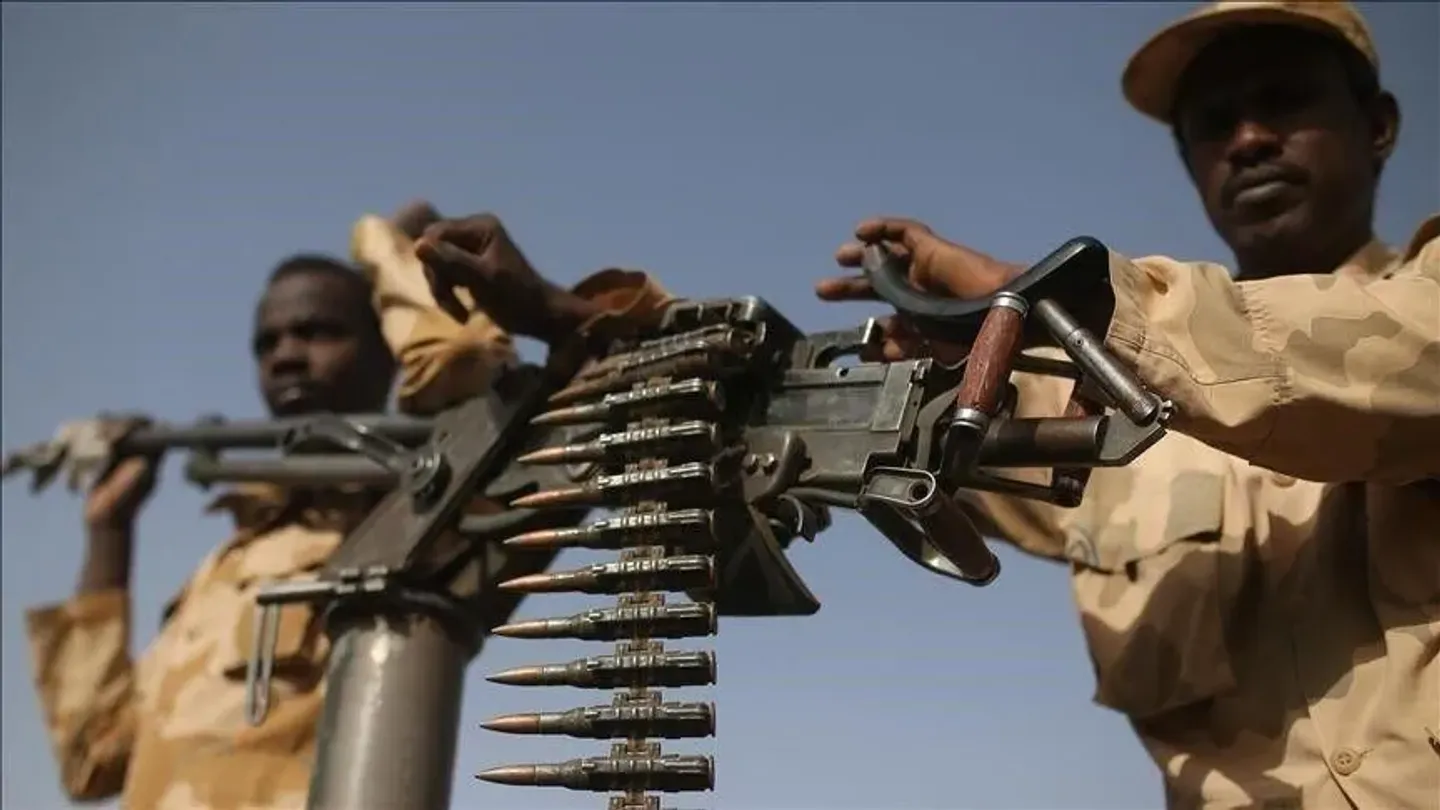
United Nations experts have found that Boeing 727s linked by Reuters to a US military contractor's business network transported mercenaries, weapons and drones for Sudan's Rapid Support Forces, according to a draft UN report due to be published in September.
The findings provide additional important details about the role the aircraft played in supporting the RSF, the paramilitary force UN investigators have accused of committing genocide in Sudan's Darfur region.
"The Panel received reliable information from four sources that the aircraft had transported RSF fighters and mercenaries, as well as military equipment, including drones and weapons," the report said.
It cited two eyewitnesses in Nyala, the RSF's main military and logistics hub in Darfur, and communications from two member states as sources of the information, without giving further details.
US government contractor
A Reuters investigation published on July 15 traced three aging Boeing aircraft operated by companies linked to Steven Shaulis, a former US Army Special Forces soldier and longtime US government contractor, from an airport in Chad to logistics hubs used by the RSF in Sudan, Libya and Somalia.
Reuters reported that one of the planes – a Boeing 737 – had RSF fighters onboard when it was destroyed in May 2025, but much remained a mystery about the planes' cargo.



The news agency found no evidence that Shaulis or his companies had been sanctioned or accused of wrongdoing by authorities.
Shaulis did not respond to questions about the UN report. He previously declined to answer queries about his companies or the Boeing planes. The RSF did not respond to comment requests.
Darfur arms embargo
The UN report reviewed by Reuters was compiled by the Panel of Experts on the Sudan, a group mandated by the Security Council to monitor an arms embargo imposed on Darfur in 2004. The draft report has been submitted to the Security Council for review ahead of publication.
Sudan's civil war started in 2023 when leaders of the army and the RSF fell out over plans to integrate their forces during a failed transition to civilian government.
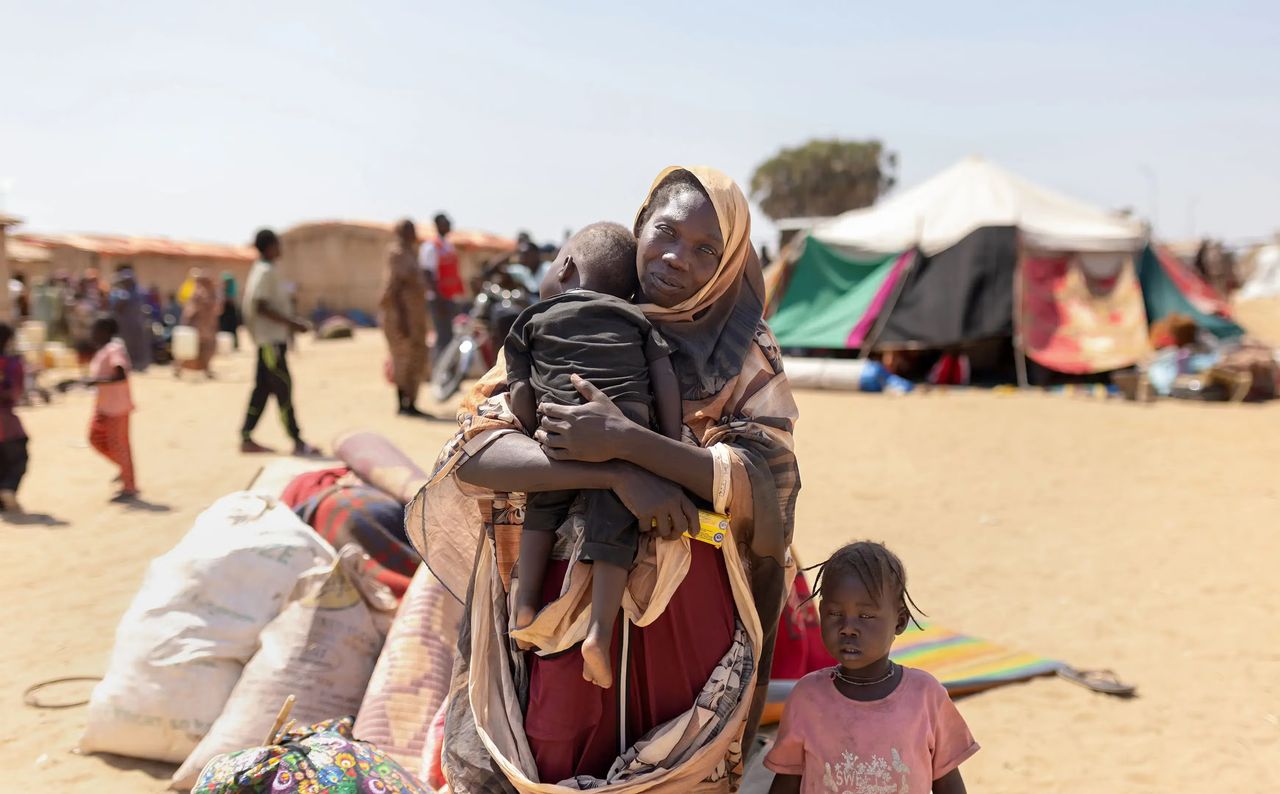
The death toll since is estimated in the hundreds of thousands and the fighting has worsened famine and disease, creating what the U.N. calls the world's worst humanitarian crisis.