 Pauline Odhiambo
The first time Rose Nantongo saw him, the boy was curled beneath a coffee tree, his fingers swollen, his lips cracked from thirst. He had been sorting beans since four in the morning. He was eight years old. His name, she would later learn, was Joseph.
Rose is not a social worker. She is not a government official. She is a mother of four who volunteered to become something else entirely: a para-social worker, trained to spot the invisible wounds of child labour in Uganda’s Kalungu district.
On that morning, she carried Joseph to a local health centre, made a report to the sub-county Community Development Officer, and sat with his grandmother until the woman agreed to send him back to school.
“When a child is at risk, we are often the first to know,” says Muhammad Ssempa, a coffee farmer from Kyamulibwa Town Council and chairperson of the para-social workers in Kyamulibwa sub-county. “When I started to work as a para-social worker, many people did not fully understand what child labour meant. It was common for children to be involved in harmful work, especially in rural areas.”
Ssempa is one of 122 para-social workers trained in July 2024 under the CLEAR Supply Chains project, an initiative supporting community-based child labour monitoring in Kalungu District, one of Uganda’s leading coffee-producing areas. By the end of 2025, they had visited 12,452 households and reported 601 cases of child labour. Each case is a child like Joseph.
Over 6 million child workers
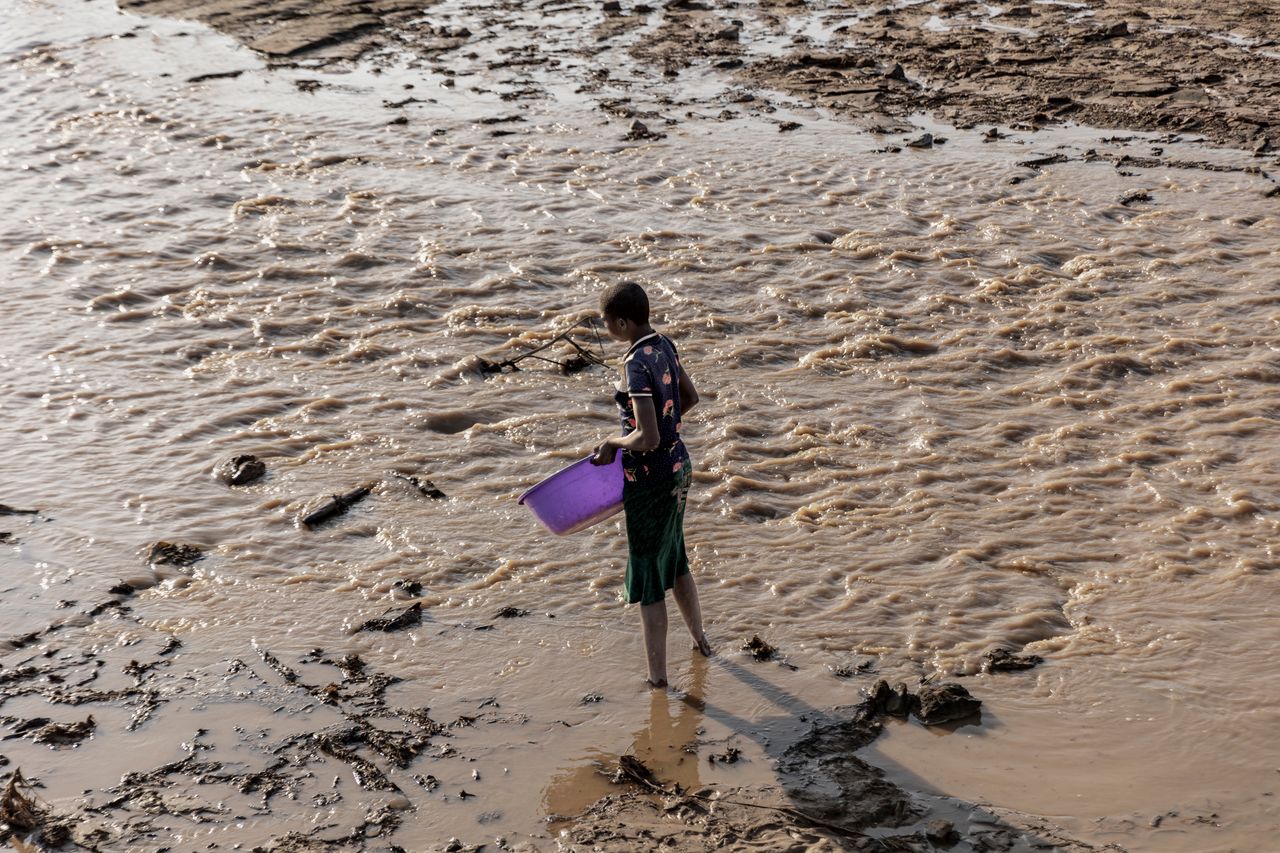
Three kilometres from where Rose found that boy, another story haunts the community. Fourteen-year-old Grace was pulled out of school last season when her aunt fell ill. Now she spends her days drying coffee on tarpaulins, her back bent, her lungs thick with dust. Her aunt loves her. Her aunt also believes that work builds character.
“Many parents are not fully aware of the risks and long-term impact of child labour,” Ssempa explains. “Through dialogue and counselling, we help them understand the importance of keeping children in school and protecting their wellbeing.”
Ssempa has sat with many parents in the region – many of them with the mindset of Grace’s aunt – to patiently explain to them that a child out of school is not learning, not safe, and not free.
Grace is now back in school. But not every story ends so swiftly.
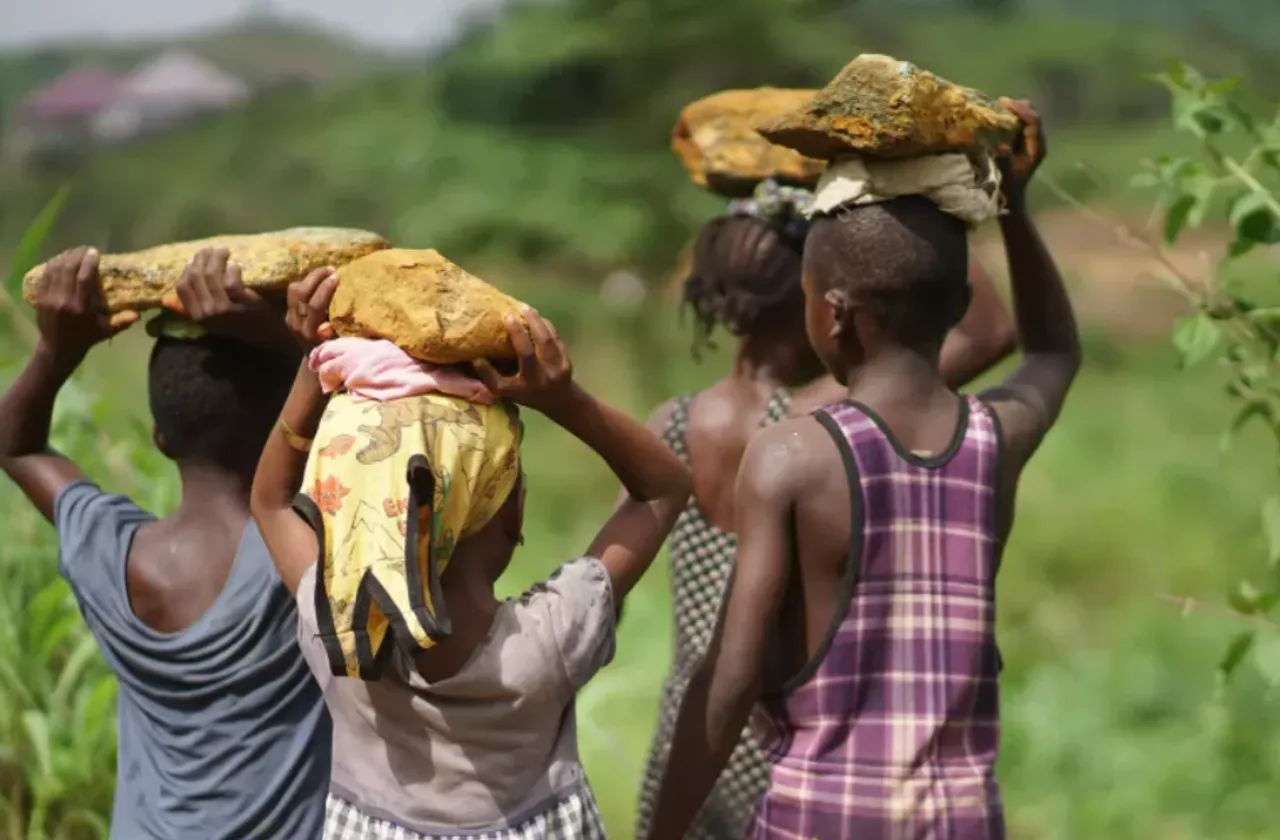
Across Africa, child labour remains a crisis of staggering proportions. According to the International Labour Organization (ILO), approximately 72 million children are engaged in child labour across Africa, with agriculture accounting for more than 70 percent of cases.
In Uganda alone, a 2020 Uganda National Household Survey found that over two million children aged 5 to 17 are involved in economic activities, many under hazardous conditions. In 2025, the numbers surged to 6.2 million children – nearly one-third of all children – according to data by the Ministry of Gender.
The numbers, however, do not capture the morning Rose found Joseph under that coffee tree.
“Most of the information we receive comes directly from the community,” Ssempa says. “Sometimes parents, neighbours, or local leaders report cases to us. In other instances, children themselves reach out. We also move around the community, observing and recording information for easy follow-up.”





Once a case is identified, para-social workers engage directly with families. When dialogue fails, they refer cases to the sub-county Community Development Officer, the District Senior Probation and Welfare Officer, or even the police.
“This referral mechanism has made our work more effective. We are no longer working alone. We are part of a broader system that supports children and families.”
Back to school
The shift in mindset has been slow but unmistakable.
“Over time, things have started to change thanks to our community awareness raising,” Ssempa says. “Today, more families are beginning to prioritise education. Community members appreciate and recognise our role, and increasingly report cases to us voluntarily. This growing trust is one of the most important results of our work.”
The CLEAR Supply Chains project has provided multiple trainings on child protection. The Community Development Officer and the Senior Probation and Welfare Officer actively support para-social workers by reviewing cases and providing mentorship. Police now recognise the role of para-social workers, helping address child rights issues within the district.
“We are the first line of response in our communities,” Ssempa says, “and with the right support, we can ensure that every child is protected and given a chance to stay in school.”
In Kalungu District, that future is no longer a dream. It is a boy in a school uniform. It is a para-social worker who refused to look away.
Today, Rose Nantongo walks the same paths she always has, but now she carries a notebook. She has helped twelve children return to school. She has counselled dozens of parents. And every morning, she passes the coffee tree where she found Joseph.
He is in third grade now. His fingers still bear faint scars. But when he sees Rose, he waves.
“When communities are empowered, when systems are strengthened, and when children are protected, the impact is lasting,” Ssempa says. “Children are able to remain in school, families are more informed, and communities become safer for everyone.”