 Sylvia Chebet
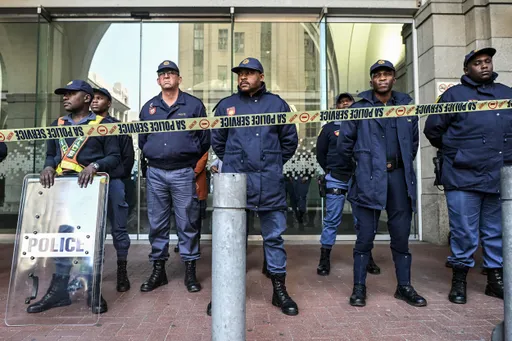
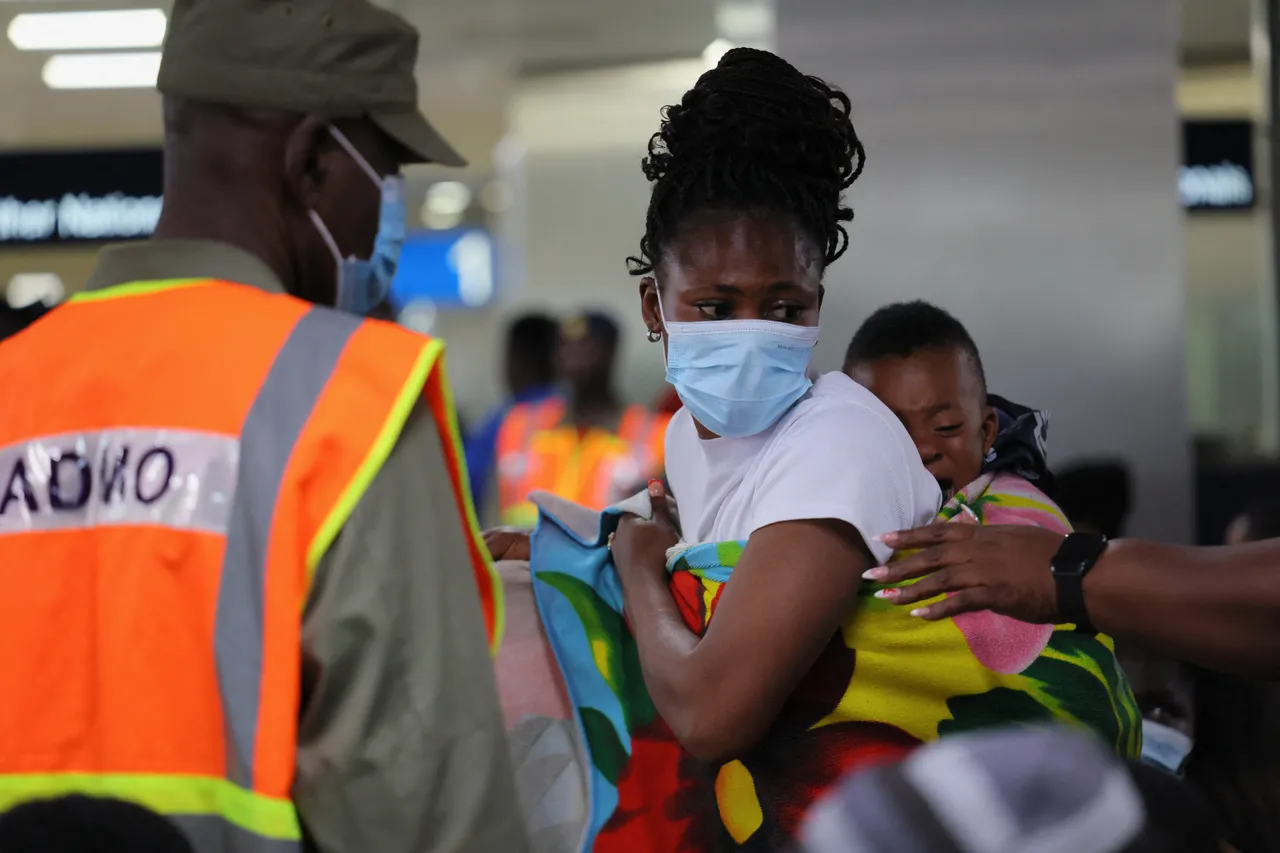
Five Mozambicans dead. Nearly 300 Ghanaians forced to return home. Dozens of shacks reduced to ashes. As anti-migrant tensions flare once again in South Africa, fear is spreading far beyond the country's borders.
For many Africans, the unrest is not only a threat to lives and livelihoods—it is a painful reminder of the widening gap between the promise of African unity and the reality faced by migrants on the ground.
Durban's golden beaches, vibrant Zulu culture and celebrated food scene were supposed to be Kennedy Chileshe's reward after six gruelling months on the campaign trail in pursuit of a parliamentary seat. Instead, rising anti-migrant tensions have forced the Zambian political analyst to abandon those plans.
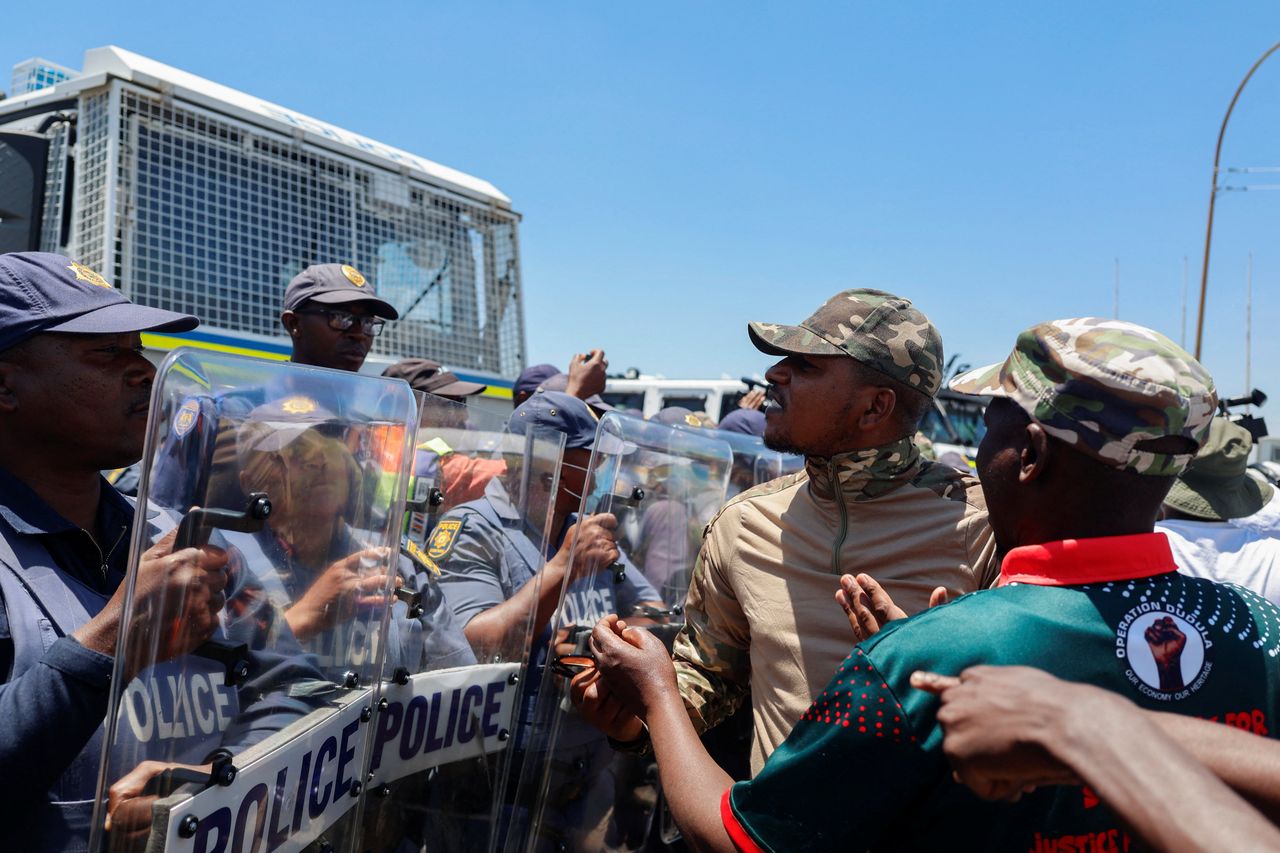
The March and March movement, which describes itself as a citizen-led campaign for immigration reform, has issued a 30 June deadline for undocumented migrants to leave South Africa. Chileshe says he fears protesters are unlikely to distinguish between tourists and workers, or between documented and undocumented migrants.
As anti-migrant sentiment intensifies in South Africa, Africans across the continent are increasingly questioning whether Pan-Africanism remains a living ideal or merely a political slogan. For many, the gap between rhetoric and reality has never been more visible.
For Chileshe, the developments are the latest chapter in a pattern that has steadily eroded South Africa's standing among fellow African nations.
"Recurring anti-migrant incidents have transformed what was once a brotherly relationship into one defined by suspicion and damage control," he says.
The diplomatic fallout has been significant. Following attacks on foreign nationals in 2019, Nigeria recalled its ambassador and threatened to review trade relations with South Africa. In Zambia, citizens organized boycotts of South African brands, including Shoprite, MTN, and MultiChoice.
"Governments now issue quiet travel advisories while smiling together at African Union summits," Chileshe says. "The diplomatic language has shifted from 'home away from home' to 'we will protect our citizens.' South Africa still trades with the continent, but the moral capital it once held as a beacon of Pan-Africanism is largely spent. Trust has been replaced by transactional diplomacy."
Contradiction at the heart of pan-Africanism
South Africa has long projected itself as a champion of African unity, solidarity, and liberation. Yet recurring outbreaks of anti-migrant violence expose what critics describe as a fundamental contradiction.
"South Africa's Pan-African identity becomes a costume — worn at summits and discarded in the townships," Chileshe argues. "The world sees a nation that fought apartheid only to rebuild walls around new outsiders."
For him, genuine Pan-Africanism is measured not by speeches or monuments but by everyday realities.
"True Pan-Africanism is not a statue of Mandela in Sandton. It is a Congolese refugee walking safely through Soweto."
Supporters of stricter immigration controls argue that migrants place additional pressure on public services and compete for scarce economic opportunities. Analysts acknowledge that unemployment, poverty, and inequality contribute to public frustration. South Africa's youth unemployment rate remains among the highest in the world, with nearly one in three young South Africans out of work.
However, Chileshe argues that economic hardship alone cannot explain the hostility.
"Economic pressure creates the tinder, but political scapegoating lights the match," he says. "Germany has migrants and regions with high unemployment, yet you do not see campaigns like ‘Operation Dudula’ in Berlin. The difference is political choice."
According to him, populist politicians have increasingly redirected public anger toward foreign nationals rather than toward corruption, weak governance, or economic mismanagement.
Still a dream
For many Africans who move across borders in search of work, safety, or opportunity, Pan-Africanism remains more aspiration than reality.
"For most ordinary Africans, Pan-Africanism is a ghost," Chileshe says. "Ask a Somali shopkeeper in Johannesburg what Pan-Africanism means, and he may point to a burned store."



"The lived reality is borders, bribes, detention, and the constant humiliation of being called 'Makwerekwere'," he says, referring to a derogatory term often used against foreign Africans in South Africa. "Pan-Africanism is celebrated on Africa Day and ignored the other 364 days."
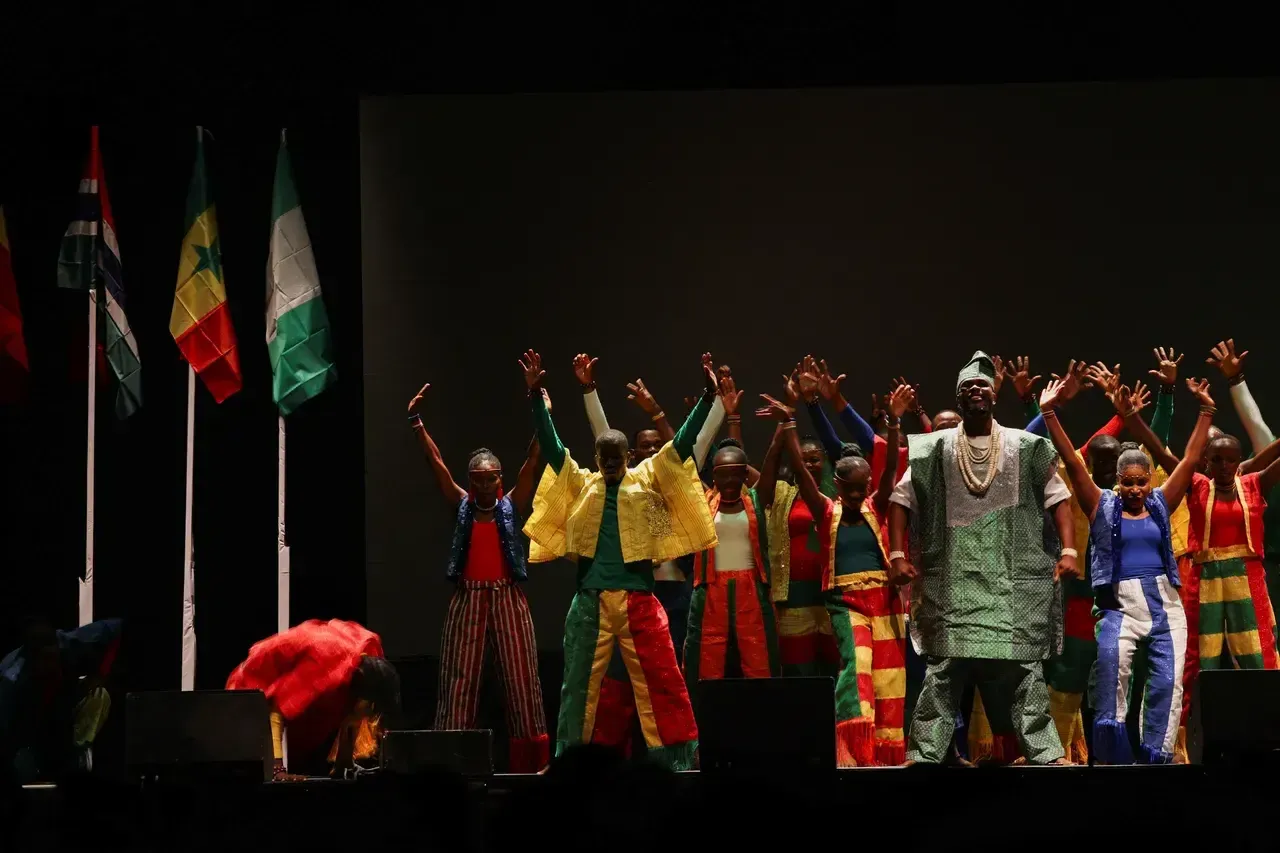
African leaders frequently invoke unity and solidarity during speeches and regional summits, but translating those ideals into meaningful protections for migrants has proved far more difficult.
"The problem is not a lack of ideals," Chileshe says. "It is a lack of political will and institutional teeth."
He notes that the African Union lacks strong enforcement mechanisms to hold member states accountable when foreign nationals become targets of violence.
"We have the African Continental Free Trade Area for goods, but nothing comparable for human beings. That is a deliberate choice."
What practical solidarity would look like
For Chileshe, moving from symbolic Pan-Africanism to meaningful solidarity would not require grand declarations. It would require ordinary acts of inclusion.
A Ghanaian trader in Johannesburg should be able to obtain a business license without facing extra fees. A Zimbabwean nurse in Durban should be able to join a local savings club without paying a "foreigner surcharge." A Malawian child in Cape Town should be known as a classmate rather than a foreigner.
"Practical solidarity is not a flag waved at a summit," he says. "It is a bank account, a school desk, a hospital bed, and a safe street available to any African carrying an African passport."
The consequences of xenophobic violence extend beyond immediate victims. According to Chileshe, each attack deepens mistrust between African societies and weakens confidence in governments' ability to protect their citizens abroad.
"When a South African worker blames a Zimbabwean for unemployment, it sends a message that shared history and shared struggles mean nothing in the face of scarcity," he says. "That fracture can last for generations."
Critics argue that African governments and institutions have not done enough to protect migrants or address the conditions that fuel xenophobia.
"There is no binding continental migrant protection framework with meaningful consequences," Chileshe says. "Communiqués do not stop mobs."
The stakes, he argues, are especially high for a younger generation raised on promises of continental integration.
"We grew up with Afrobeats, AfCFTA and the dream of a united Africa," he says. "Now we watch people our age attacked or killed for moving to a neighbouring country. The message is that Pan-Africanism is conditional — it exists for trade and summits, not for our safety."
Beyond rhetoric
As Africa pursues deeper economic and political integration, Chileshe believes Pan-Africanism can survive — but only if it evolves.
"The old Pan-Africanism was anti-colonial and romantic," he says. "It united us against a common enemy. That enemy is gone, but the habits of division remain."
The challenge now, he argues, is to build a version of Pan-Africanism rooted not in symbolism but in protection, dignity, and belonging.
"It must stop celebrating flags and start protecting faces," he says. "It must move from summits to streets, from rhetoric to responsibility, from speeches about unity to laws that guarantee safety."
For Chileshe, genuine regional belonging is ultimately simple: a migrant should be seen not as an outsider, but as a neighbour.
"We can build a Pan-Africanism that is not a funeral hymn but a living contract," he says. "Your dignity is my dignity. Your safety is my safety. Your border is not a wall; it is a door. We just have to stop pretending and start protecting."