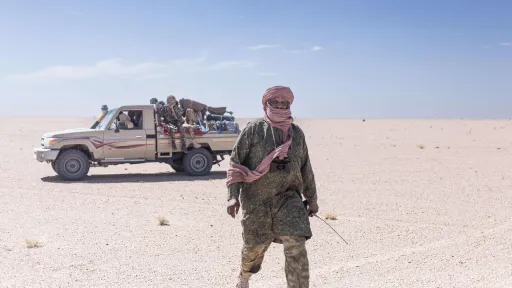
More than 1,000 civilians were killed in a three-day attack by the Rapid Support Forces paramilitary group earlier this year on the largest displacement camp in western Sudan, the UN Human Rights Office said in a report released on Thursday.
RSF stormed Zamzam camp in April as part of its siege of the city of Al Fasher, the provincial capital of North Darfur province.
In the attack, hundreds of people were summarily executed, according to the report. People were killed in house-to-house raids and the main market, as well as in schools and health facilities. The report also detailed patterns of sexual violence against civilians.
The report called it “a consistent pattern of serious violations of international humanitarian law and gross abuses of international human rights law.”
Need for action
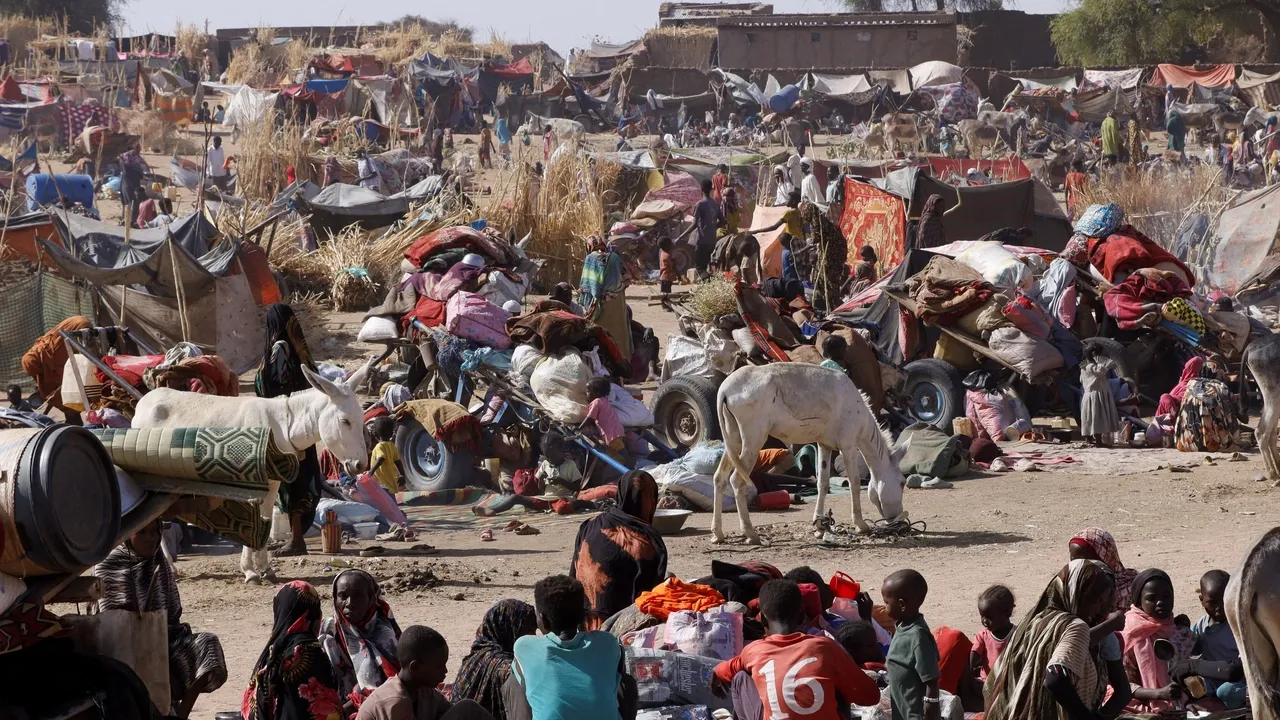
Zamzam was the largest displacement camp in Sudan with more than 500,000 people there prior to the April attacks. RSF blocked entry of food and other essential goods to the Zamzam camp for months prior to the attack, the UN report says.
Zamzam camp was established in 2004 to house people driven from their homes by attacks by the Sudanese Janjaweed militia. Located just south of Al Fasher, it swelled over the years to cover an area 8 kilometres long by about 3 kilometres wide.
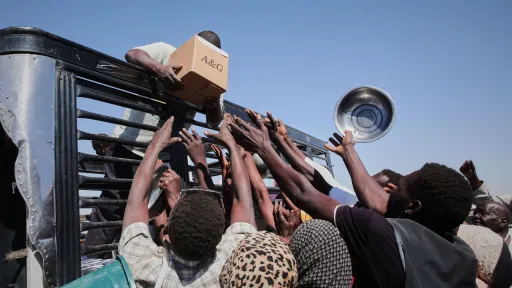
RSF has been at war with the Sudanese military since April 2023. The conflict has killed 40,000 people — though some rights groups say the death toll is significantly higher — and has created the world’s worst humanitarian crisis with more than 14 million people displaced. Many areas have experienced famine, including at the Zamzam camp.
“The findings contained in this report are yet another stark reminder of the need for prompt action to end the cycles of atrocities and violence, and to ensure accountability and reparations for victims,” UN High Commissioner for Human Rights Volker Türk said.
Violence patterns being 'repeated in Al Fasher'
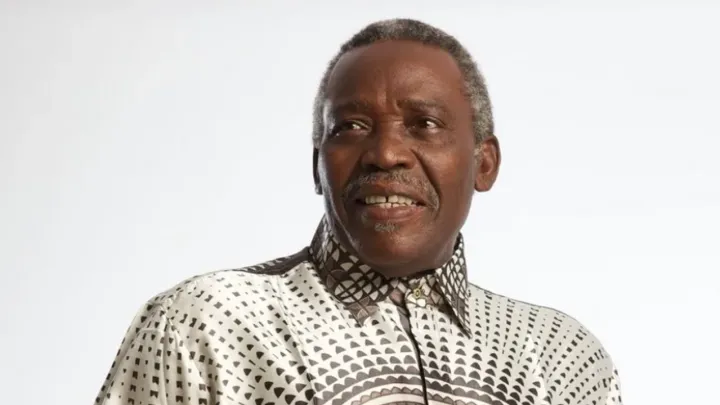


Türk warned that the patterns of violence in Zamzam are now being repeated in Al Fasher as RSF took over the city.
“These horrific patterns of violations — committed with impunity — are consistent with what my office has repeatedly documented, including during the RSF takeover of Al Fasher in late October,” Türk said.
Separately, Sudan’s top general met with Egyptian President Abdel-Fattah al-Sissi in Cairo on Thursday amid growing pressure to resolve the war in Sudan.
Abdel Fattah al Burhan’s meeting with Sissi came after the Sudanese general held talks with Saudi officials in Riyadh earlier this week. US envoy Massad Boulos was also in Riyadh at the same time and met with Saudi officials. There was no public announcement that Burhan met with the American official.
'Red lines' that cannot be crossed
Boulos said on X Wednesday after meeting with Saudi officials, including Saudi Foreign Minister Prince Faisal bin Farhan, there was an agreement with Saudi Arabia on practical steps “toward a humanitarian truce, durable stability, and expanded humanitarian access and assistance for the Sudanese people.”
Both the United States and Saudi Arabia are mediators, part of a group known as the Quad along with Egypt and the United Arab Emirates.
Burhan had previously rejected a ceasefire proposal in November, calling it unacceptable and “the worst yet” — and accused the mediators of being “biased” in their efforts to end the war.
In a statement after the meeting, the Egyptian presidency affirmed its support for Sudan, but also rejected “the establishment of any parallel entities or their recognition, considering this a violation of Sudan’s unity and territorial integrity,” adding that there are “red lines” that can't be crossed. RSF announced a parallel government in July called the Tasis Alliance.
The statement also said that Egypt affirms “its full right to take all necessary measures and actions guaranteed by international law and the Joint Defence Agreement between the two brotherly countries to ensure that these red lines are not violated or crossed.”