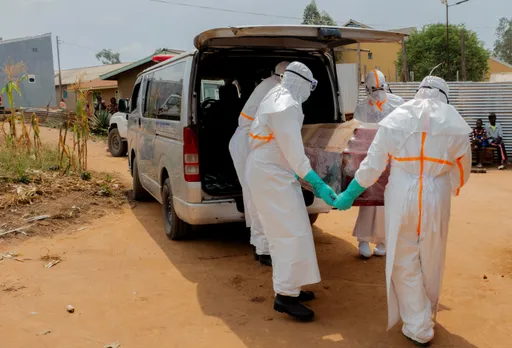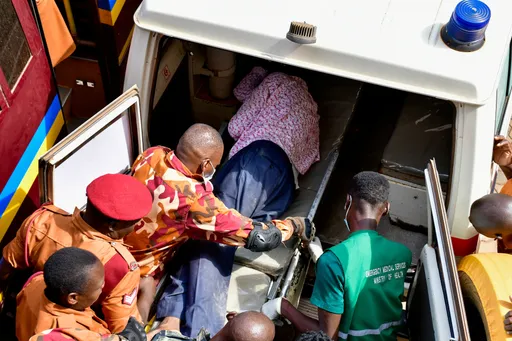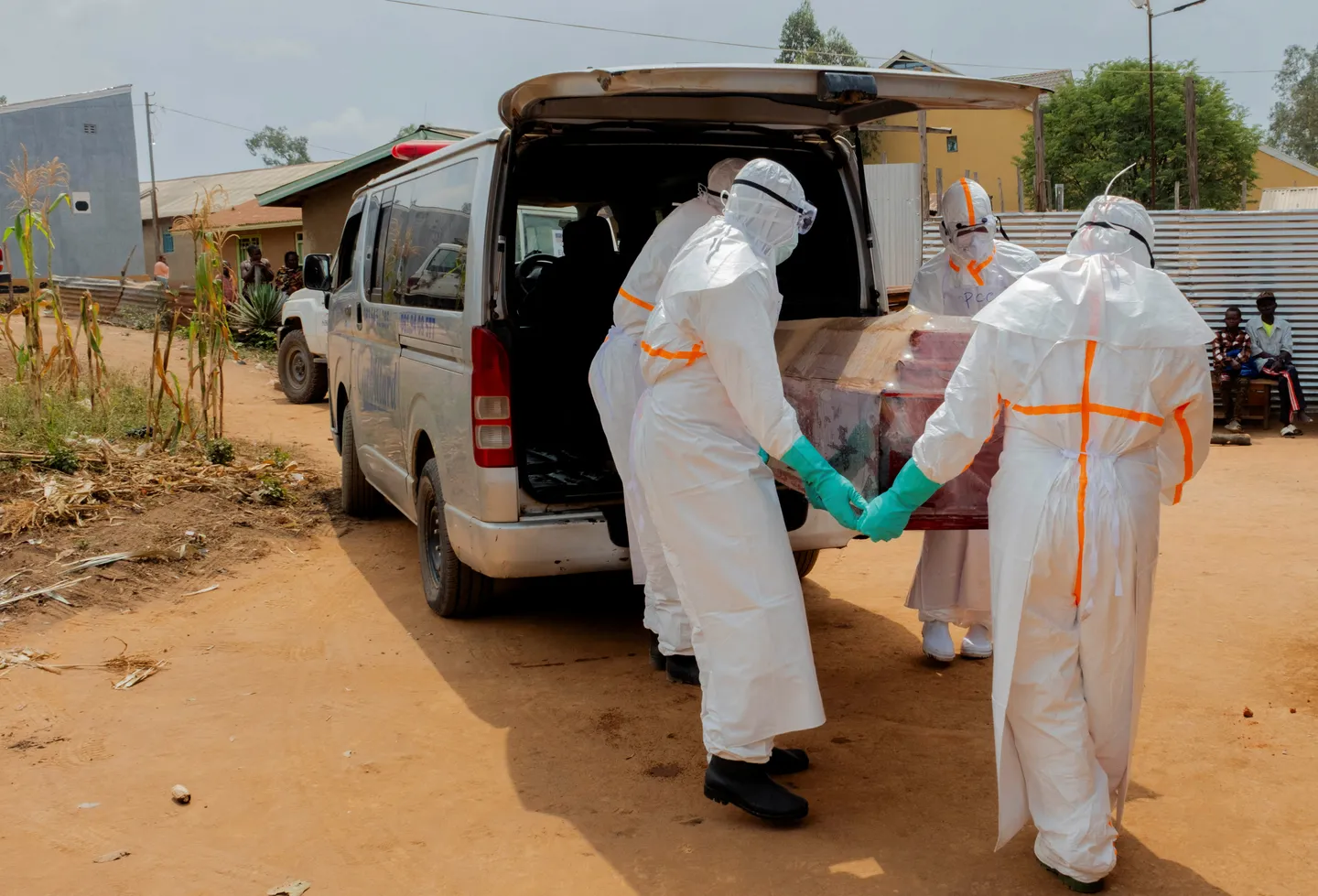
The Ebola outbreak in the Democratic Republic of Congo likely began in January, or even earlier, in a remote mining town in the country's eastern Ituri province, months before health authorities officially detected it, according to a report published in the journal Science.
The report said researchers interviewed about 100 people in and around the town of Mongbwalu, including caregivers, community leaders, survivors, relatives of victims, coffin makers and cemetery guards.
"The team concluded the epidemic ignited in January, and perhaps even earlier, in Mongbwalu's outskirts. A patient seeking care may have brought it to the city from a rural area," the report, published July 30, said.
It said that by the time health authorities in Kinshasa identified the disease as Ebola, a "widespread, sprawling epidemic" was already underway.
World’s second largest outbreak
On Friday, Congo's latest Ebola outbreak became the world's second-largest by recorded infections, with more than 3,530 cases and 1,556 deaths reported since it was declared in mid-May, according to authorities.
Confirmed cases have surpassed the roughly 3,470 recorded during the country's 10th Ebola outbreak between August 2018 and June 2020.



Researchers identified more than 500 suspected cases between mid-January and May 15.
According to the report, one chain of transmission began with a 50-year-old woman who died January 25 after vomiting blood. Her mother died six days later, while her husband became ill but recovered.
‘Easier to control’
"If the outbreak could have been contained in Mongbwalu, it would have been much easier to control," Manuel Albela, an epidemiologist with Doctors Without Borders (MSF) working in the town, told the researchers.
The outbreak has spread to five provinces: Haut-Uele, Ituri, North Kivu, South Kivu and Tshopo.
Ituri remains the epicenter of the outbreak caused by the Bundibugyo virus strain.
No vaccine or specific treatment has been approved for the Bundibugyo strain to date.