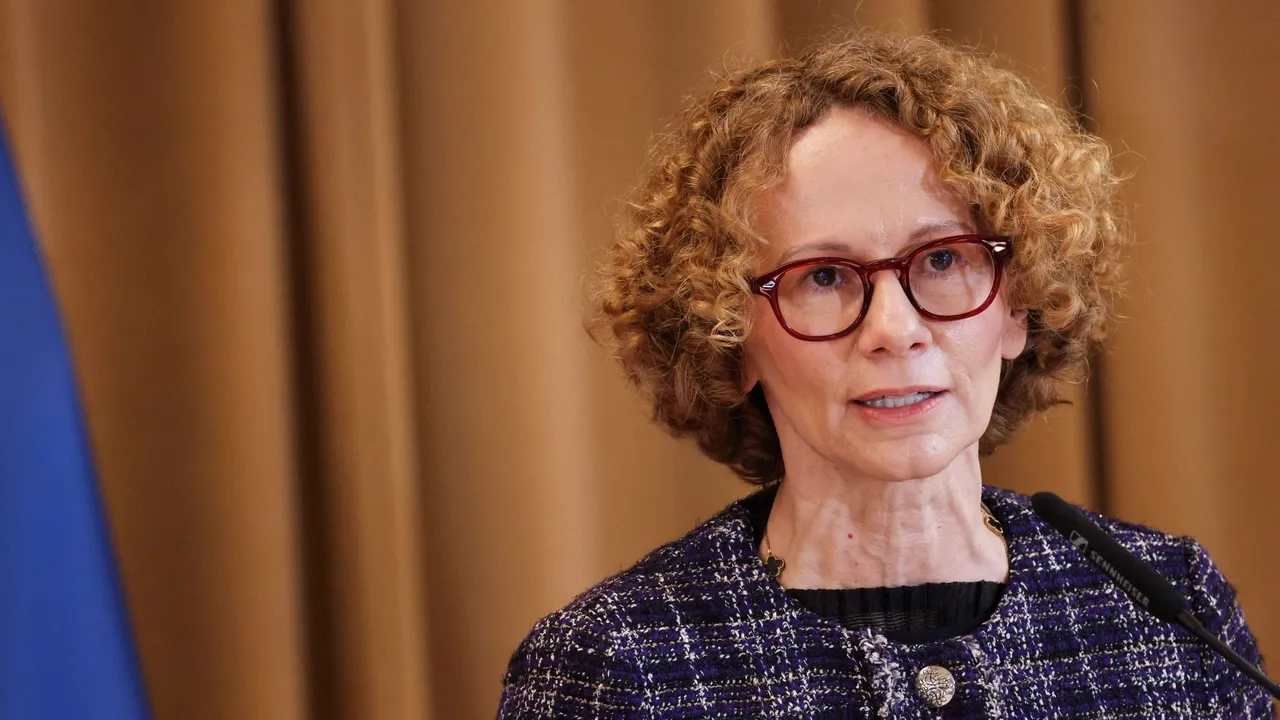
NATO Deputy Secretary General Radmila Shekerinska has emphasised the need for stronger military deterrence to safeguard the alliance’s future while praising Türkiye’s growing defence investments.
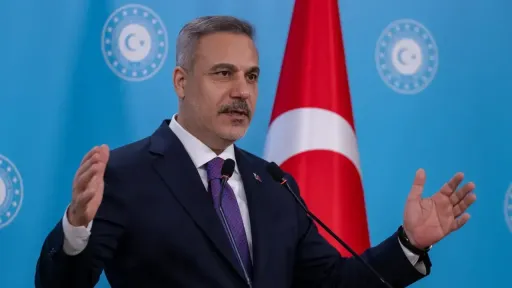
Speaking on Wednesday at the panel titled “Embracing Change, Safeguarding Tomorrow: Türkiye & NATO in a Changing Security Landscape,” organised by the Directorate of Communications of the Republic of Türkiye in Brussels, Shekerinska said maintaining security across the alliance requires long-term commitments and increased defence capabilities.
“It is clear that there are no shortcuts. In order to continue protecting our alliance, we need strong military deterrence, we need a strong defence posture,” she said.
She stressed that higher defence spending is essential “not just for now, but for years to come,” adding that stronger military capabilities remain the most effective means of preventing conflict.
Praising Ankara’s defence commitments, Shekerinska said: “Türkiye’s planned spending increases are impressive and they clearly demonstrate your commitment not only to the alliance but also to security.”
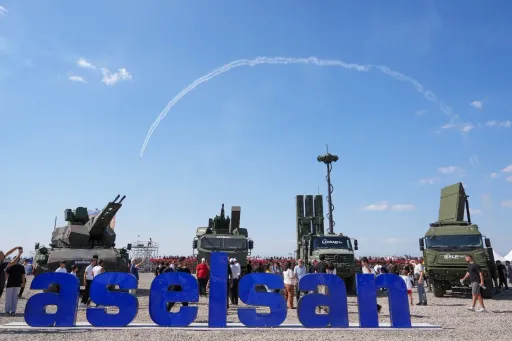
She noted that Türkiye had long exceeded NATO’s benchmark of spending 2 percent of gross domestic product on defence, even during periods when many allies fell short.
“We always stress that Türkiye has been an invaluable ally for nearly 75 years, contributing in many ways to our shared security, including at sea, on land and in the air. It has the second-largest army in NATO,” Shekerinska said.
She also said Ankara remains committed to further increases in line with NATO allies’ broader spending goals.
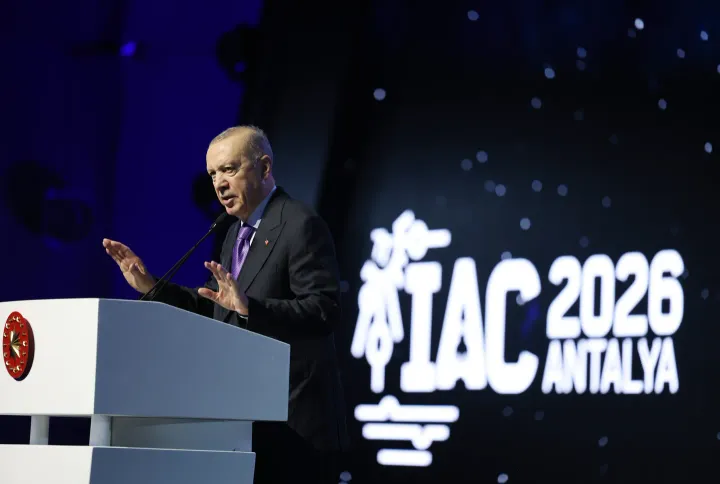

“This is a crucial summit where we will demonstrate that we are delivering on the decisions we made in The Hague last year. We need to show that we are spending or investing more in defence,” she said.
‘Real and lasting dangers’
Calling for a stronger alliance backed by transatlantic cooperation, Shekerinska said NATO faces “real and lasting dangers,” citing threats stretching from the Arctic to the Mediterranean and the Black Sea region.
She pointed to missile and drone attacks, cyber threats, instability in NATO’s southern neighbourhood, and growing security concerns linked to military developments by global rivals.
Shekerinska also underscored the urgency of increasing defence industrial production, saying NATO allies must accelerate concrete capabilities and ensure that deterrence remains credible.
Following her keynote speech, panel participants highlighted Türkiye’s longstanding contribution to NATO and its role in adapting the alliance to evolving security challenges.
Among the speakers were Türkiye’s Permanent Representative to NATO Ambassador Basat Oztürk; Hulusi Akar, chair of the Turkish parliament’s National Defense Commission and former defence minister; NATO Acting Assistant Secretary General for Operations Burcu San; and Belgian Air Force Maj. Gen. Harold Van Pee, director for strategy at the Belgian Defence Ministry.