Crude prices surged Friday on mounting fears about oil supply disruption during the Middle East war, while equities retreated on poor US hiring data.
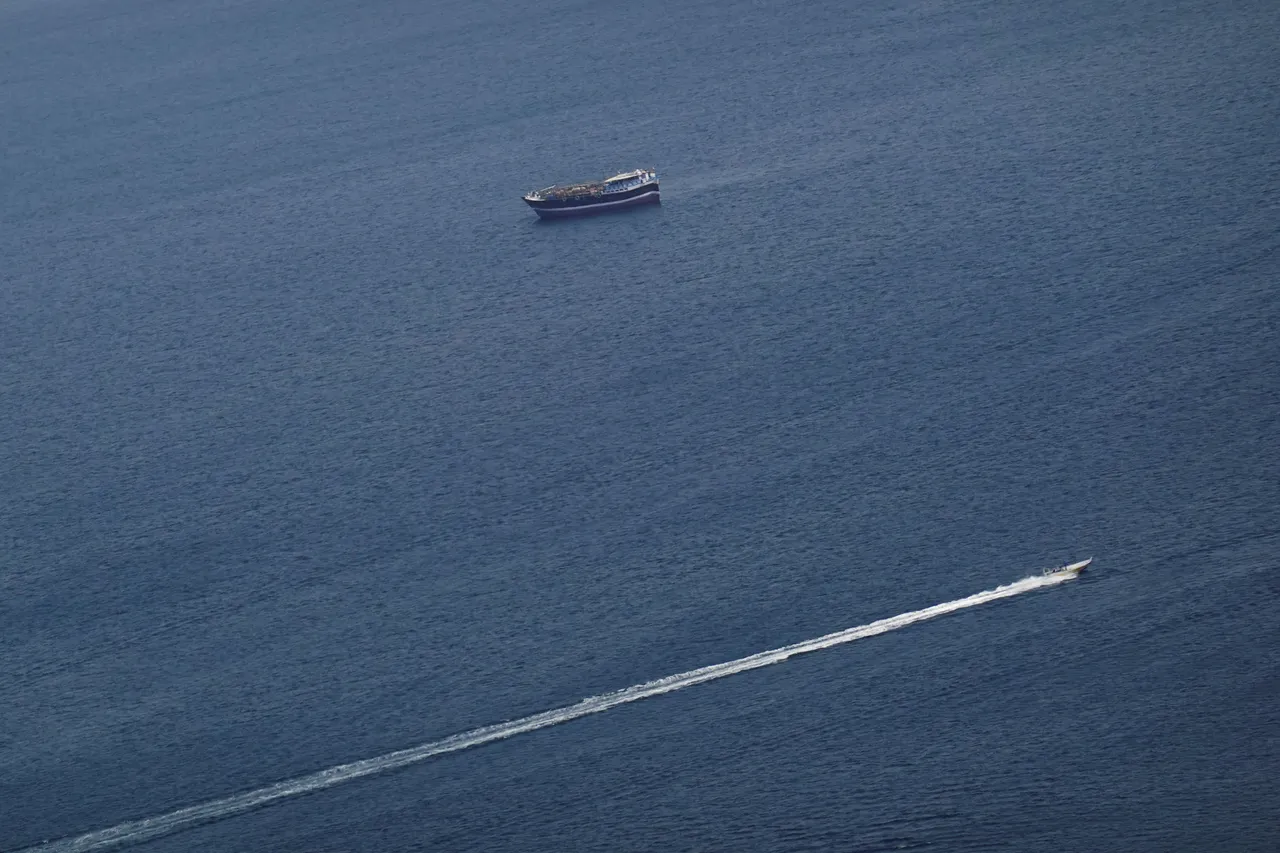
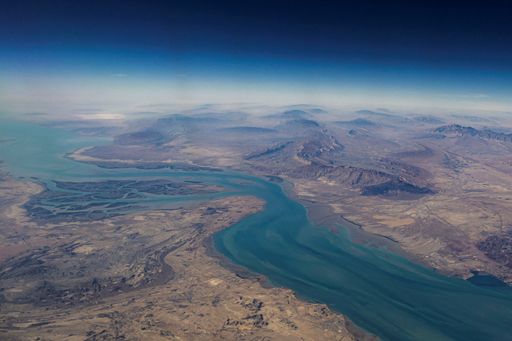
The US-Israel war on Iran and Tehran's retaliatory attacks across the Gulf region have upended the world's energy and transport sectors, virtually halting traffic through the Strait of Hormuz.
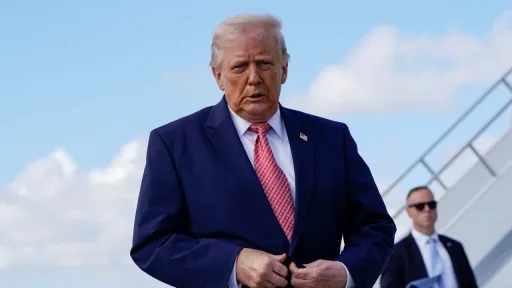
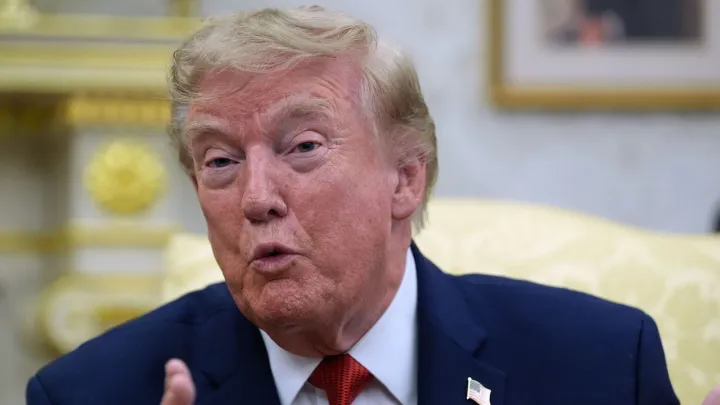
The international benchmark oil contract, Brent North Sea crude, surged to $92.69 per barrel, up 8.5 percent for the day and nearly 30 percent for the week after US President Donald Trump said only the "unconditional surrender" of Iran would end the war.
The main US contract, West Texas Intermediate, soared more than 12 percent to over $90 per barrel, topping off the biggest weekly gain on record.
Maritime traffic has all but dried up through the Strait of Hormuz, through which a fifth of the world's crude oil and liquefied natural gas supplies run.
Market reaction to the conflict had been tempered by hopes that it would be short, but Trump's demand for Iran's capitulation increases the prospect of a long conflict.
Trump's comments "dashed hopes that the conflict will be averted quickly, and the oil price has continued its push" higher, said XTB research director Kathleen Brooks.
The prospect of high energy prices for a sustained period has fanned fears of a fresh spike in inflation that could hit the global economy while curbing the ability of central banks to cut interest rates to prop up growth.
"The longer that key energy infrastructure and shipping routes in the region are affected, the greater the chance of a significant inflationary impact," said AJ Bell investment director Russ Mould.
Attacks on oilfields were reported in southern Iraq and in the northern region, which forced a US-run oilfield to cease production. Kuwait has also begun cutting production due to a lack of storage capacity, the Wall Street Journal reported.
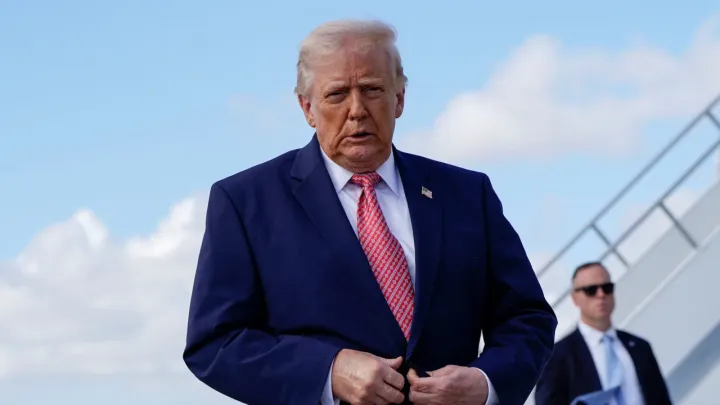






Earlier this week, Trump pledged to protect ships through the Strait of Hormuz, but shipping companies have exercised caution in the region.
US unemployment edges up
Trump's pledge helped "reduce some of the risk premium in oil markets," but will have "limited impact unless Iran's extensive disruption capabilities are first neutralised," said a note from analysts at JPMorgan Chase.
Meanwhile, data showed the US economy had unexpectedly lost jobs in February, while unemployment also edged up.
The world's biggest economy shed 92,000 jobs last month, down from revised job growth of 126,000 in January, said the Labor Department.
New data released Friday also showed US retail sales had fallen by 0.2 percent in January.
Investors often look at data showing a slowdown in the economy as raising the chances of the US Federal Reserve lowering interest rates, but analysts say higher oil prices complicate that picture.
Until recently, the markets were anticipating the Fed would resume interest rate cuts in June, but that has now shifted to September.
Wall Street's main indices finished down around one percent or more.
Europe's main markets finished the day with losses of around one percent.