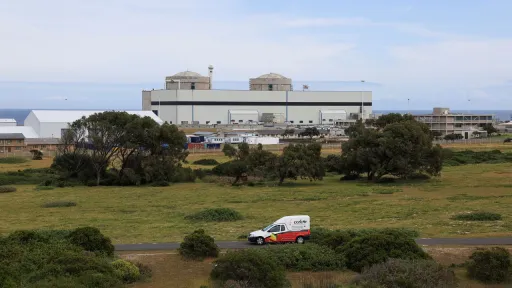
South Africa's state power utility Eskom has sought to reassure the public after a brief increase in airborne radioactivity was detected during routine maintenance at the Koeberg Nuclear Power Station.
Eskon says the incident posed "no risk" to employees, nearby communities or the environment.
The incident, which occurred on 2 and 7 July inside a controlled work area at Koeberg's Unit 2 reactor, was classified as Level 0 (No Safety Significance) on the International Nuclear and Radiological Event Scale (INES) — the lowest possible rating.
Eskom said the National Nuclear Regulator (NNR) was notified in accordance with regulatory requirements.
‘No radiation leak’
In a statement on Sunday, Eskom said "no radiation leak occurred" during maintenance work at Koeberg's Unit 2 reactor, which has been on a scheduled outage since April.
According to Eskom, "a very small quantity of microscopic oxide particles, commonly referred to in the nuclear industry as 'crud', became airborne within the enclosed work area" as robotic inspection probes moved through the steam generator tubes.
Eskom said its safety systems responded exactly as designed.
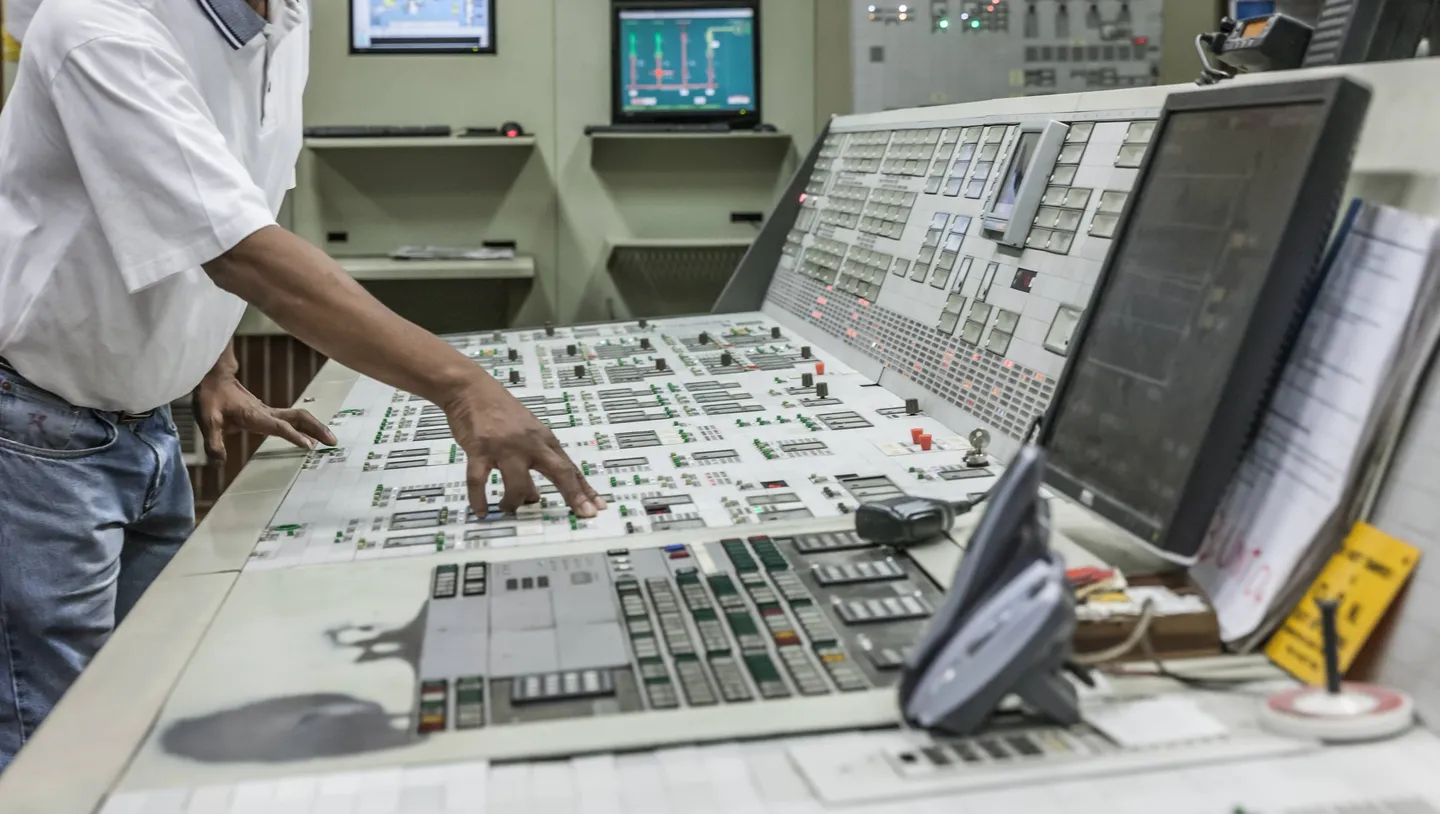
"The monitoring equipment detected the minor increase in airborne activity exactly as designed and triggered an automatic alarm," the statement said.








Standard protocols
Workers immediately followed standard radiation protection procedures, including temporarily stopping the inspection, securing the work area, allowing ventilation systems to clear the airborne particles and conducting radiological assessments before maintenance resumed.
"These actions successfully contained the material within the designated work area and restored conditions to normal operating parameters," Eskom said.
The utility said monitoring confirmed the airborne radioactivity remained confined to the controlled work area throughout the incident.
"All monitoring results confirmed that the transient remained confined within the controlled work area and that there was no release of radioactive material to the environment," it said.
‘Effective defence systems’
Eskom added that the event "demonstrated the effectiveness of Koeberg's defence-in-depth approach, with monitoring, containment and radiation protection systems functioning as designed and providing early detection and control of the transient."
"No iodine tablets needed to be administered to employees and there was no impact on employees, the public or the environment," the utility said.
Eskom added the event had been classified as Level 0 (No Safety Significance) on the International Nuclear and Radiological Event Scale (INES), the lowest possible rating.