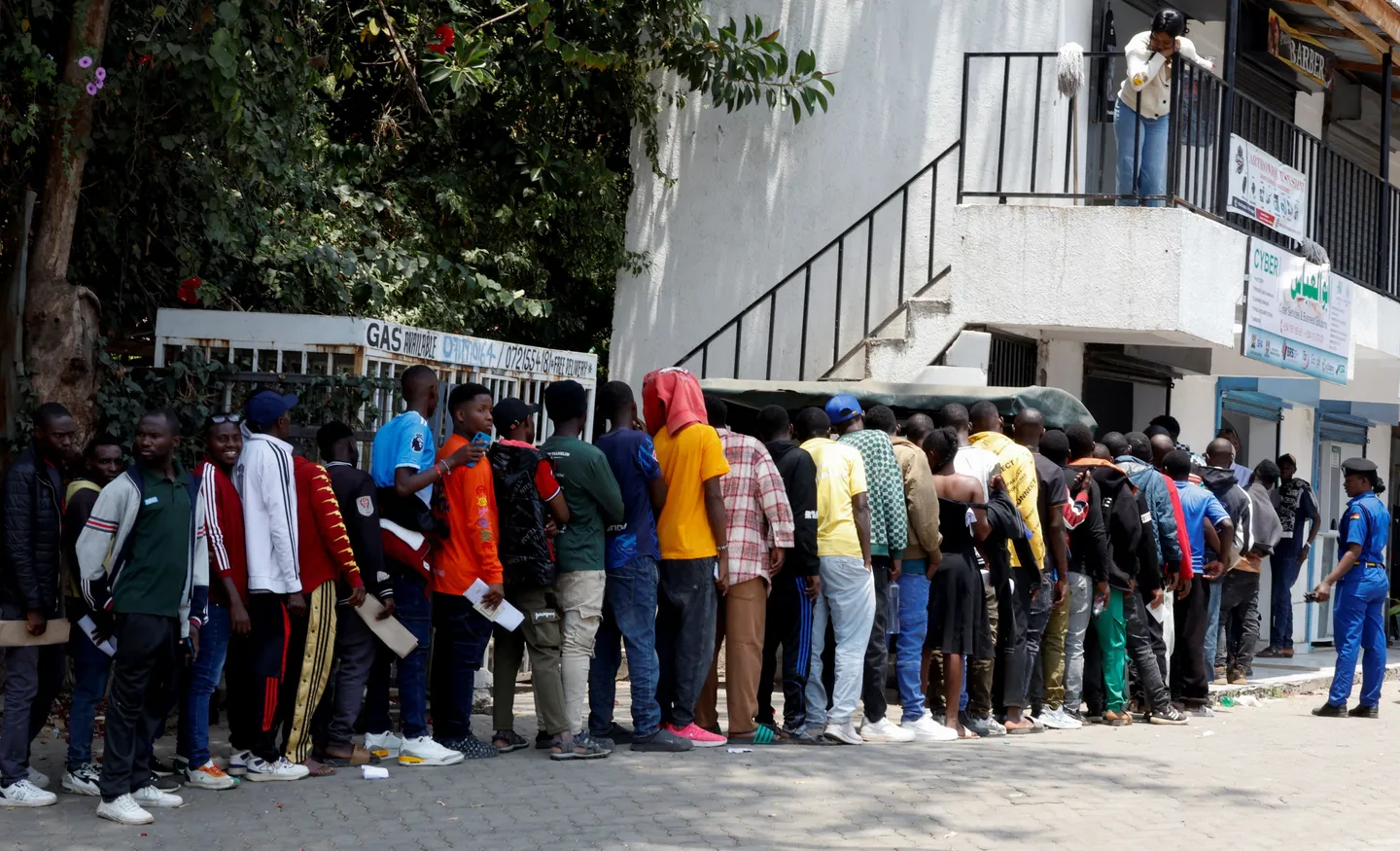
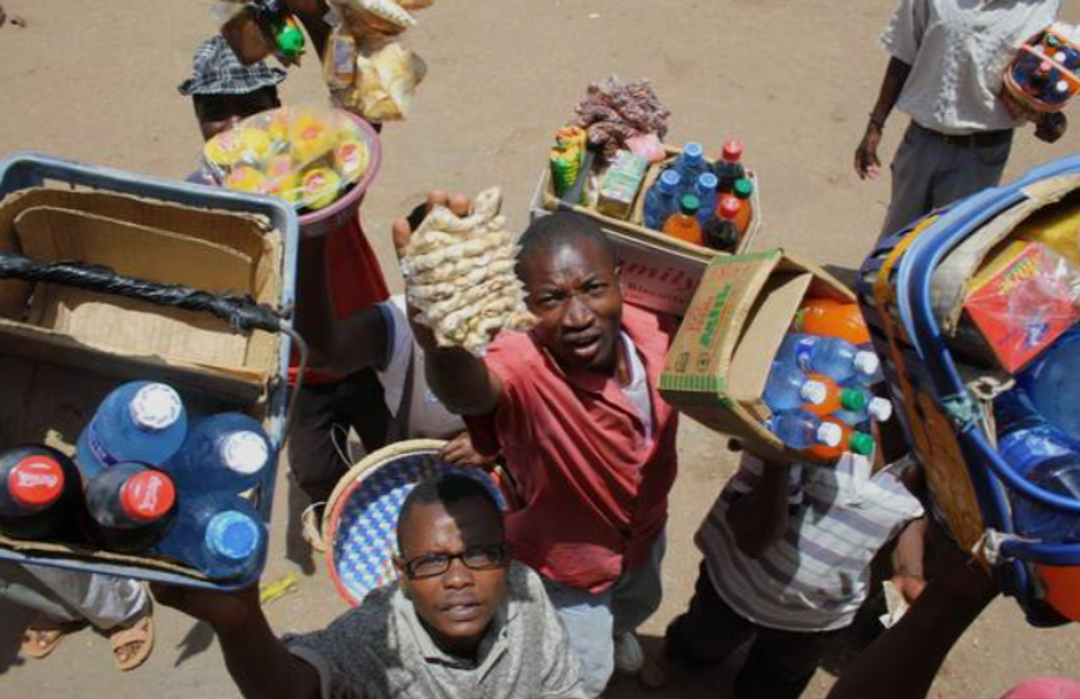
Hundreds of Burundian nationals flocked to their country's embassy in the Kenyan capital, Nairobi, on Monday, seeking passports and travel documents as a government crackdown on foreigners operating small businesses was due to begin.
Long queues formed outside the Burundian Embassy and at nearby cybercafés, where people carrying identity cards, passports and permits sought documentation, with some apparently preparing for possible travel back to Burundi.
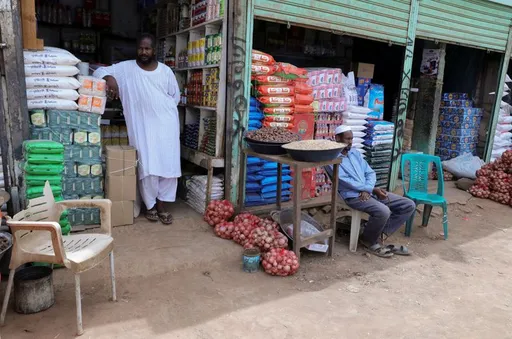
The surge followed President William Ruto's directive on September 2 targeting foreigners engaged in hawking and small-scale retail. Ruto said the move was intended to create more economic opportunities for Kenyans.
"From next week, all traders doing those small businesses should close them," Ruto said at the time, setting September 7 as the start date for the action.
However, the Kenyan government has since clarified that the directive does not amount to a blanket ban on foreign traders.
Foreign Affairs Principal Secretary Korir Sing'Oei said on Sunday that foreigners with the required work permits and business licences remain legally protected.
No blanket ban on foreigners
"We assure that small or large traders and employees of all nationalities, with requisite documentation – work permits and licences – are legally protected to operate in Kenya," Sing'Oei said.




He added that Burundian nationals, as well as other East Africans and Africans, were free to live and work in Kenya as long as they complied with the country's laws.
An official at the Burundian Embassy said the issuing of travel documents was a routine consular service and had not been initiated specifically because of the current situation.
Kenya's Trade Ministry said foreigners entering the country under visa-free or tourist arrangements are not automatically entitled to work or conduct business. It said they must obtain the necessary permits, adding that enforcement would be carried out in accordance with Kenyan law and the country's obligations under the East African Community.
Police, meanwhile, warned Kenyans against harassing foreign nationals.
Authorities said they had received no official reports of an exodus or attacks targeting Burundians, Congolese or Rwandans.
The developments have nevertheless heightened concerns over anti-foreigner sentiment in Kenya following Ruto's directive, which came amid a broader debate over foreign nationals competing with Kenyans for jobs and small-scale business opportunities.
Kenya's move has also drawn comparisons with neighbouring Tanzania, which in 2025 restricted non-citizens from engaging in several small businesses, and South Africa, where anti-migrant campaigns and attacks on foreign-owned businesses have repeatedly raised concerns over xenophobia.