 Rajneesh Bhuee
By Rajneesh Bhuee
At his town hall with civil society in Bangkok, World Bank President Ajay Banga said “baseload” power can only come from hydro, geothermal, nuclear, oil and gas, or coal. Solar and wind, in his words, sit “on top of baseload” as “top-up energy”. He also defended Bank support for midstream gas infrastructure.
This is not a slip of the tongue - it reflects an investment thesis that shapes how the Bank approaches energy infrastructure and allocates public support.
It was set out in a region absorbing the largest energy supply shock on record, where energy-importing developing countries have been hit hardest. And it matters for COP31 in Antalya, Türkiye, where multilateral development banks (MDBs) are being positioned as the main delivery vehicles for climate finance.
Who carries the risk of gas
The World Bank has provided at least $19 billion in fossil fuel finance since the Paris Agreement, more than any other MDB. That figure captures direct finance, but much of the Bank’s support for gas also flows through instruments that are harder to see.
Our report, Unpacking the ‘bridge fuel’ myth, traces how this works across Bangladesh, Pakistan, South Africa, Namibia and Nigeria. Sovereign guarantees, take-or-pay contracts and lending through financial intermediaries make gas projects bankable by moving currency, fuel-price and stranded-asset risks onto governments and consumers. In effect, public balance sheets lower the cost of capital for gas. This year’s price shock is what that risk looks like when it lands.
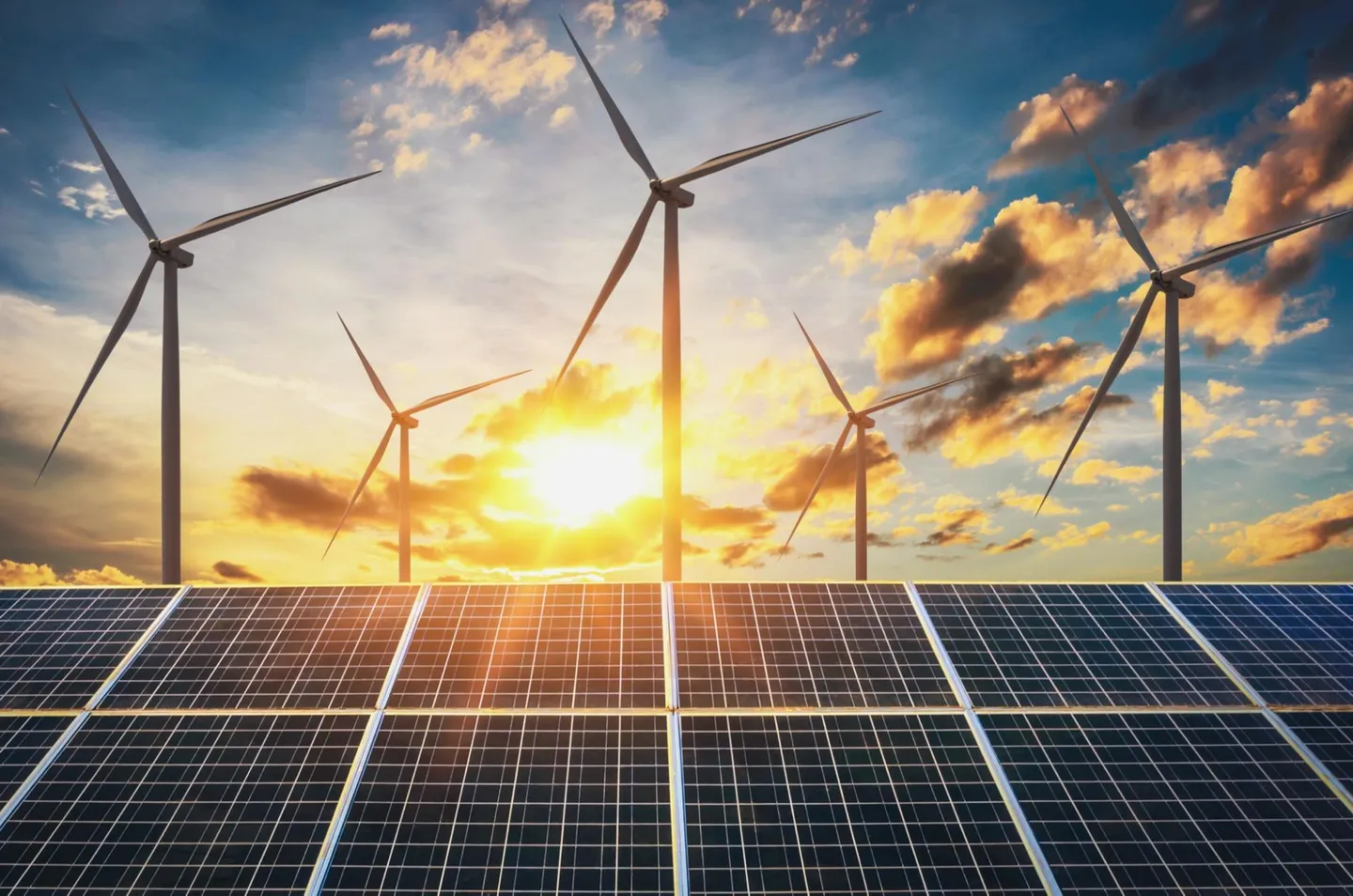
Renewables are cheaper. Their capital is not.
In 2025, more than 90% of new utility-scale renewable projects produced power more cheaply than the cheapest new fossil fuel option. IRENA finds that in many markets the main constraint is now the cost of capital. Yet less than 2% of clean energy finance from G20 institutions and MDBs reached low-income countries between 2023 and 2025.
So the problem is not that renewables cannot provide reliable power. It is that public de-risking is aimed at the wrong technology. Gas investors get guarantees. Renewable energy projects in the poorest countries face the highest borrowing costs.
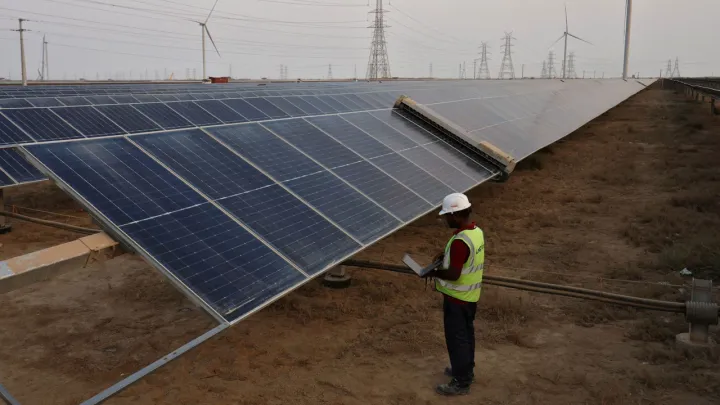
Pakistan shows what happens when people stop waiting. Driven by households, farms and businesses, the country imported more than 51 GW of solar panels by early 2026. Distributed solar supplied 28% of the country’s electricity generation in FY25 and has helped avoid more than $12 billion in oil and gas imports. That happened largely without MDB finance. Imagine what concessional finance for storage and grids could add.
Recourse’s latest report, Financing renewable energy at scale, shows that solar and storage are already challenging the economic case for new fossil fuel capacity. The constraint is how MDBs finance the transition.






It calls on them to make grants and public finance the default, not guarantees and leverage: grants for institutional capacity and energy access, highly concessional finance for grids, storage and public utilities, and support for public, cooperative and community ownership so that more of the value stays in the countries hosting it.
The same toolkit, now for minerals
In Bangkok, the Bank also launched minerals compacts with eight countries and set a goal to grow its minerals business fivefold by 2030. The approach relies on de-risking private investment and can treat communities as obstacles to investment rather than rights holders.
The risk is not just that mining repeats the gas model. It is that the entire transition, from energy generation to mineral extraction, reproduces an economic model in which public finance absorbs the risks, private investors capture the returns, and communities have little control over the outcomes.
The revised IFC and MIGA Sustainability Framework, with a first draft due between November and December, will be a critical test of whether the Bank will strengthen protections for affected communities or weaken them in pursuit of investment.
What governments should do in Antalya
The COP30 Presidency’s Transitioning Away from Fossil Fuels (TAFF) roadmap, due in Antalya, is a voluntary framework rather than a negotiated plan, but it lists reform of the international financial architecture among its priorities. Governments should use it to scrutinise the public guarantees and intermediary finance that still make new gas bankable.
The Belém-Antalya Mechanism should do more than host dialogue. It should require annual assessments of where MDB guarantees and concessional finance go, whether they advance national just transition pathways, and what governments can do when they do not.
That means ending MDB support for fossil fuel expansion, including guarantees and intermediary finance for gas; redirecting affordable public finance towards renewables, grids and storage in low-income countries, including through local-currency lending; and making respect for community rights, Free, Prior and Informed Consent and binding local value addition commitments conditions of minerals finance.
The transition must change not only how energy is generated, but who controls investment, who benefits from it and who bears its costs. In Antalya, governments must make clear that public finance cannot keep underwriting the risks of extraction while leaving communities to pay the price, whether the resource is gas or the minerals needed to power the transition.
The author, Rajneesh Bhuee, is the Just Transition Lead (specifically focusing on Kenya/Africa) at Recourse.