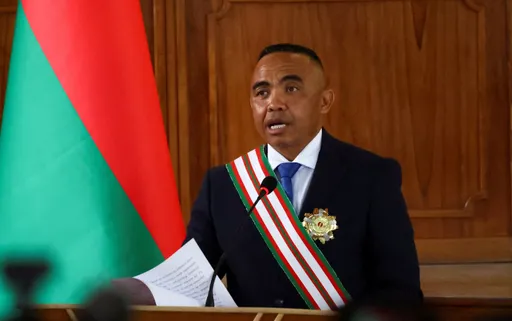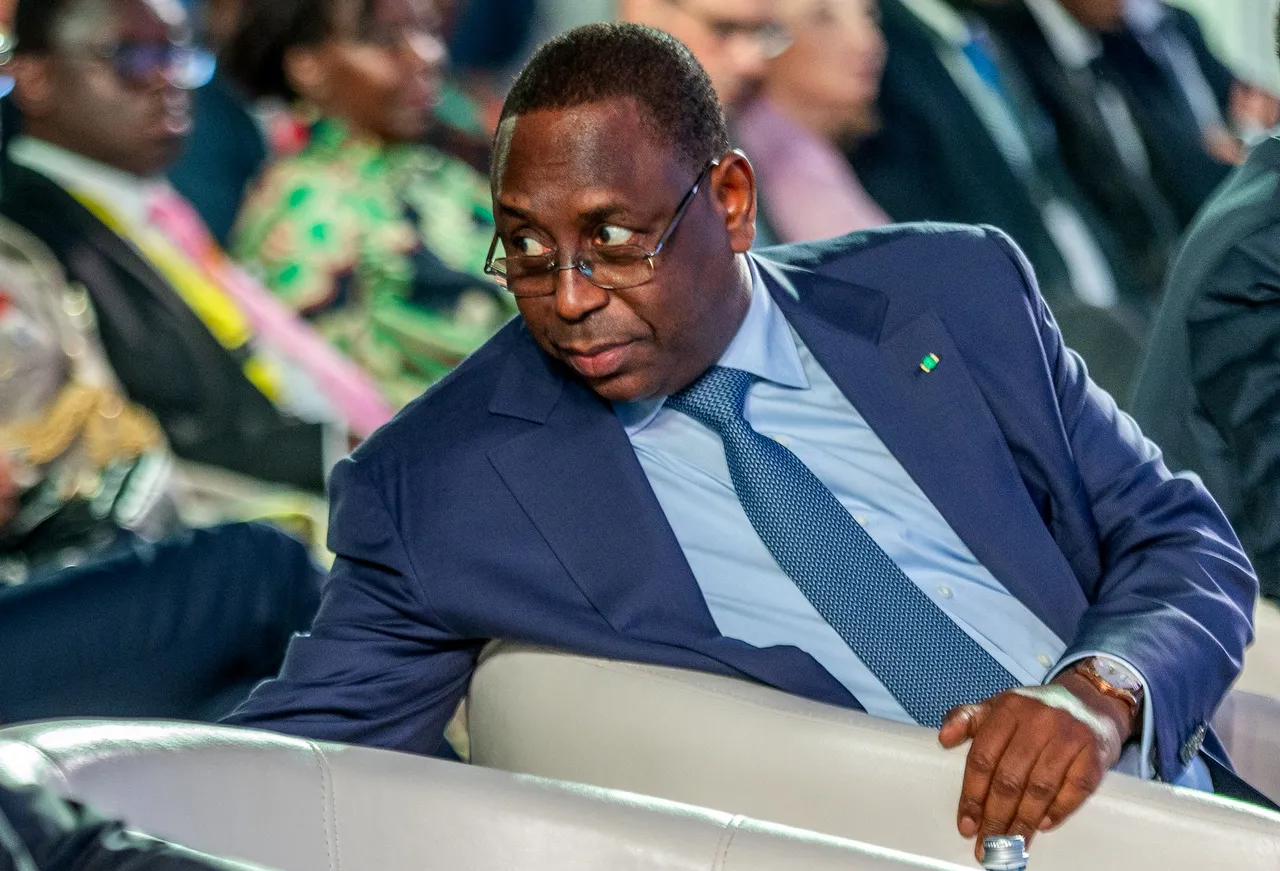
Senegal’s former President Macky Sall has entered the race for the role of the United Nations Secretary-General as campaign for the top global job heats up.
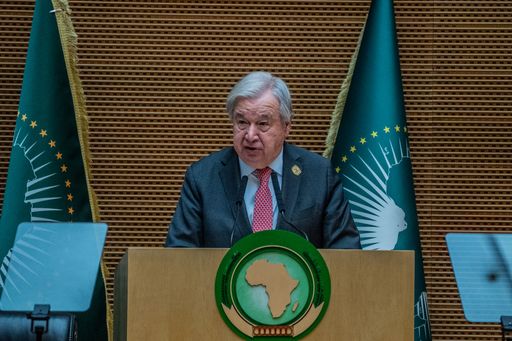
Macky Sall has been nominated by Burundi as a candidate in the election to replace António Guterres, who is due to complete his tenure on 1 January 2027, after serving for 10 years.
UN General Assembly spokesperson, La Neice Collins, confirmed Sall’s nomination on Monday, 2 March.
So far, Sall is the only nominee from Africa for the UN top job, with some reports suggesting that the continent plans to go into the election with a single candidate.
Former Chilean President Michelle Bachelet and Argentine diplomat Rafael Grossi, who currently heads the International Atomic Energy Agency, have also been formally nominated, while Costa Rica is putting forward its former Vice-President, Rebeca Grynspan.
If elected, Macky Sall will be the third African to be the UN’s chief after Boutros Boutros-Ghali from Egypt, who served from 1992 to 1996, and Kofi Annan from Ghana, who held the role from 1997 to 2006.
However, there are growing campaigns for the UN to have its first-ever female Secretary-General.
Observers say if this gets wider acceptance, it could work against Sall, who had served as Senegal’s President from 2012 to 2024.
Election process



So, how is the UN Secretary-General chosen?
Well, each candidate must be formally nominated by a state or group of states, but not necessarily by their country of origin.
The UN Security Council, comprising 15 members, holds secret voting known as straw polls to choose one of the candidates.
The five permanent members – the US, China, Russia, France, and the UK – wield significant influence due to their veto power.
The chosen candidate is then recommended to the General Assembly for approval, typically a formality.
The Secretary-General serves a five-year term, renewable once, and acts as the UN's chief administrative officer, overseeing staff, budgets, and operations.
The role combines diplomacy, advocacy, and leadership, but lacks direct military authority, relying on the Security Council for sanctions.
The UN was established in 1945 to promote global peace, stability, and development, but observers say its effectiveness is often hindered by conflicting interests among its permanent members.