On Wednesday, the US Department of Energy announced the signing of a civilian nuclear cooperation agreement, commonly known as a “123 Agreement”, with Saudi Arabia.
Energy Secretary Chris Wright signed the deal alongside a bilateral safeguards agreement with his Saudi counterpart, Prince Abdulaziz bin Salman, who joined via video link from Riyadh.
The pact, long in the making with discussions dating back nearly two decades, aims to lay the foundation for a multi-billion-dollar partnership on peaceful nuclear energy.
It prioritises US companies and includes provisions for studying uranium enrichment under strict controls, while falling short of the full Additional Protocol safeguards with the International Atomic Energy Agency that some nonproliferation experts prefer.
US Department of Energy officials described it as advancing US-Saudi commercial ties, nuclear safety standards, and strategic objectives, with Secretary Wright crediting US President Donald Trump for an “American nuclear renaissance.”
Trump looks the other way
Less than 24 hours later, however, the deal appeared in disarray.
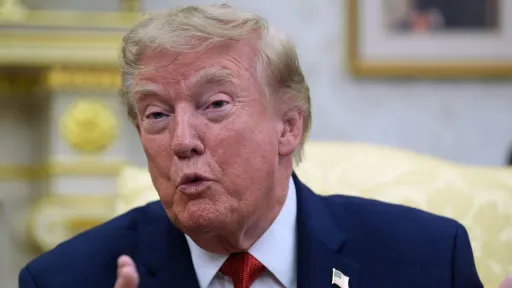
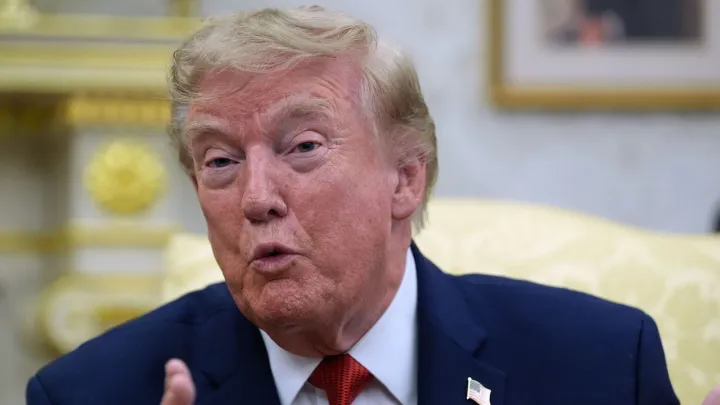
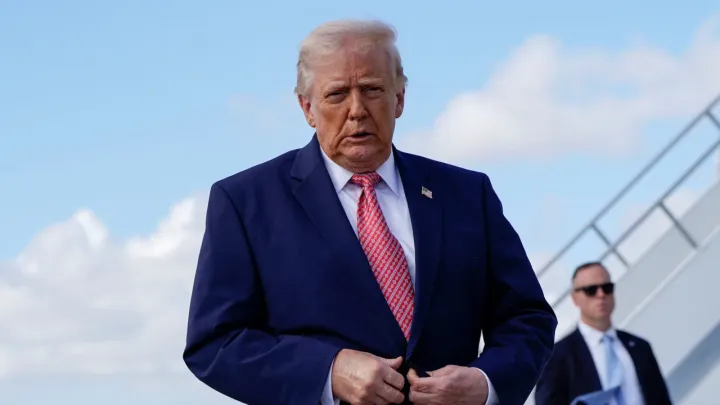
On Thursday morning, US President Donald Trump posted on Truth Social that the agreement “will be approved, but is totally subject to Saudi Arabia joining the very respected and successful Abraham Accords.” He added: “There will be no enrichment of material!” emphasising non-military use.
White House officials indicated Trump was not fully briefed and had not approved the rollout in its announced form.

Sources told CNN the president was angered that the energy department proceeded with the signing and public unveiling without his direct sign-off, particularly after criticism from conservative media and experts. The White House had reportedly asked DOE not to roll it out on Wednesday.
Press Secretary Karoline Leavitt later stated that Trump is the “final dealmaker” and that the deal is contingent on Saudi normalisation with Israel as far as the president is concerned. If Riyadh does not join the Abraham Accords, “the deal is off.”
The White House framed the new condition as consistent with long-standing Trump administration goals. Spokesperson Taylor Rogers said the energy team is “fully aligned” and that the deal has always been contingent on Saudi Arabia joining the Abraham Accords.
The Abraham Accords, launched during Trump’s first term, normalised relations between Israel and several Arab nations (UAE, Bahrain, Morocco, Sudan).
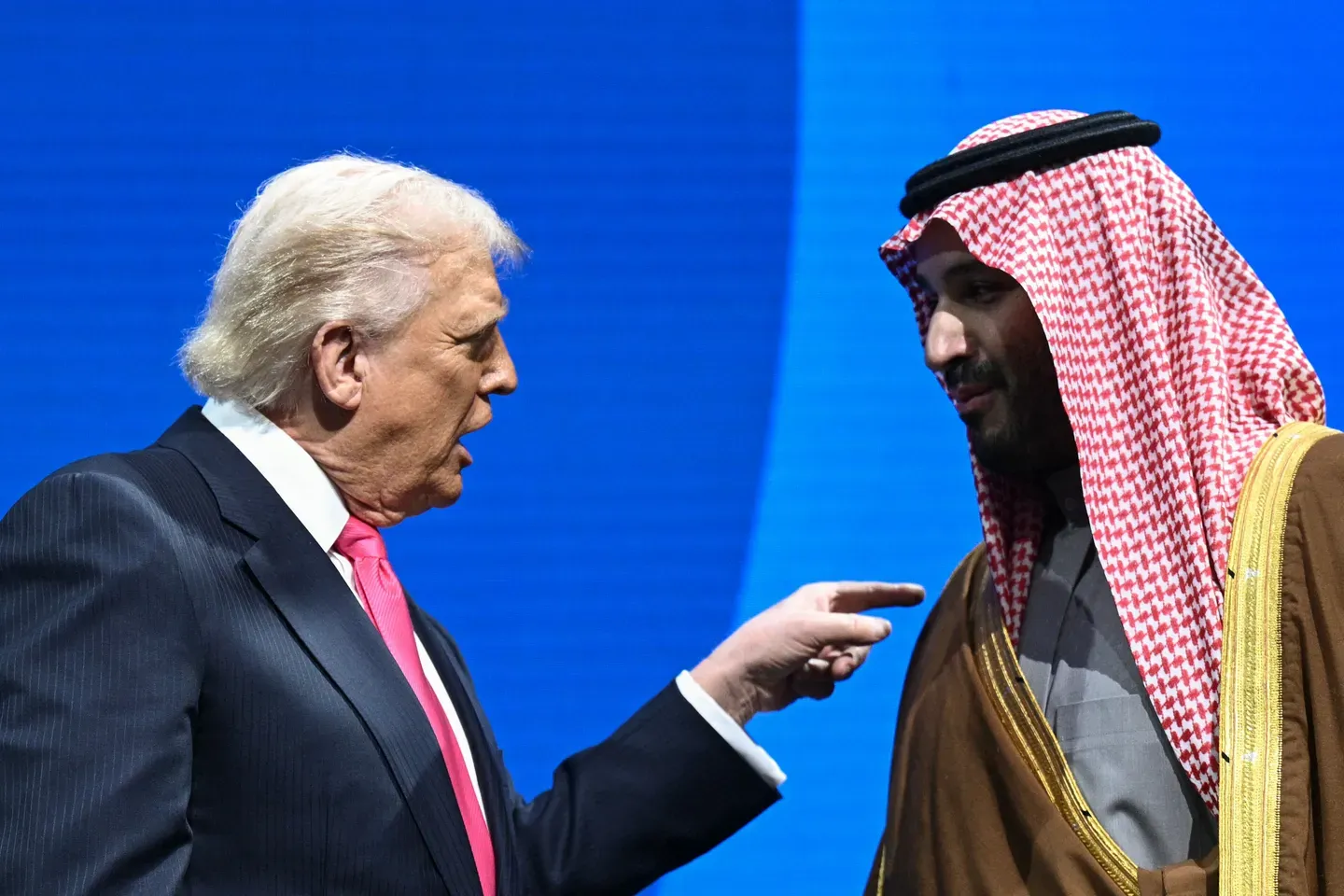
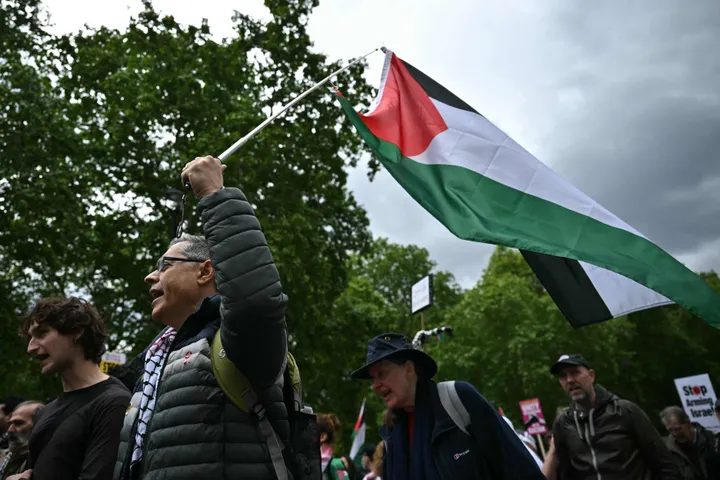
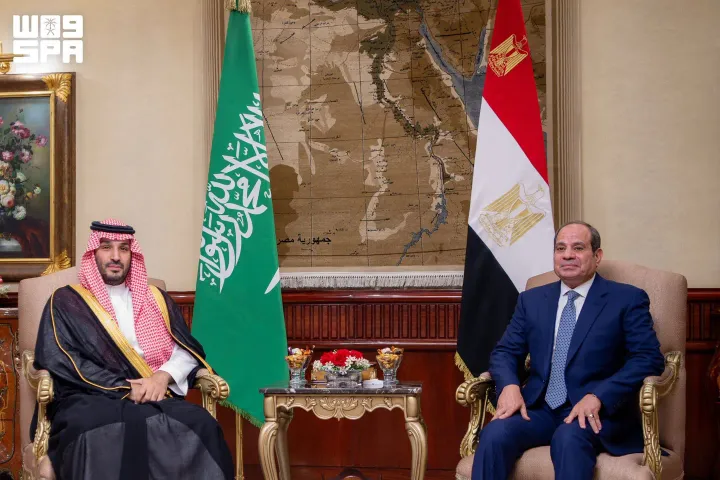
Saudi Arabia has long been a prized potential addition, but Crown Prince Mohammed bin Salman has conditioned full normalisation on progress towards a Palestinian state — a stance unchanged after the October 7, 2023 blitz and subsequent war on Gaza.
The sudden linkage of the nuclear deal with the accords surprised some US nuclear negotiators and the Saudis, who viewed the signed deal as a win. Saudi officials earlier praised the pact for supporting energy diversification but have not publicly responded to the new condition.
The episode highlights internal coordination tensions.
The energy department statements stressed close White House and State Department coordination, calling contrary suggestions “fake news.”
The deal now faces a 90-day congressional review period. Its future remains uncertain amid the added diplomatic precondition.