Türkiye has intensified diplomatic efforts to halt the escalating conflict in the Middle East, urging an immediate ceasefire and a return to negotiations as fighting between the United States, Israel and Iran risks plunging the wider region into turmoil.
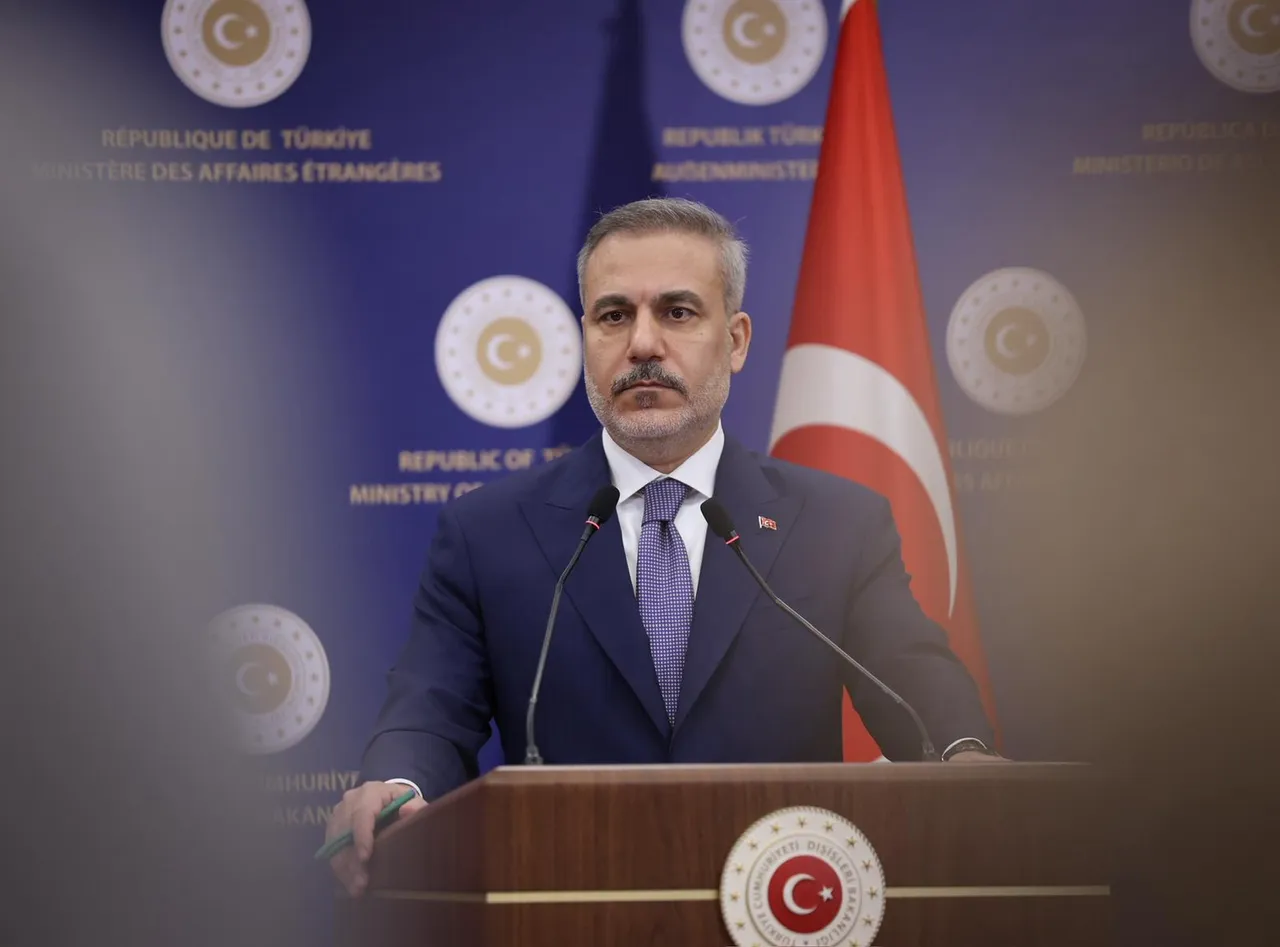
Speaking at a joint press conference in Ankara on Thursday with his German counterpart Johann Wadephul, Turkish Foreign Minister Hakan Fidan said Ankara was in active dialogue with both Tehran and Washington to help bring the war to an end.
“We are more than ever at a moment when negotiation and dialogue are indispensable. Our efforts in this direction will continue. We are speaking both with the Iranian side and with the American side,” Fidan said.
He stressed that Türkiye’s priority was to prevent further escalation.
“In recent days, we have experienced the most intense moments of the war. The question is what chances there are for negotiations and to what extent this is possible,” he added. “This war should end as soon as possible.”
The conflict erupted on February 28, when the United States and Israel launched a joint air offensive on Iran, triggering a wave of retaliation by Tehran using drones and missiles targeting Israel, Jordan, Iraq and several Gulf states hosting US military assets.
The strikes have according to Iranian authorities killed more than 1,300 people, including Iran’s Supreme Leader Ali Khamenei, as well as over 150 schoolgirls, further inflaming tensions across the region.
Türkiye opposes destabilisation of Iran
Fidan also warned against attempts to exploit internal divisions in Iran amid the conflict.
Ankara remains “completely opposed to any plan that aims to provoke civil war in Iran and fuel conflicts along ethnic or religious fault lines,” he said.
He stressed that Iran’s territorial integrity must be respected and cautioned against efforts to destabilise the country by exploiting ethnic or sectarian tensions.
“We are against plans aimed at triggering a civil war in Iran and provoking conflicts along ethnic and religious fault lines,” Fidan said, adding that Ankara would not allow such efforts.
Calls to prevent regional spillover
The Turkish foreign minister also criticised Israel’s continued bombardment of Lebanon, warning that it risks pushing the country towards collapse.
“Israel’s attacks must end before the Lebanese state collapses,” he said, noting that the fighting has displaced around one million people.
Such a scenario, he warned, would have severe consequences for the broader Middle East, particularly neighbouring countries.
Lebanon was drawn into the war after the Iran-backed group Hezbollah launched attacks on Israel following the killing of Khamenei in the US-Israeli strikes.



German Foreign Minister Wadephul, who held talks with Fidan in Ankara, also stressed the urgency of preventing further escalation.
“Our task now is to prevent this war from escalating further,” he said, adding that the international community must urgently address how the conflict can be resolved in a durable way and how a credible regional security architecture could be established.
Erdogan calls for ceasefire and diplomacy
Turkish President Recep Tayyip Erdogan has echoed the call for de-escalation, saying Ankara is working intensively to bring the parties back to the negotiating table.
Türkiye’s stance regarding Iran is “clear”, Erdogan said during his party’s parliamentary group meeting on Wednesday, adding that Ankara is always on the side of peace, not war.
He said Ankara was making “intensive efforts to ensure the guns fall silent, a ceasefire is achieved and talks resume.”
“We are trying to extinguish the fire before the flames grow larger, before the ring of fire spreads further, and before more lives are harmed and more blood is shed,” he said.
Erdogan added that Türkiye is carefully monitoring developments and taking measures to shield itself from the growing instability while continuing diplomatic engagement.
He also criticised Israeli Prime Minister Benjamin Netanyahu’s government for fuelling instability in the region, saying the current trajectory risks deepening the crisis.
At the same time, Erdogan emphasised that Türkiye rejects sectarian narratives that could further inflame tensions.
“We reject distinctions based on race, sect, religion, language or origin,” he said. “We do not have a religion called ‘Sunni Islam’ or ‘Shia Islam.’ We have only one religion, and that is Islam.”
Balancing diplomacy and regional security
Despite the intensity of the conflict, Turkish officials maintain that a diplomatic solution remains possible if dialogue resumes.
Erdogan said Ankara is “patiently continuing efforts to return to the negotiating table and revive diplomacy,” stressing that Türkiye would not remain indifferent to crises in the region.
The president also warned against what he described as “bloody scenarios” being staged across the Middle East, particularly attempts to spark sectarian conflict.
As fighting continues and regional tensions rise, Türkiye’s leadership is positioning itself as a key diplomatic actor seeking to prevent the war from expanding into a broader regional conflagration.