Somalia’s Minister of Ports and Maritime Transport participated in Türkiye’s Fifth Maritime Summit in Istanbul this week, where he held bilateral meetings with Turkish and Egyptian officials, days after Somalia announced its accession to 15 international maritime agreements in a landmark overhaul of its maritime legal framework.
The summit, held on July 2–3 in Istanbul to mark the centenary of Türkiye’s Cabotage Law, brought together ministers, policymakers and industry leaders to discuss maritime transport, ports, shipping and regional cooperation.
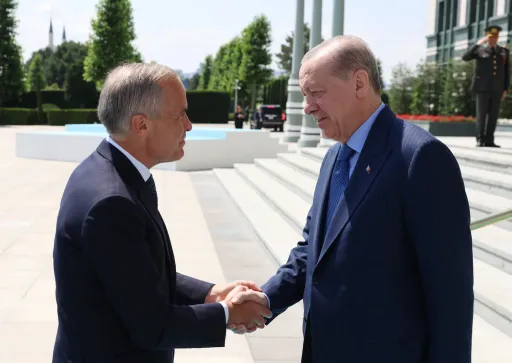
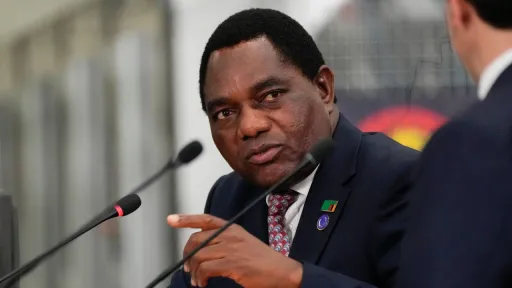
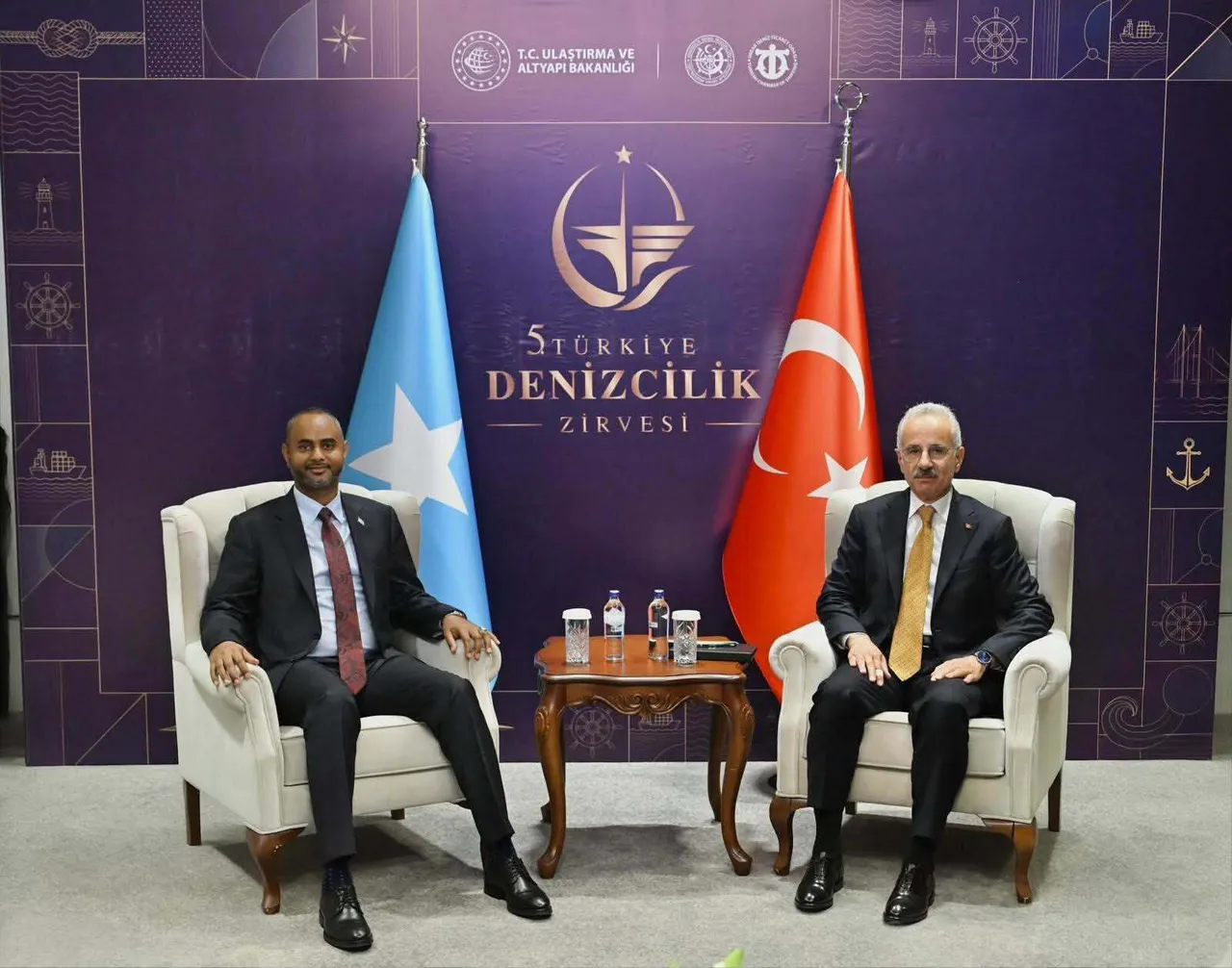
On the sidelines of the forum, Somali Ports and Maritime Transport Minister Abdulkadir Mohamed Nur met Türkiye’s Minister of Transport and Infrastructure, Abdulkadir Uraloğlu, to discuss expanding cooperation in maritime transport, port development and other areas of mutual interest.
The Somali minister described Türkiye as “a major brotherly nation” that has supported Somalia’s recovery and state-building efforts, adding that the two sides discussed strengthening bilateral collaboration in the maritime sector.
He also met Egypt’s Deputy Prime Minister for Industrial Development and Minister of Industry and Transport, Kamel Al-Wazir, where the two delegations discussed enhancing cooperation in maritime transport, port development and trade between the two countries.
According to the Somali minister, the discussions also covered regional developments and ways to strengthen joint efforts in addressing shared challenges affecting the Horn of Africa and the wider region.








Significant reforms
The meetings came shortly after Somalia announced it had joined 15 international maritime conventions, protocols and legal instruments in what the government described as the country’s most significant maritime legal reform since independence in 1960.
The agreements cover key areas including maritime safety, navigation, environmental protection, oil pollution response, maritime security, seafarer training and compensation for pollution-related damage.
The minister said the move is intended to align Somalia with international maritime standards, improve maritime governance, attract foreign investment and strengthen the country’s role in global shipping despite possessing Africa’s longest coastline.
For decades, Somalia had been party to only three international maritime agreements, limiting its integration into the global maritime transport system, the ministry said.
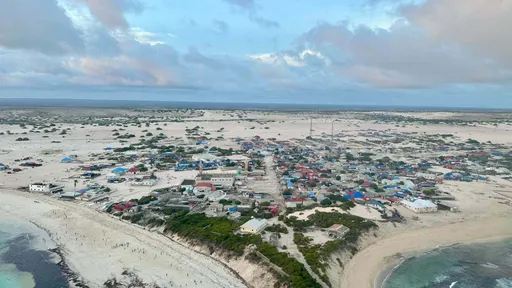
Officials said the reforms form part of Somalia’s National Transformation Plan and complement wider investments in maritime infrastructure, including the introduction of 24-hour operations at Mogadishu Port and plans to begin construction this year of a new international port and Special Economic Zone on the outskirts of the capital.
The ministry said the legal reforms would strengthen Somalia’s capacity to improve maritime safety, combat marine pollution, protect seafarers’ rights and ensure vessels operating in Somali waters comply with international standards, while reinforcing cooperation with international maritime partners.