Police in Guinea-Bissau have seized a batch of vaccines from a facility affiliated with a stalled, US-funded hepatitis B immunisation trial on newborn babies that the WHO has slammed as "unethical".
The study, which would randomise whether or not 14,000 newborns in the highly impoverished west African nation receive a hepatitis B vaccine birth dose, was suspended pending further technical review, the WHO said in February.
The Guinea-Bissau judicial police said that on Monday they carried out a "seizure of a batch of hepatitis B vaccines intended for the immunisation of children in the country".
The vaccines were confiscated at the Bandim Health Project, which is led by Danish researchers in charge of the hepatitis B testing.
The Danish researchers' previous work has looked into alleged vaccine harms, and their methods have come under scrutiny by the scientific community.
‘Proven safety records’
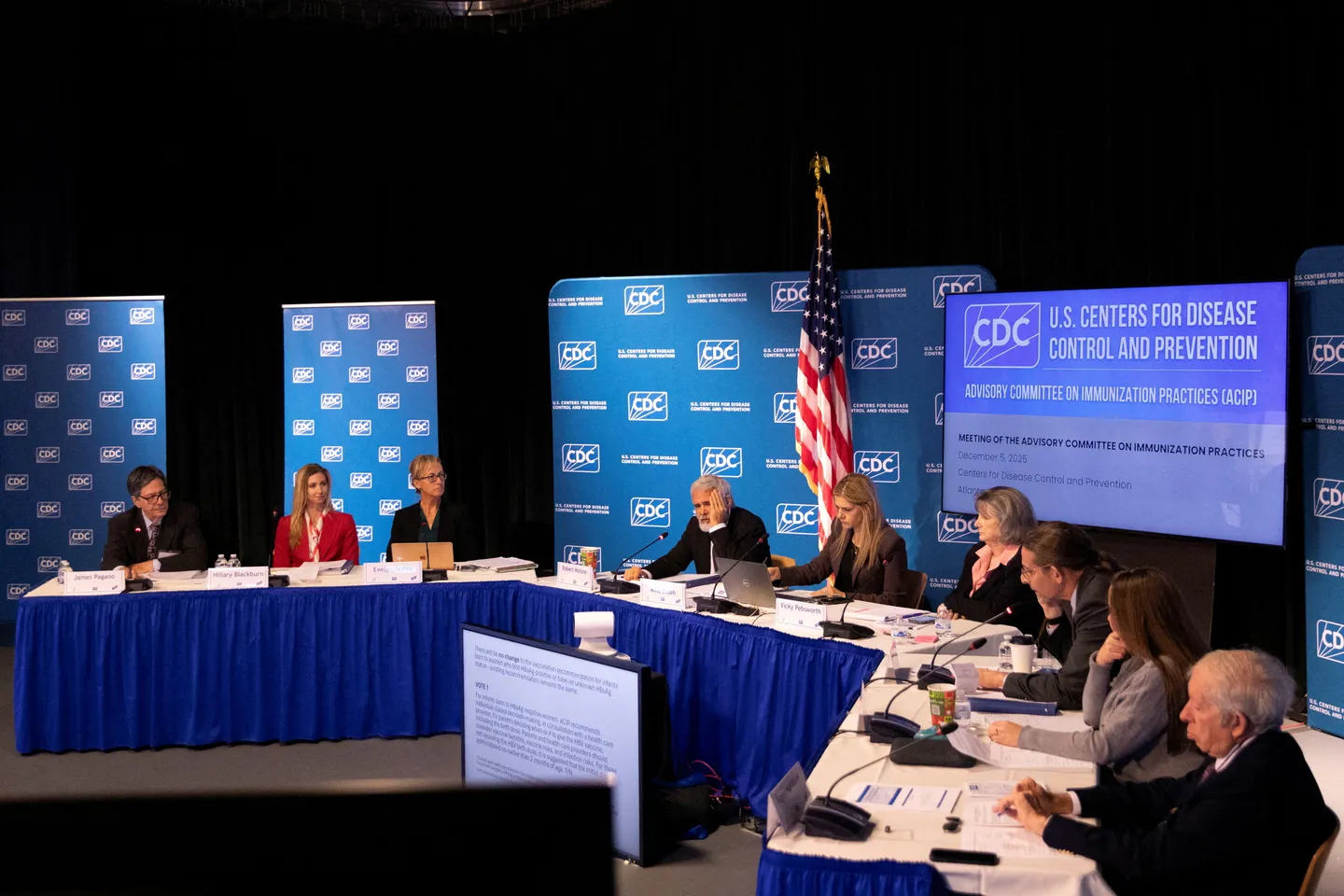
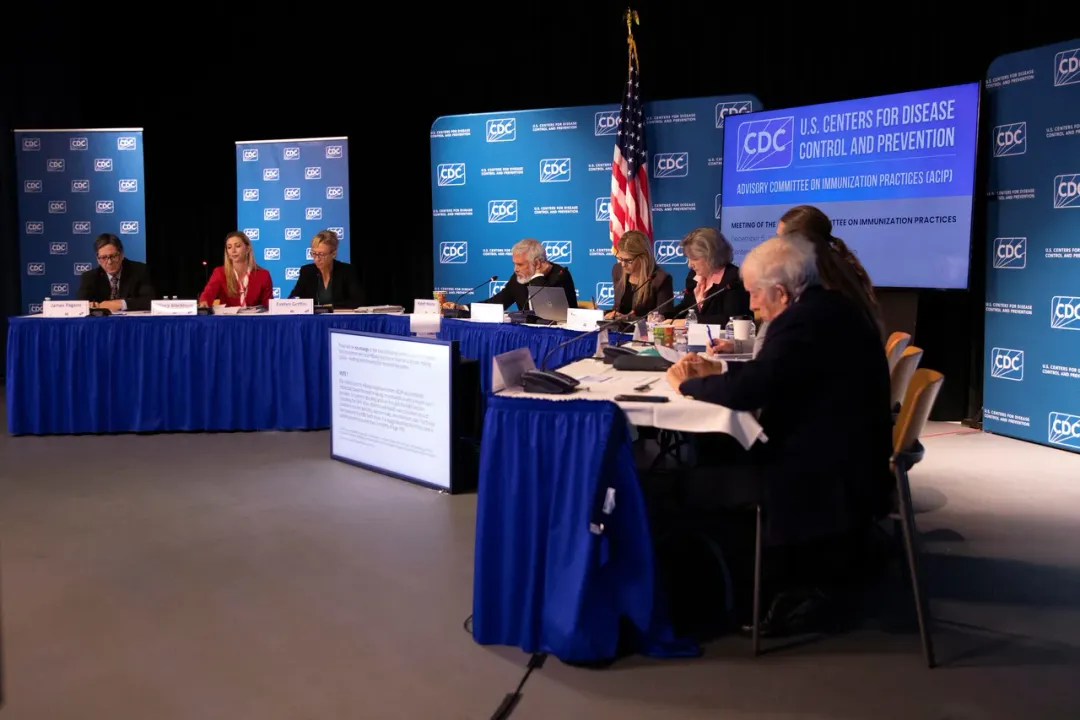
The US Centers for Disease Control and Prevention had awarded a $1.6 million grant for the Guinea-Bissau testing.
Guinea-Bissau has a high prevalence of hepatitis B and "withholding a birth dose could actually expose infants to a high chance of infection, and that means including a significant proportion of deaths", WHO chief Tedros Adhanom Ghebreyesus said in February.
Testing a vaccine already proven effective stirred controversy in public health and scientific circles. The WHO has reported that the vaccine has a "proven safety record across decades of use".

Guinea-Bissau's judiciary police said in a statement that the seizure "is part of an ongoing investigation aimed at shedding light on the circumstances surrounding this specific batch of vaccines".
‘Protecting children’s health’
The investigation, it added, is aimed at "safeguarding the public interest and protecting children's health".
According to the WHO, the hepatitis B vaccine is "effective in preventing 70–95 percent of cases of mother-to-child transmission" of the disease, which can be acquired at birth.
More than 12 percent of adults in Guinea-Bissau are estimated to have chronic hepatitis B, the WHO says. And approximately two percent of children under five have the disease, which is well above the global target.
Hepatitis B can lead to chronic infection, cirrhosis and liver cancer and causes hundreds of thousands of deaths globally each year.
The seizure of the vaccines did "not, in itself, lead to the conclusion that there are any irregularities regarding the quality, safety, or efficacy of the vaccines", the police statement said.