 Sylvia Chebet
When the Rapid Support Forces (RSF) militants stormed al Fasher in October 2025, unleashing a wave of killings, Abeer and her sister climbed into a crowded car with other fleeing villagers—grasping at any chance to escape alive.
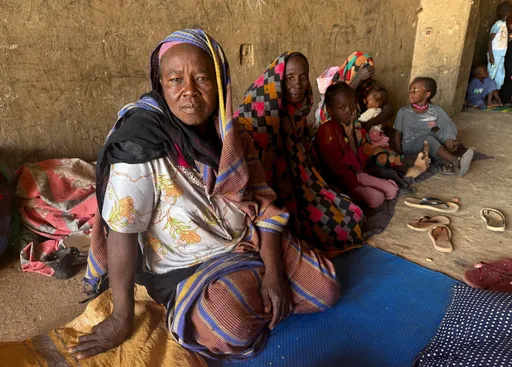
After eight days that felt like a lifetime, they finally reached al Dabbah refugee camp in Sudan’s Northern State. Abeer is 18, though what she has endured on the roughly 800-kilometre journey from al Fasher has already marked her with experiences far beyond her years.
The road to safety was anything but safe. Armed men stopped their vehicle repeatedly, searching and humiliating the girls travelling with her. “They threatened us saying: ‘We can kill you. We can rape you. We can leave you here,’ Abeer recalls, noting the attackers made good their threats.
“One girl was tied to a tree for three days in front of us. Our friend was raped and became unable to speak after the ordeal.”
At one point, their car broke down in the desert, leaving them exposed. Abeer and her sister were beaten and forced to drink dirty water. The vast emptiness around them offered no protection—only silence.
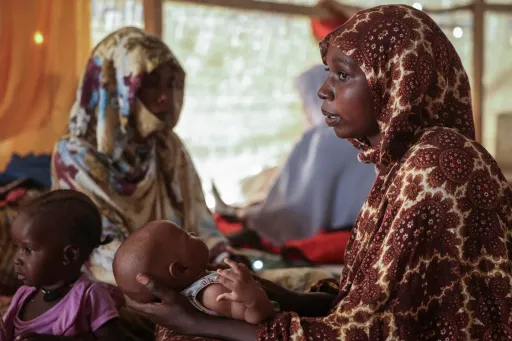
Finally, the car roared back to life and sped them toward al Dabbah camp, where tents and basic supplies offered a fragile sense of safety. But Abeer says for many, the ordeal did not end there—the girls who were assaulted on the journey remain trapped in silence, too afraid to speak about what they endured.
“We can’t talk about it because we’re afraid. These girls are staying with us here right now, still suffering.”
Mariam was not as lucky—there was no car, no quick escape. For five days, she walked across killing fields, as al Fasher fell to the RSF.
No food. No water. Only the sound of fighting closing in on al Fasher, and the urgency to escape it. She moved with her family, pushing forward as her strength faded. By the time they reached a displacement camp, she was barely holding on.
When her mother finally brought her to a health facility in the camp, it became clear that Mariam’s condition was not only due to exhaustion—she had been raped. A medical examination confirmed she was pregnant.
Now displaced and without stable shelter, Mariam and her family are struggling to access maternity care, adequate nutrition and even the most basic necessities.
As the war between the RSF and the Sudanese Armed Forces rolls into its fourth year on April 15, stories like Abeer’s and Mariam’s are everywhere—and yet rarely heard.
Across Sudan, more than 12 million people have been displaced, many of them multiple times. Entire cities have emptied. Families have been scattered. What remains is a country where survival is uncertain and protection is scarce.
According to Plan International, girls and women are paying the highest price.
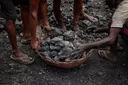
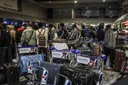

An estimated 12 million people are at risk of gender-based violence, including rape and sexual assault. These are not isolated incidents but part of a pattern repeated along roads, in homes, and inside camps where safety is supposed to exist.
At the same time, the systems meant to help survivors are collapsing. Hospitals have been damaged or destroyed. Some are now targets of drone attacks. Medical staff are overwhelmed or unable to reach those in need.
And yet, despite the scale of the crisis, the war in Sudan is fading from global attention.
Aid organizations, including Plan International, continue to work under extreme conditions to give girls like Mariam and Abeer a lifeline. More than 120 aid workers have been killed since the conflict began.
Funding remains critically low, even as needs surge. More than 30 million people now require urgent humanitarian assistance.
“We need a drastically scaled‑up humanitarian response. This can only be achieved through greater funding at a time when aid budgets are shrinking. Without financial backing, lives - and the futures of girls and young women across Sudan - will be lost,” Mohamed Kamal, Plan International’s Country Director told TRT Afrika.
For girls like Mariam, this can mean navigating pregnancy in displacement, without adequate healthcare or safety. For others, like those travelling with Abeer, it means carrying trauma they are too afraid to speak about.
The war is also stealing something less visible, but just as devastating: the future.
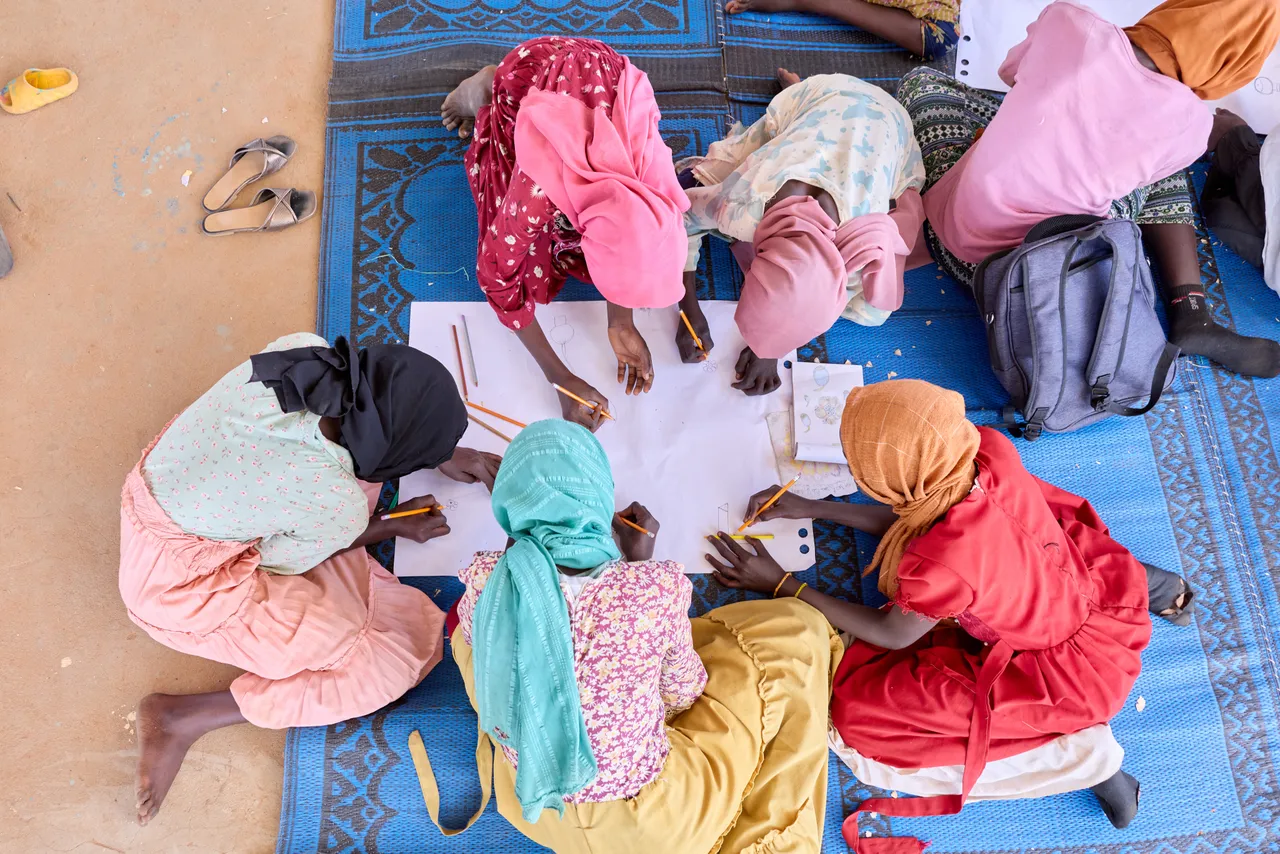
More than 14 million children are now out of school, most of them girls. Classrooms have been reduced to rubble or turned into shelters for the displaced. With learning brought to a halt, risks multiply especially for girls: early marriage, exploitation, and cycles of poverty that may last generations.
“This conflict has devastated Sudan. Young people are missing out on an education, hospitals are in ruins and communities are being torn apart. The long‑term consequences will be felt for generations if we do not act now,” Kamal emphasized.
Research shows that among girls now out of school, increasing numbers cite marriage as the primary reason—a shift that underscores how conflict reshapes not just the present, but the trajectory of entire lives.
“We’ve been cut off from education,” Abeer says. “I dropped out in sixth grade.” Mariam still holds on to the dream of returning to school despite the pregnancy.
Three years on, the conflict is no longer defined solely by those who have died or fled, but by those who continue to live with its consequences. For Sudan’s girls, the war is not just fought on front lines—it is carried in silence, in memory, and in the daily struggle to endure.
Abeer’s and Mariam’s stories are not just testimonies of loss. They are reminders of what is at stake if the world continues to look away.