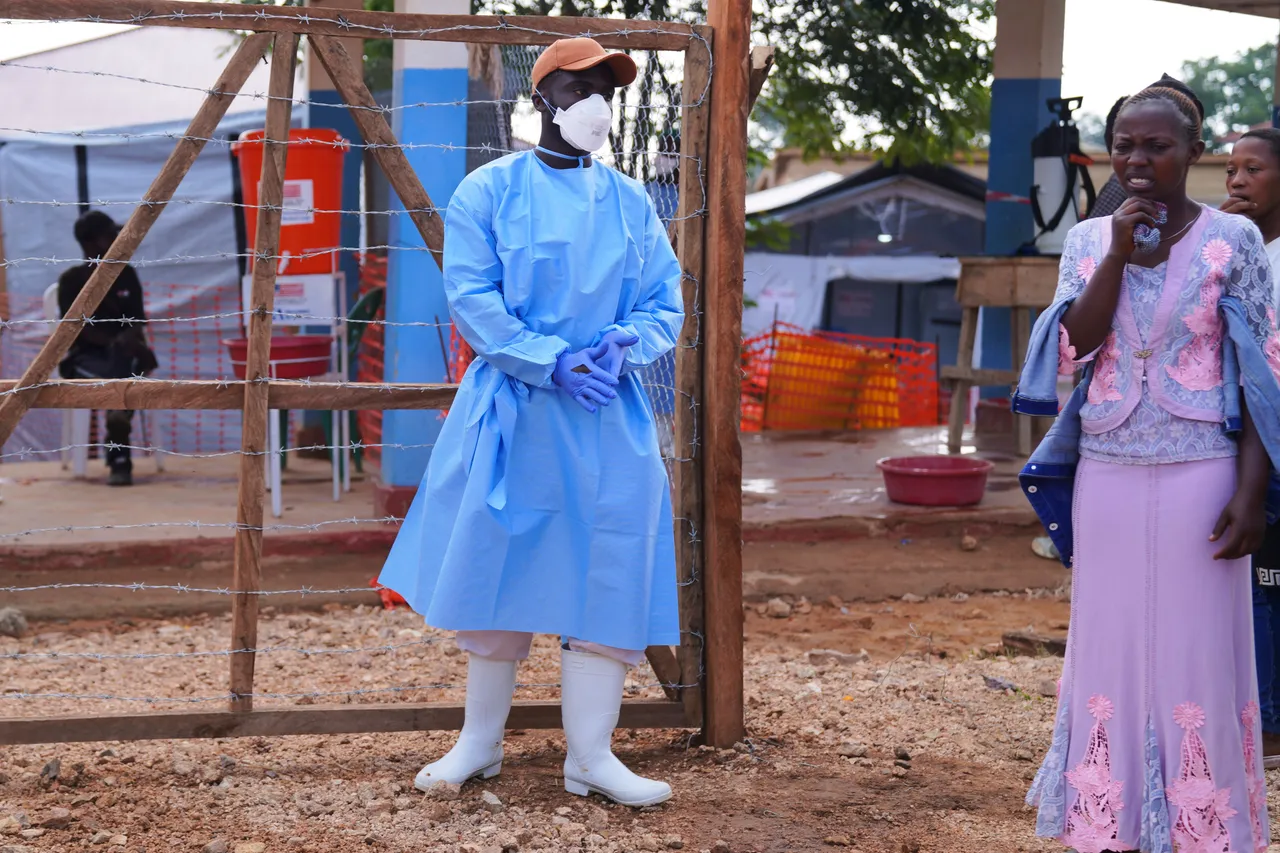
The Democratic Republic of Congo (DRC) is grappling with a severe Ebola outbreak that has claimed over 1,400 lives, according to the latest official data released on Monday.
The alarming figures indicate that the current outbreak is rapidly approaching the scale of the country's largest recorded Ebola crisis, raising concerns among health officials and the international community.
The DRC's Health Ministry reported that since the declaration of the 17th Ebola outbreak in mid-May, there have been approximately 3,200 confirmed infections.
The death toll has reached 1,405, highlighting the urgent need for effective containment measures. As of July 25, there were 773 patients either in isolation or receiving hospital care, while 571 individuals have successfully recovered from the virus.
Geographical spread of the virus
The Ebola virus has spread across five provinces: Haut-Uele, Ituri, North Kivu, South Kivu, and Tshopo. This widespread transmission underscores the challenges faced by health authorities in controlling the outbreak.
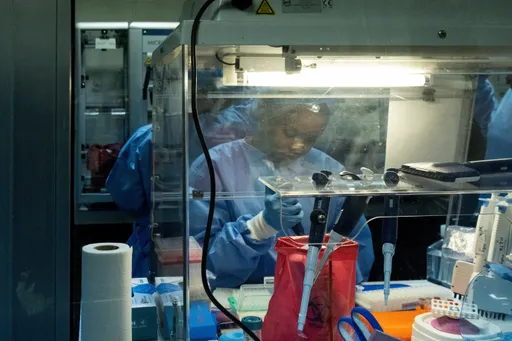
Surveillance, diagnostic efforts, case management, and contact tracing activities are ongoing, as officials work tirelessly to contain the disease's spread.
The current outbreak is just 270 cases shy of the DRC's 10th Ebola outbreak, which occurred between August 2018 and June 2020, primarily affecting North Kivu and Ituri provinces.
During that crisis, health authorities documented a staggering 3,470 cases, with 2,287 fatalities. The comparison emphasizes the severity of the ongoing situation and the need for immediate action.



Strengthening the response
In response to the escalating crisis, Jean Kaseya, Director General of the Africa Centers for Disease Control and Prevention, announced on Saturday that immediate measures have been agreed upon with Congolese Prime Minister Judith Suminwa.
These measures aim to bolster the Ebola response, safeguard frontline health workers, and address critical operational gaps that have emerged during the outbreak.
Kaseya has also called upon African leaders and international partners to contribute at least $1.4 billion to enhance the continent's response to the Ebola outbreak.
During a session of the African Union Assembly in Accra, he highlighted that the response budget has surged from an initial estimate of $518 million as the situation continues to deteriorate.
The DRC's ongoing battle against Ebola serves as a stark reminder of the persistent threat posed by infectious diseases in the region.
As health authorities work to implement containment strategies, the need for international support and collaboration has never been more critical. The situation remains fluid, and the coming weeks will be crucial in determining the trajectory of this outbreak.
With the death toll rising and the number of infections increasing, the DRC faces an uphill battle in its fight against Ebola.
The international community's response will play a pivotal role in shaping the outcome of this crisis, as health officials strive to protect vulnerable populations and prevent further loss of life.