For years, the critics have been loud. The opposition has been louder still.
They told you Somalia gave away its oil. They told you the deal was a betrayal of the Somali people. They said the government sold the future for nothing. They were wrong. And deep down, many of them know it.
Here is the truth, written in plain words that anyone can understand.
Somalia did not take the quick money — and that was the right call.
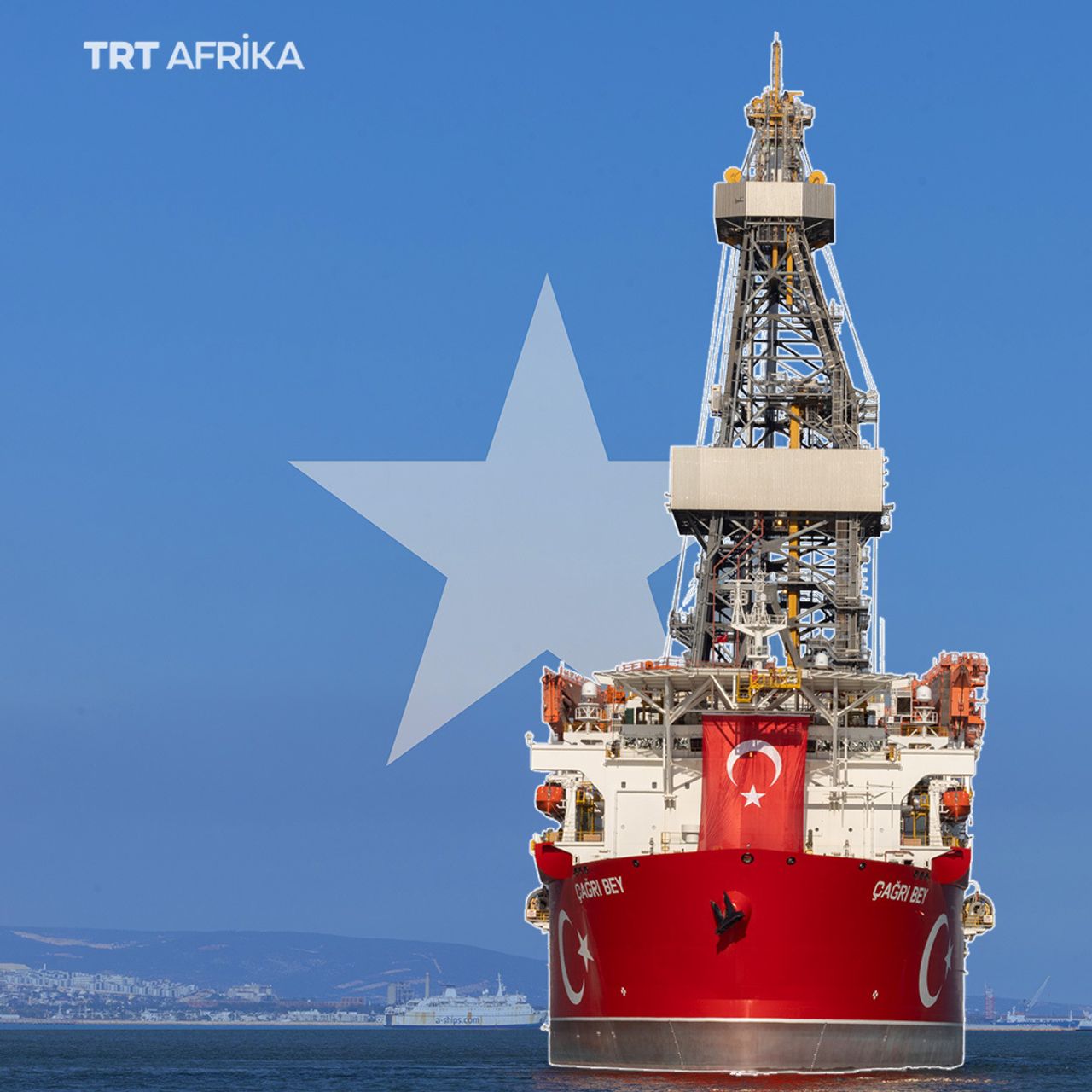
When a country discovers oil, the first question is simple: do you want money now, or more money later? It sounds like an easy choice. But history shows that countries which grabbed the fast cash almost always regretted it.
Somalia looked at what happened to others and chose differently. Instead of taking a large payment up front, Somalia negotiated a structure where the real rewards come once exploration costs are paid off. That means when the oil actually starts flowing at scale, Somalia keeps a significantly larger share of the profits. Not the oil companies. Not foreign governments. Somalia.
That is not only a good deal. That is actually a smart deal.
What happened to countries that took fast money?
Look at Guyana. Early payments came quickly, and the headlines were exciting. But when you look at the long-term numbers — the share of revenues the state receives once production is fully underway — Guyana’s first-generation contracts left more money on the table than they needed to. The companies did well. The country did okay. There is a difference between the two.
Look at Mozambique. They moved fast, perhaps too fast. Production began before the country had fully established the scale of what it was sitting on. Without knowing the true size of your reserves, you cannot negotiate from strength. You are guessing. And when you guess in an oil deal, the companies — who have done this a hundred times before — will always know more than you.
Somalia is not making that mistake. The exploratory work is being done properly. The 3D seismic coverage of Somalia’s offshore basin gives a far clearer picture of what lies beneath the seabed. That information is power. It means Somalia can negotiate from a position of knowledge, not hope.
The deep water advantage
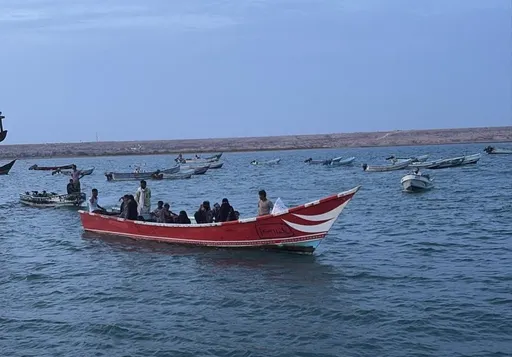
Somalia’s offshore basin is not a small patch of water. It is a significant stretch of ocean with real geological promise. Deep water discoveries have historically produced some of the largest and most profitable oil finds on the continent.
The basin size alone boosts Somalia’s long-term profit potential well above what many land-based African discoveries have delivered.
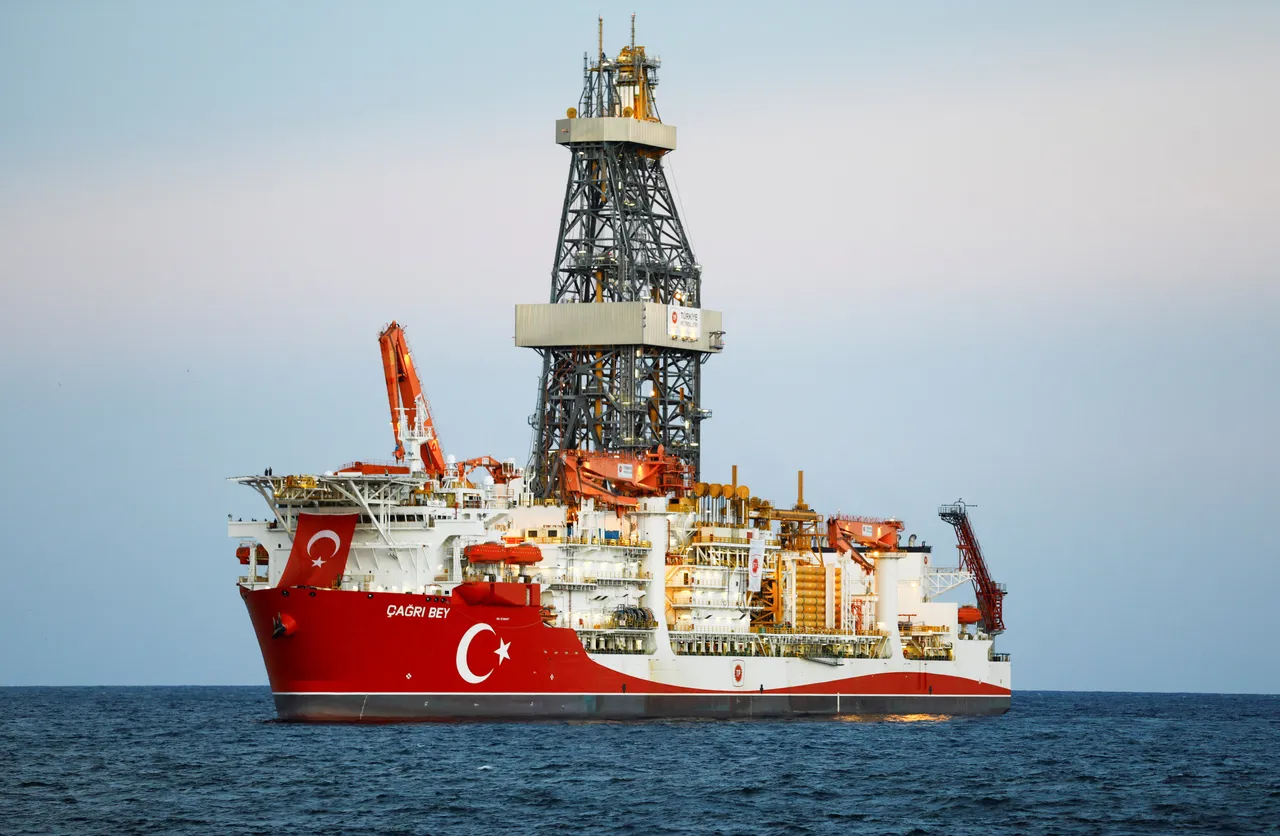
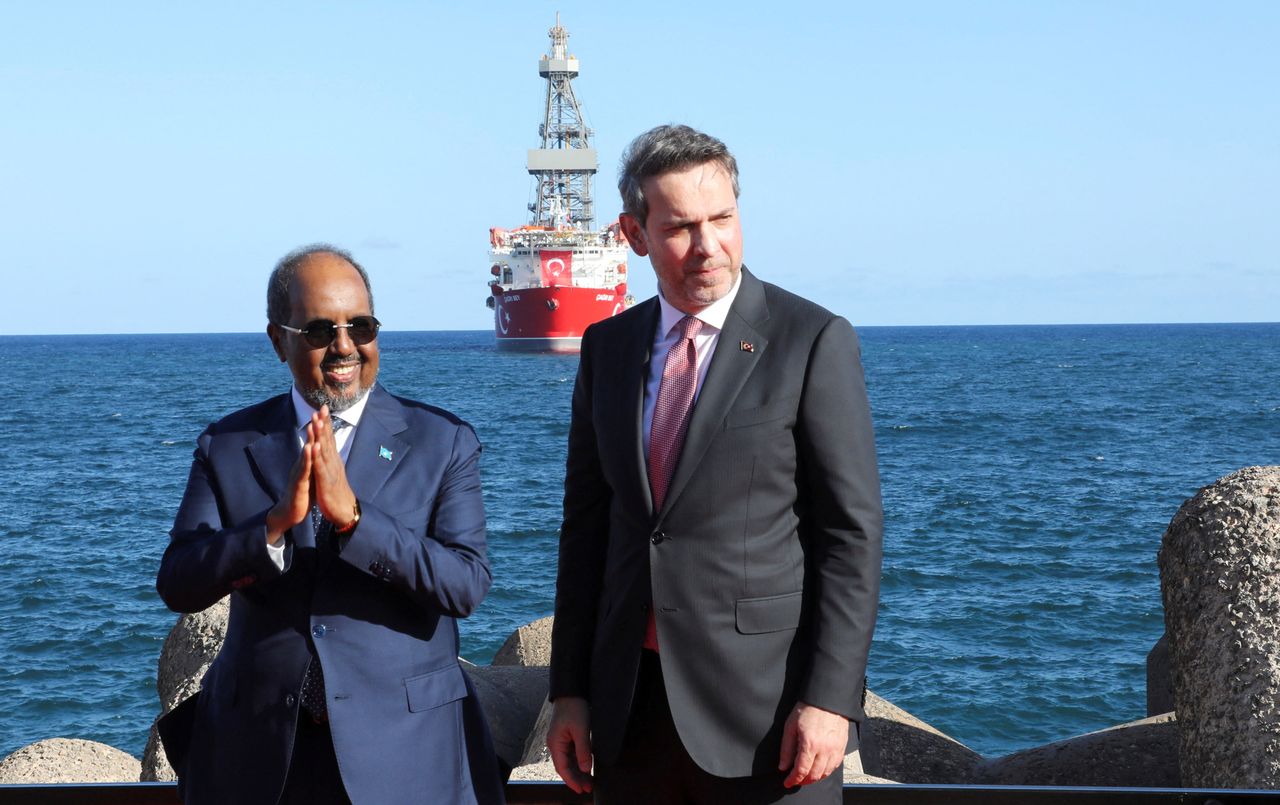
And critically, Türkiye is there. Before the first barrel is confirmed, before the first dollar of oil revenue arrives, Somalia has a partner helping to protect its maritime interests. This matters more than many people realise.
Countries that went into early-stage oil exploration without that kind of protective partnership lost billions — not to bad contracts, but to the chaos that surrounds the process before contracts even become relevant. Security is not separate from the economics. Security is part of the economics.






What this deal could mean for Somalia?
If the offshore reserves are confirmed at scale, Somalia could find itself holding one of the best petroleum deals on the African continent. Not because someone was generous. Because Somalia was patient and structured the agreement intelligently.
A larger state share of revenues once production is running. A longer benefit curve that does not run dry after the first two or three years. A deal that delivers not just to this government, but to the governments that come after it — and to the Somali people they will serve.
This is not a guarantee. Oil is never a guarantee. Exploration can disappoint. Markets can shift. These are real risks and no honest person should pretend otherwise. But the structure of this deal gives Somalia the best possible position to benefit if the finds are what early indicators suggest they could be.
About the critics
Failed politicians have only one weapon left. It is not policy. It is not vision. It is fear. Fear dressed up as concern. Lies designed to break the public’s hope before that hope has a chance to become something real.
They offer nothing. No alternative framework for Somalia’s energy future. No competing proposal for how to handle the offshore resources differently. Just noise, repeated loudly and often enough that some people start to believe it.
We see it clearly. And we are not moving.
Somalia is not hopeless. Somalia is not naive. Somalia is simply tired of the few who have made careers out of trading in fear and division. Patience chose this deal. Knowledge shaped it. And if the ocean delivers what it may hold, the Somali people not the critics, not the companies, not the politicians who fled when things were hard — will be the ones who benefit most.
That is worth defending. And we will keep defending it.
The author, Ismail D. Osman, is a former Deputy Director of Somalia’s National Intelligence and Security Agency. He writes on Somalia, the Horn of Africa, and regional security with a focus on governance and power dynamics. Contact: osmando@gmail.com | X: @osmando
Disclaimer: The views expressed by the author do not necessarily reflect the opinions, viewpoints and editorial policies of TRT Afrika.