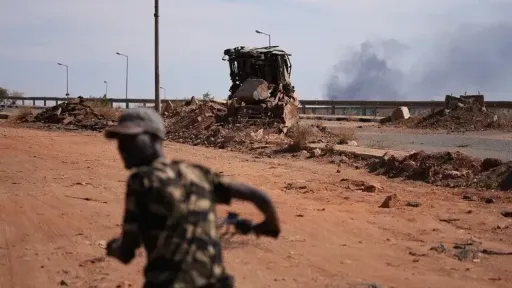
One year after M23 rebels stormed into Goma, the rebel group still controls the main city in eastern Congo and is tightening its grip.
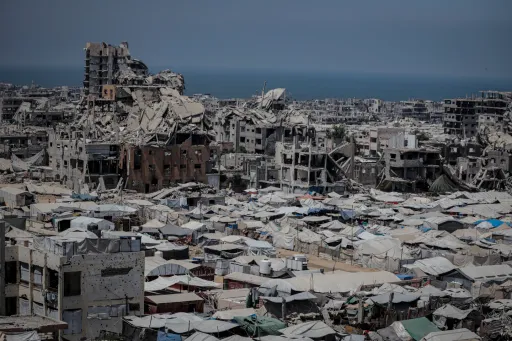
The scars from the fighting between the Congolese army and M23 in January 2025 remain visible, but life has gradually returned to normal: Markets are functioning and people are adapting, but there is no real economic recovery.
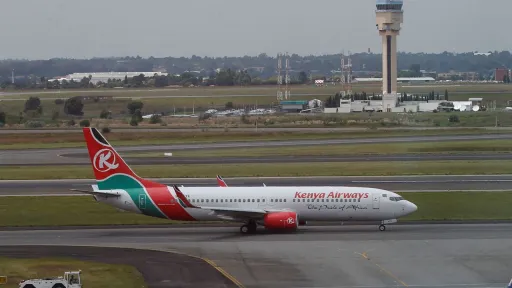
Bank closings, followed by the shutdown of the international airport, have severely crippled economic activity, plunging thousands of households into poverty.
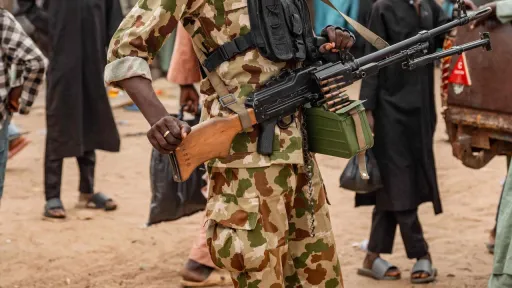
The M23 group is the most powerful among dozens of armed groups vying for a foothold in mineral-rich eastern Congo, near the border with Rwanda.
The conflict has created one of the world’s most significant humanitarian crises, with more than 7 million people displaced, according to the UN agency for refugees.
Following a sharp escalation of fighting early last year, M23 rebels took over Goma, which remains in their hands today.
ATMs out of service
In downtown Goma, the banking district is one of the most striking symbols of the new reality, with once-bustling buildings now shuttered. ATMs are out of service, and the bank signs are off.
That leaves people almost completely dependent on mobile phone money transfer services.


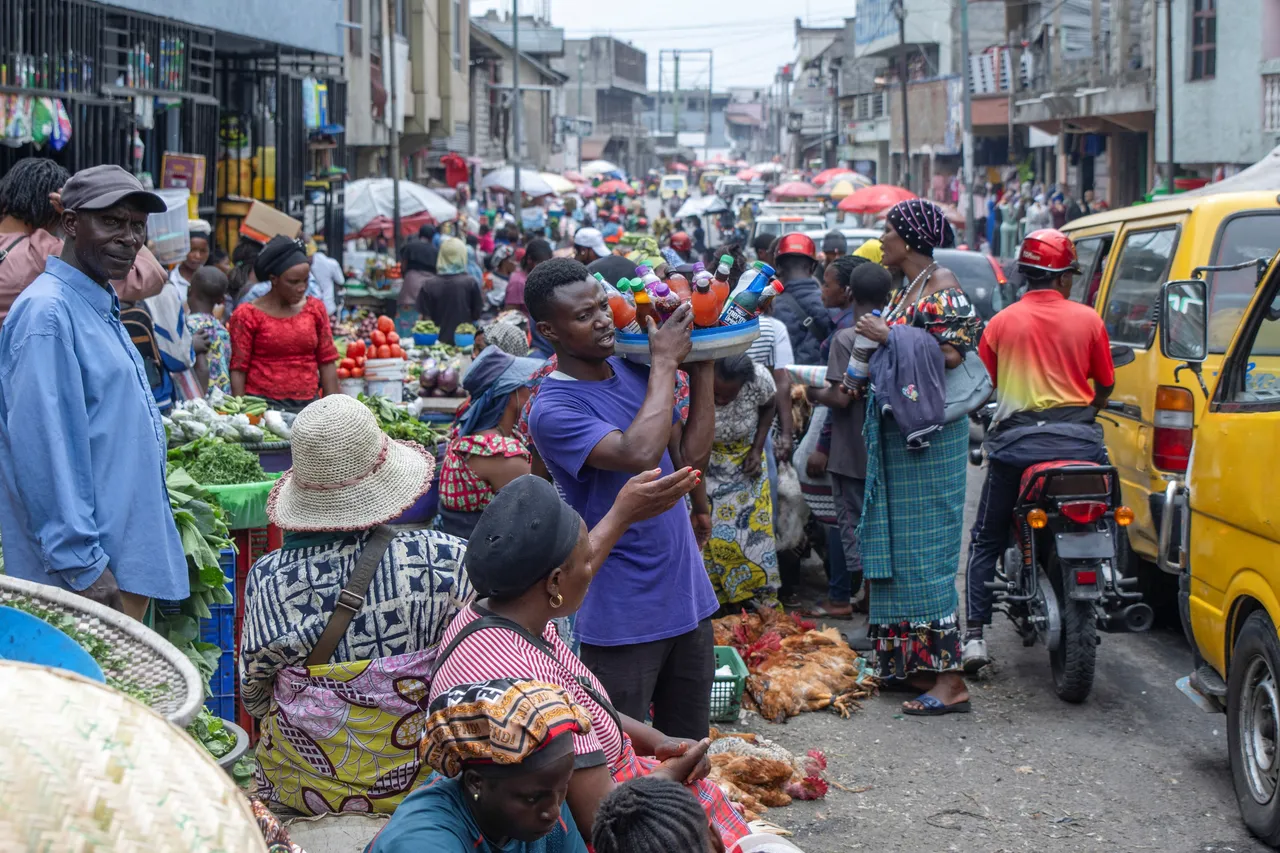
At the nearby Kituku Market, the city’s main trading center, crowds were visible on Monday, the traditional market day.
Local boats docked at the pier, unloading food products from the surrounding rural areas, which are quickly displayed in the stalls.
Seated behind their stalls, women were selling vegetables, flour, secondhand clothing and basic necessities.
Espérance Mushashire, 44, a mother of 12, has been selling vegetables for years. She says many customers only come to inquire about prices, and then leave.
“We buy at high prices, but we hardly sell anything. Customers have no money left. Our children don’t even go to school anymore," Mushashire said.
At the university, an economics professor teaches his students, attempting to analyze a situation that defies conventional models. Deo Bengeya describes an economy paralyzed by the absence of financial institutions.
According to him, without banks, recovery remains impossible: no credit, no investment, no safeguarding of savings. Households consume what they have, when they can, without any prospects.
“The economy of the city of Goma after its fall is in a very critical state,” Bengeya told The Associated Press. “The purchasing power of the population has fallen, some residents have fled the city, wages have fallen, and unemployment has risen."
A year after Goma's fall to the rebels, the inhabitants move forward in small steps, driven by a single certainty: the obligation to continue living, even when the future seems uncertain.