Ghana is set to host a major global conference on reparatory justice next month, following what officials are calling a “historic” resolution by the United Nations recognising the transatlantic slave trade as a crime against humanity.
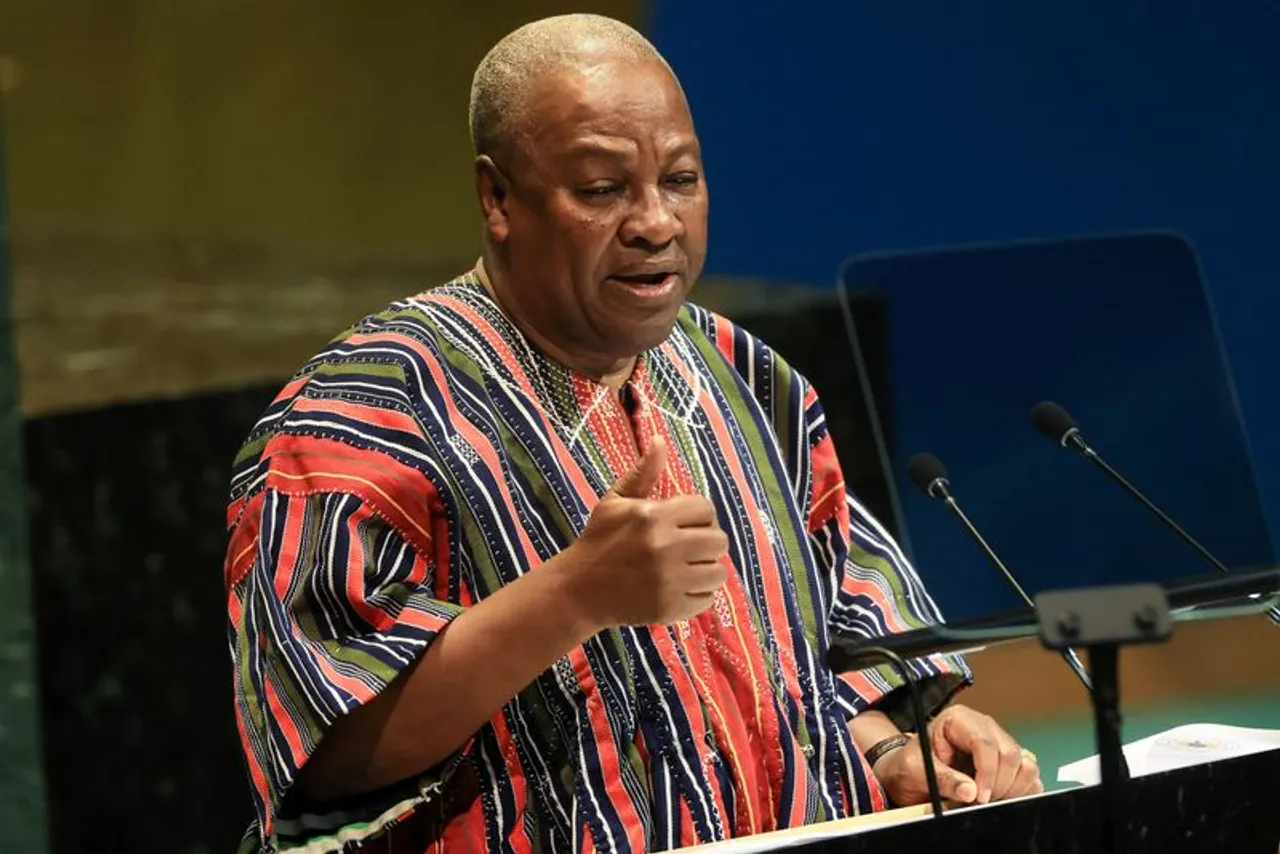
According to the Ghana News Agency, the three-day conference will take place from June 17 to 19 in Accra and will be hosted by President John Dramani Mahama, who also serves as the African Union’s champion for reparations.
The event follows overwhelming support at the UN, where 123 member states voted in favour of the resolution, with only three countries opposing it—an outcome widely seen as a significant shift in global consensus on historical accountability.
In a statement reported by the Ghana Ministry of Foreign Affairs, the government said the conference would “chart the next phase of the global reparations agenda” and deepen international dialogue on justice for the descendants of enslaved Africans.
Reparatory justice
“The conference will bring together heads of state, diplomats, scholars, activists and representatives of international organisations,” the statement said, underscoring the breadth of participation expected at the high-level gathering.







Officials say the meeting in Accra aims to move discussions beyond acknowledgement toward concrete frameworks for reparatory justice, including economic, political and cultural redress.
Ghana has increasingly positioned itself at the forefront of the reparations movement, building on earlier initiatives such as the “Year of Return” and “Beyond the Return” campaigns, which sought to reconnect the African diaspora with the continent.
With the backing of the African Union and growing international support, the Accra conference is expected to consolidate Africa’s voice in global reparations negotiations and push for coordinated action at multilateral levels.
Analysts say the timing is critical, as momentum builds globally for addressing historical injustices linked to slavery and colonialism—issues that continue to shape economic disparities and social inequalities today.
The June conference is expected to conclude with a roadmap or declaration outlining agreed priorities and strategies for advancing reparatory justice worldwide.