 Pauline Odhiambo
The journey from Kalehe territory in the Democratic Republic of the Congo to the safety of Burundi should take three days. For Cizungu Ntakirutimana, it took a lifetime to leave behind.
"When the shooting started, we ran with nothing but the clothes we were wearing," the 47-year-old father of six tells TRT Afrika, his eyes fixed on the dusty ground of the Busuma refugee site in northeastern Burundi.
His children cluster around him, their faces bearing the hollow look of those who have seen too much. "My wife was separated from us somewhere near Uvira. I don't know if she is alive or dead."
Ntakirutimana is one of more than 90,000 people who have flooded across Burundi's borders in the past three months alone, fleeing an intensification of conflict in eastern DRC. They arrive exhausted, traumatised, and desperately in need of assistance in a country that is itself struggling to stay afloat.
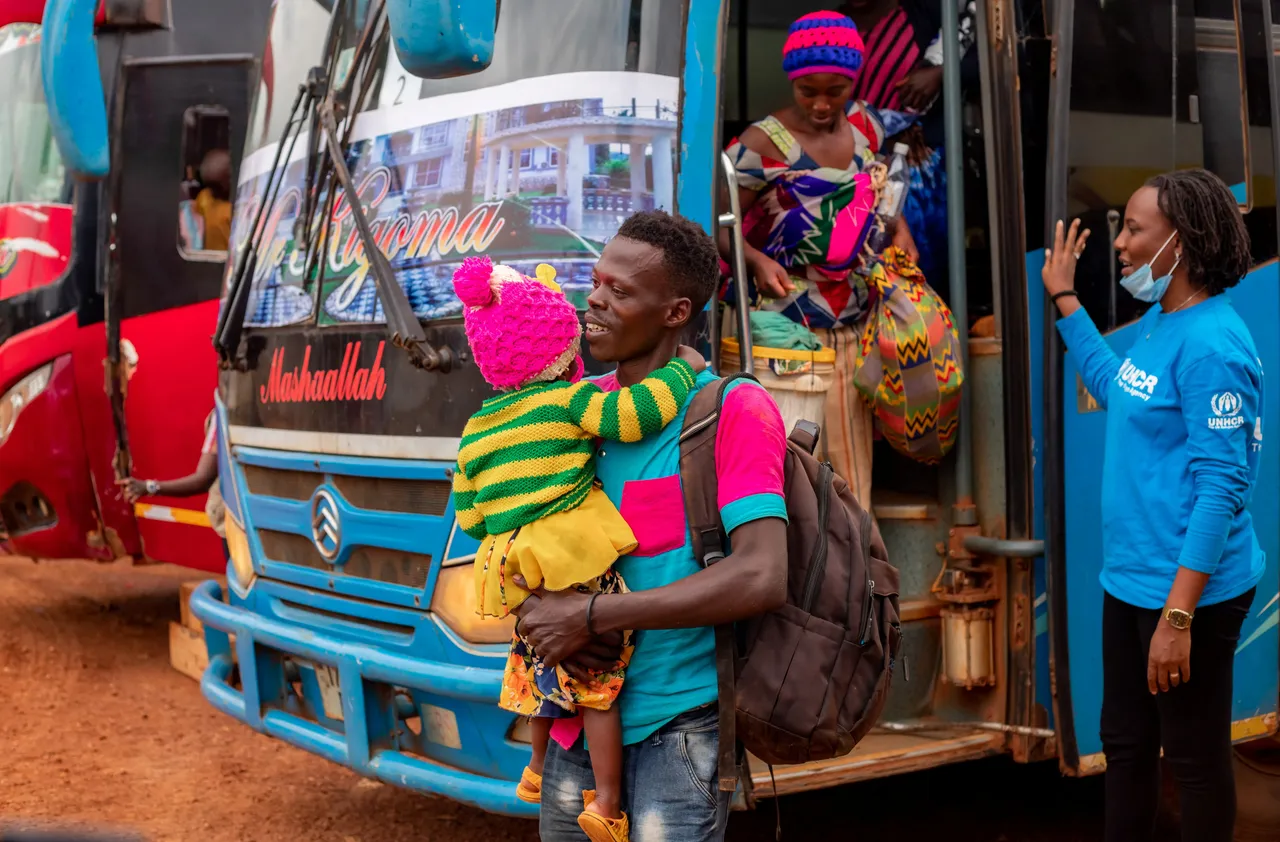
At the Nyabitare transit centre, perched on Burundi's border with Tanzania, a different kind of homecoming is unfolding under the scorching sun. Florentine Ndayizeye, 62, steps down from a weathered truck clutching a small bag containing her remaining possessions. Behind her trail four grandchildren, the youngest just two years old.
‘Seeking refuge, returning home’
"I left Burundi in 2015 when the violence started," she explains, her voice barely above a whisper. "I built a life in Tanzania. I planted crops. My grandchildren were born there. Now we are back with nothing."
Ndayizeye is among more than 28,000 Burundian refugees who have returned from Tanzania in just the first two months of 2026—over 8,000 of them in the past week alone.
This figure dramatically exceeds the weekly target of 3,000 agreed upon during the November 2025 Tripartite Commission Meeting between the governments of Tanzania, Burundi, and UNHCR.
"I thought I would have time to prepare, to say goodbye properly," Ndayizeye says, her weathered hands trembling slightly as she adjusts the cloth wrapped around her youngest grandchild. "But things moved so fast. Our shelters were taken down. We had to leave immediately."
These two people—one seeking refuge, one returning to a homeland she barely remembers—represent the converging humanitarian crises now testing Burundi to its breaking point.
The East African nation currently hosts more than 230,000 refugees, mainly from the DRC, according to the UNHCR, while simultaneously reintegrating hundreds of thousands of its own citizens returning from years in exile.
Crowded camps
Last week, when UNHCR's Assistant High Commissioner for Protection, Ruvendrini Menikdiwela, walked through the overcrowded corridors of the Busuma refugee site, she witnessed firsthand what happens when generosity meets empty coffers.
The site, now hosting over 66,000 Congolese refugees who have arrived since late 2025, was never designed for such numbers. Families crowd under makeshift shelters cobbled together from plastic sheeting and branches. The queue for the single water point stretches for hours under the relentless sun. Children with distended bellies and listless eyes stare as visitors pass—signs of a malnutrition crisis that aid workers fear is about to worsen.
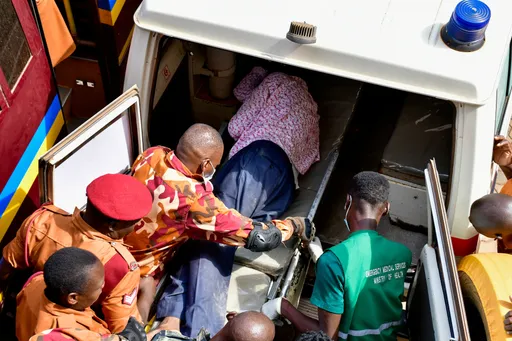
"Cholera and other preventable diseases remain a serious threat," Menikdiwela noted during her visit. Nearly 10,000 people remain stranded in transit centres with limited infrastructure, awaiting transfer to the already overwhelmed site.
The scenes playing out at Nyabitare transit centre are equally stark. Here, Burundian families returning after nearly a decade in exile find themselves in a country that has changed dramatically since they left. They queue for registration, for food rations, for any information about what comes next.

‘Strangers in our own country’
Jean-Claude Niyonzima, 34, arrived last week with his wife and three children. He was just 23 when he fled Burundi.
"I don't remember this place," he admits, gesturing vaguely at the landscape around him. "I don't know where we will go, how we will rebuild. They say our old village is different now. New people live there. We are strangers in our own country."
UNHCR has expressed serious concern about the circumstances of these accelerated returns. Reports indicate that refugee shelters in Tanzania have been demolished, forcing people to take refuge in already overcrowded departure centres. Some refugees have reportedly been subjected to mistreatment during the process.
"We continue to advocate with the Government of Tanzania at all levels to ensure that refugee rights and needs are safeguarded and that all returns are voluntary, safe and dignified," Menikdiwela emphasized.
The financial reality is unforgiving. Of the $35 million required to provide lifesaving assistance in Burundi this year, only 20 percent has been received. The gap between escalating needs and available resources grows wider by the day.
"The strain on resources is compounded by the steady return of Burundian refugees from neighbouring countries," Menikdiwela explained. "Capacity is severely overstretched in Burundi's reception and transit centres. Increased return pressures, reduced resources and limited staffing are straining operations on both sides of the border."
At Busuma, the shortage of clean water, food, medicine, shelter, and protection services is not an abstract statistic—it is a daily reality for Ntakirutimana and his children, who still wait for news of his wife.
"When we arrived, they gave us some food and told us to wait," he says. "We are still waiting."
At Nyabitare, Ndayizeye and her grandchildren are also waiting—for transportation to a village she left before they were born, for the materials to build a shelter, for seeds to plant, for a future that remains uncertain.
Claiming hope
Yet amid the overwhelming need, there are glimmers of what could be possible with adequate support. Local communities have opened their homes and hearts to the newcomers, sharing meager resources with those who have nothing. Markets near the refugee sites have seen increased activity as humanitarian presence brings some economic opportunities.
"Burundi has shown extraordinary generosity in hosting tens of thousands of people fleeing violence in eastern DRC," Menikdiwela said. "This must be matched by stronger international solidarity and immediate, sustained funding. Without it, lives are at risk."
UNHCR is calling not just for emergency assistance, but for a fundamental shift in approach—one that benefits both refugees and the Burundian communities hosting them. Isolated refugee sites like Busuma, the agency stresses, are short-term measures at best. What's needed is investment in community-hosting approaches that promote inclusion and self-reliance.
As the sun sets over Busuma, casting long shadows across the sea of makeshift shelters, Ntakirutimana gathers his children for the night. Tomorrow, he will join the queue for registration, for food, for any news of his wife. Tomorrow, he will continue the slow, painful work of survival.
But tonight, as his youngest child curls up in his lap, he allows himself a moment of something he thought he had lost forever.
"I do not know where my wife is," he says quietly, his gaze fixed on the eastern horizon where the moon is beginning to rise. "But I know my children are safe. I know we are alive. And I know that as long as there is life, there is hope that we will find her, and that we will build something new together."
He pauses, watching his children drift into an uneasy sleep.
"Burundi has given us that much—a place to hope. The ground is hard, and the nights are cold, but we are here. We are together. And tomorrow, the sun will rise again. That is enough for now."