On paper, Uganda's Shs84.39 trillion ($23.1 billion) budget for FY 2026/27 is a story of transformation. Double-digit growth, commercial oil production, and a decisive push toward a $500 billion economy by 2040.
For the millions of young Ugandans, however, it reads very differently.
It is a budget that asks them to pay more for fuel, more for food, more for cement, and more for the motorcycle that might have been their only path to self-employment while debt servicing consumes nearly 40% of everything the government collects.
The Income Tax Amendment Act 2026 raised the monthly Pay as you earn (PAYE) threshold from Shs235,000 ($64) to Shs335,000 ($92). That is welcome news for the minority of young people in formal employment.
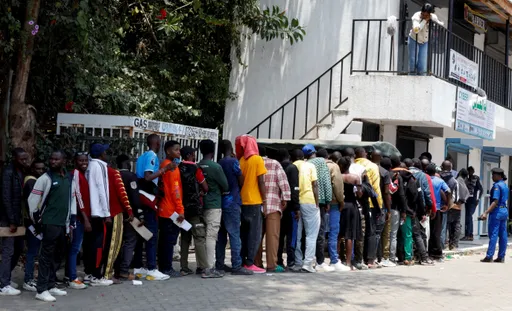
But Uganda's labour market is overwhelmingly informal. According to the Uganda Bureau of Statistics National Labour Force Survey 2021, nearly 88% of employed persons outside agriculture are in informal employment. Youth aged 18–30 face a 17% unemployment rate, and 41% are classified as NEET—not in employment, education or training.
In that context, tax justice cannot be assessed through formal payroll alone. It must be read through the cost of transport, internet, food, energy, and the survival margins of youth-led enterprises.
When a young person pays more for fuel to get to work, more for sugar to feed their family, and more to register a motorcycle to earn a living, the PAYE relief is quickly erased.
Tax package hits the youngest hardest
The Excise Duty (Amendment) Act, 2026 is where the budget hits young Ugandans hardest:
The tax on fuel is now Shs1,750 per litre ($0.48) for petrol and Shs1,430 ($0.39) for diesel, a Shs200 ($0.05) increase on each.
The tax on cement is up to Shs750 ($0.21) per 50kg bag.
The tax on sugar is now Shs200 ($0.05) per kilogramme.
The tax on cooking oil is now Shs400 ($0.11) per litre.
The tax on cooking fat is now Shs500 ($0.14) per litre or kilogramme.
And a motorcycle, often the only path to self-employment for a young person now costs Shs500,000 ($137) to register, up from Shs200,000 ($55).
The government says these measures are about raising revenue and widening the tax base. But for young Ugandans, they are simply a higher cost of living with no guarantee of better services or more jobs.
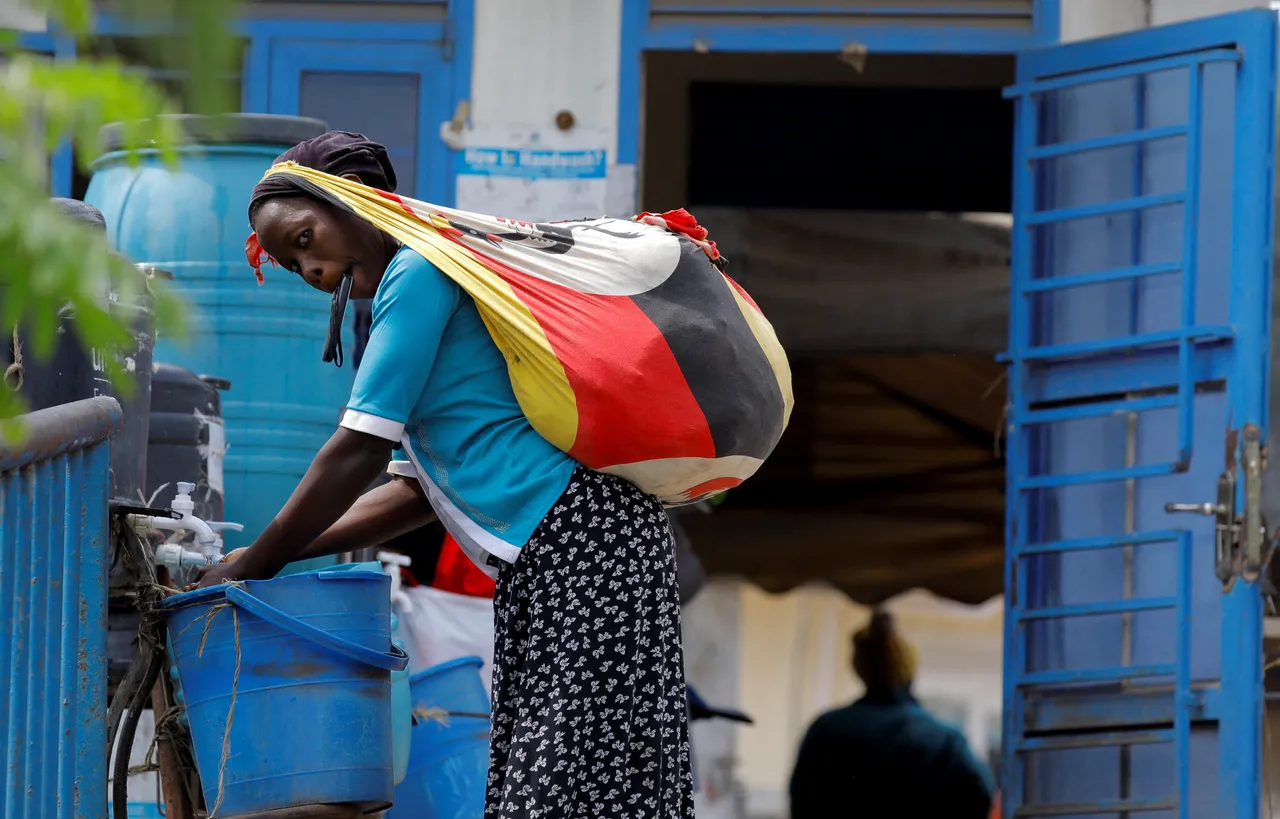
Fuel taxes affect boda-boda riders, delivery workers, market traders, and youth in agriculture. Motorcycle taxes hit young people seeking self-employment. Food taxes squeeze household budgets and the thin margins of youth running roadside eateries.
The VAT registration threshold was raised from Shs150 million ($41,000) to Shs300 million ($82,000), a real relief for some youth-led businesses. But it does not undo the excise duty increases on everything else. The relief on one side is swallowed by the increases everywhere else.

The debt trap
After resources are mobilized, the next question is allocation. Here the central fiscal fact of the FY 2026/27 budget is debt.
Debt servicing alone is projected to consume about Shs33.4 trillion ($9.1 billion), nearly 40% of the entire budget. Interest payments are estimated at Shs12.4 trillion ($3.4 billion), driven mainly by domestic borrowing. The Budget Committee warned that the debt burden "continues to limit funding available for service delivery across key sectors."





The budget is overwhelmingly tilted toward recurrent spending rather than development:
Wages and salaries: Shs9.71 trillion ($2.7 billion)
Non-wage recurrent: Shs33.28 trillion ($9.1 billion)
Development expenditure: Just Shs22.05 trillion ($6.0 billion), barely a quarter of the budget
Even more telling: domestic debt refinancing accounts for Shs13.97 trillion ($3.8 billion), while Shs4.18 trillion ($1.1 billion) is set aside for debt amortisation. That means Shs18.15 trillion ($5.0 billion), more than 20% of the entire budget is consumed by rolling over existing debt before a single shilling is spent on a new road, school, or health centre.
Why credibility matters
The 2024 Auditor General's report raises serious concerns about how public money is used. Uganda's debt stock increased from $12.55 billion in FY 2018/19 to $25.59 billion in FY 2023/24. The government paid commitment fees on undrawn loans, including $3.37 million on the Road Sector Support Project V and $1.55 million on the Busega-Mpigi Expressway. For Busega-Mpigi, costs escalated from Shs547.5 billion ($150 million) to Shs1.35 trillion ($369 million) due to inadequate designs.
Most damningly, the Auditor General found that of 2,803 parliamentary recommendations, only 31% had been fully implemented. That means even where problems are identified and corrective directions issued, the state still struggles to act.
What young people want:
First, the Ministry of Finance should publish a youth tax-incidence analysis before every budget, showing how proposed taxes affect young people in formal and informal work.
Second, the 12% internet-data excise duty should be reconsidered. The GSMA reported that Uganda could connect four million more people to the internet by 2030 with the right reforms, creating nearly two million jobs.
Third, the government should distinguish working assets from luxury taxation. For many youth, motorcycles are income-generating tools. First-registration charges should protect livelihood entry points.
Fourth, the government should stop borrowing for projects that are not implementation-ready. No major debt-financed project should proceed without feasibility studies and a credible implementation plan.
Finally, Auditor General and parliamentary recommendations should be implemented within binding timelines. Only 31 percent of recommendations are fully implemented. That is not good enough.
The Bottom Line
For young Ugandans, the issue is not whether the state should raise revenue. It is whether the state can ask young people to keep paying more through the cost of work, movement, connectivity, and survival when it has not yet shown the discipline needed to justify that burden.
That is the standard the next budget cycle should meet: fairer mobilisation, more honest allocation, and far stronger implementation of what auditors and Parliament have already said.
Note: All dollar conversions are approximate, based on an exchange rate of approximately 1 USD = 3,655 UGX as of June 2026. "Ugx" is the abbreviation for Uganda Shillings, the official currency of Uganda.
The author, Jon Kafuko, is Programmes Manager at the Youth and Tax Justice Network (YTJN). The views expressed are his own.
Disclaimer: The views expressed by the author do not necessarily reflect the opinions, viewpoints and editorial policies of TRT Afrika.