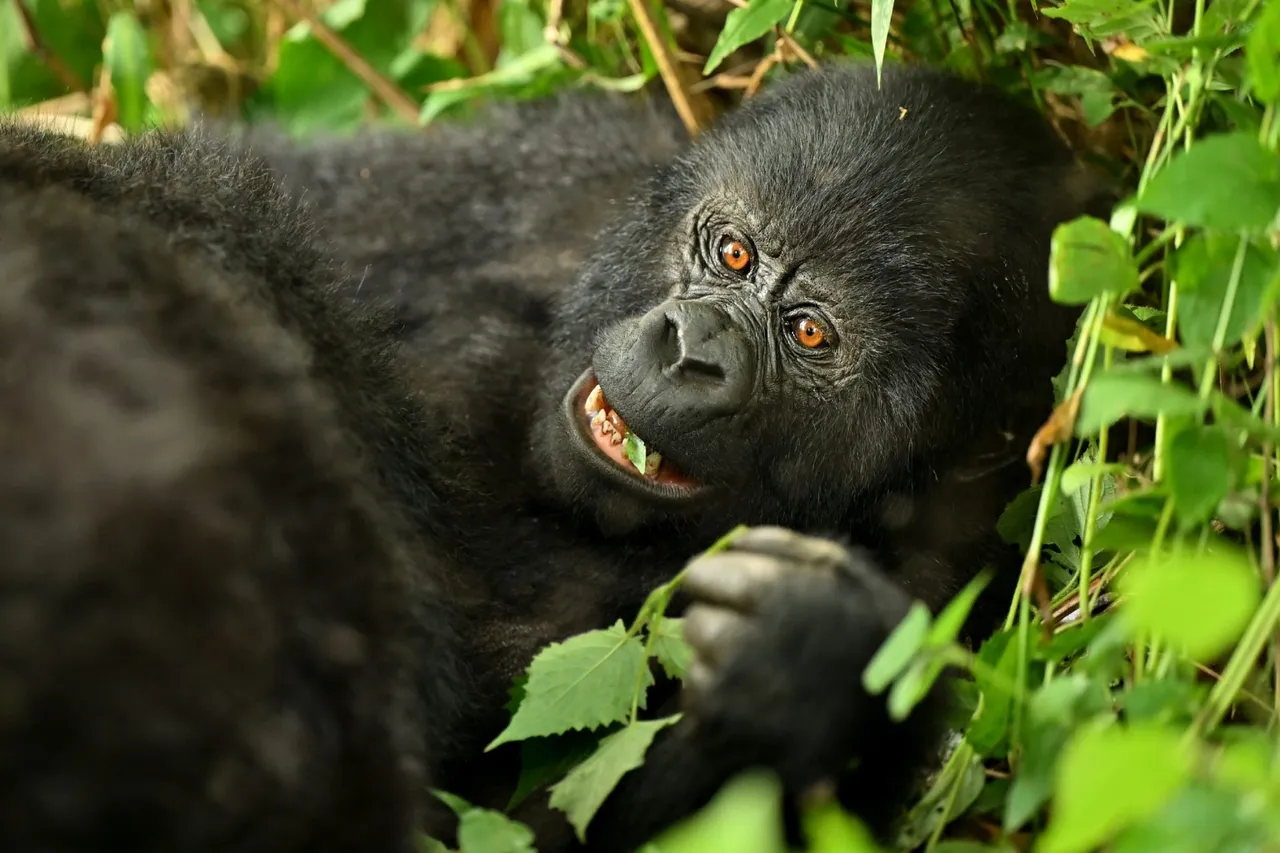
Rangers at Bwindi Impenetrable National Park in Uganda are celebrating the birth of a new mountain gorilla, a moment that conservationists say symbolises both hope and hard-won progress.
“As we celebrate the International Day of Forests, we are glad to announce that our gorilla family is growing. We've got a new baby in Mucunguzi family in Rushaga… making a total of 18 members in this family,” the Uganda Wildlife Authority said.
The newborn belongs to the Mucunguzi group, one of the park’s habituated gorilla families—groups a key milestone in a decades-long conservation effort that once seemed unlikely to succeed.
Gorilla conservation in Uganda is thriving and considered a major global success story. The mountain gorilla population has steadily increased over the past several decades.
Growing numbers
Uganda is home to roughly half of the world’s remaining mountain gorillas, and the Bwindi Impenetrable National Park is recognized as a UNESCO World Heritage Site.

It is one of the most important conservation strongholds on the planet. Here, tourism and conservation are closely intertwined. Visitors pay up to $800 for permits to observe gorillas in their natural habitat, with a portion of the revenue shared directly with surrounding communities. Funds support local development projects, from healthcare to clean water, while also incentivizing conservation.
This model has helped drive a remarkable recovery. The global mountain gorilla population now exceeds 1,000 individuals, a significant increase from the brink of extinction in the 20th century.
In Bwindi alone, hundreds have been recorded in recent censuses. As a result, the International Union for Conservation of Nature has reclassified the species from “critically endangered” to “endangered.”
Note of caution
Yet conservationists caution that this success remains fragile. Growing human populations around protected areas continue to place pressure on gorilla habitats, while disease transmission from humans poses a constant threat to a species that shares much of our genetic makeup.
The theme of the 2026 International Day of Forests—“Forests and economies”—highlights the delicate balance at play. Forests like Bwindi are not only ecological treasures but also economic lifelines, supporting livelihoods while safeguarding biodiversity.
For Uganda, the birth of a single gorilla is both a celebration and a reminder: conservation works, but only with sustained effort.